Learn what is the colour of live wire in the United Kingdom, including old and current UK wiring standards, safety basics, and electrical colour identification rules.
If you’re thinking or confused about the live wire colour in the UK, then the direct answer is brown. Understanding the electrical wire colours is essential for our safety, mainly in the United Kingdom, where wiring standards have changed over time. This is the most common question asked by homeowners, students, DIY and migrants who came in United Kingdom: What is the colour of live wire in the UK? This detailed, informational guide explains everything you need to know about live wire colours in British electrical systems, based strictly on UK regulations and practices.
This article is written mainly for educational purposes and follows UK standards such as BS 7671 IET Wiring Regulations.
Why Wire Colours Matter in the UK?
The colours of the wires are chosen very wisely, not randomly, because each wire colour has a specific meaning and function behind it, which saves the property, people, and electric appliances.
In the United Kingdom, electrical accidents are very common because many people misunderstand the wiring colours. These types of electrical accidents basically happen in the older houses of the UK where the wiring system is very old.
What is the Live Wire?
A live wire is also known as the phase wire in the UK. The main purpose of the live wire is to carry the current from the power source to the appliance or electrical points in the home or commercial areas. The live wire is very dangerous because it carries the live current. Contact with the live wire can cause:
1) High electric shock
2) Serious injury or skin burn
3) Muscle spasms
4) Nerve damage
5) Or even stopping the heart
What Do Brown, Blue and Green/Yellow Wires Mean in the UK?
The easiest way to remember modern UK electrical wire colours is:
-
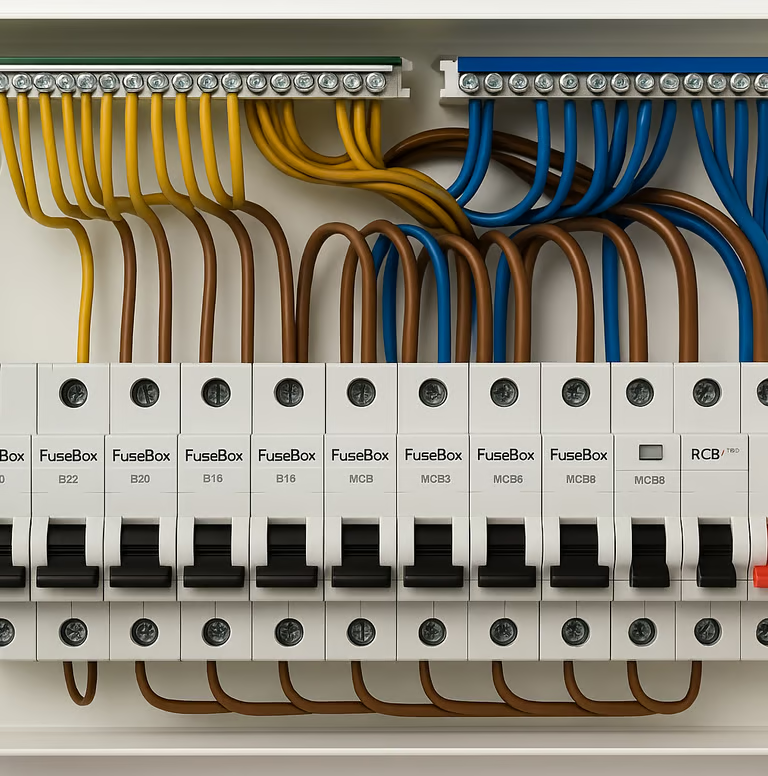
Brown = live
-
Blue = neutral
-
Green and yellow = earth/protective conductor
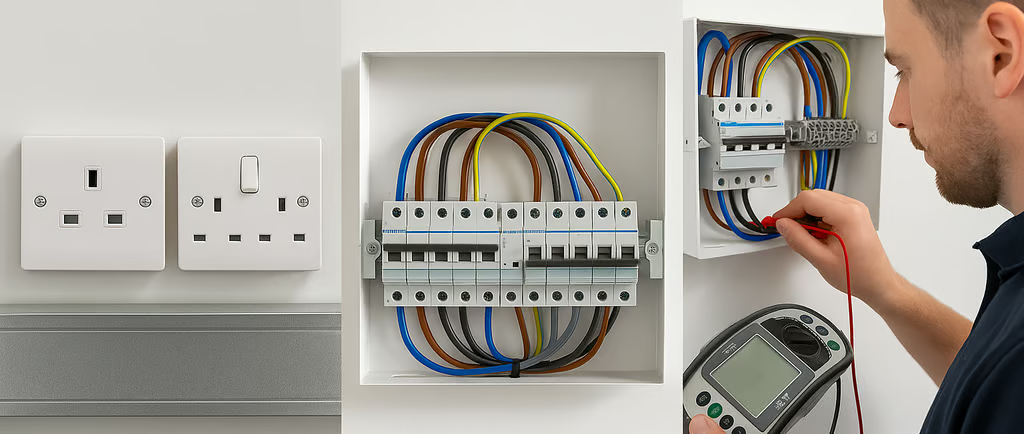
These colours are used to help electricians identify conductors correctly during electrical installation, maintenance and testing.
However, colour identification should never be treated as proof that a conductor is safe to touch. Electrical installations can contain older wiring, alterations, incorrectly connected conductors or unusual circuit arrangements. A qualified electrician should verify the circuit before any conductor is handled.
Is a Brown Wire Always Live?
In modern UK wiring, brown normally identifies a live conductor. It may carry mains voltage and can cause a serious electric shock if touched.
However, there are situations in electrical installations where a brown conductor can perform a particular switched-live function rather than being a continuously live supply. The important point is that the conductor remains part of the live system.
For this reason, never assume that switching off a wall switch makes a brown conductor safe. The circuit must be properly isolated and proved dead before electrical work begins.
What Colour Is the Neutral Wire in the UK?
The modern UK neutral wire colour is blue. The neutral conductor provides the return path for current in many electrical circuits and forms part of the normal circuit arrangement.
Older UK installations may contain black neutral conductors because older colour conventions used red for live and black for neutral.
This means that seeing a black wire in an older property does not automatically mean it is an earth conductor. The age and configuration of the installation must be considered.
What Colour Is the Earth Wire?
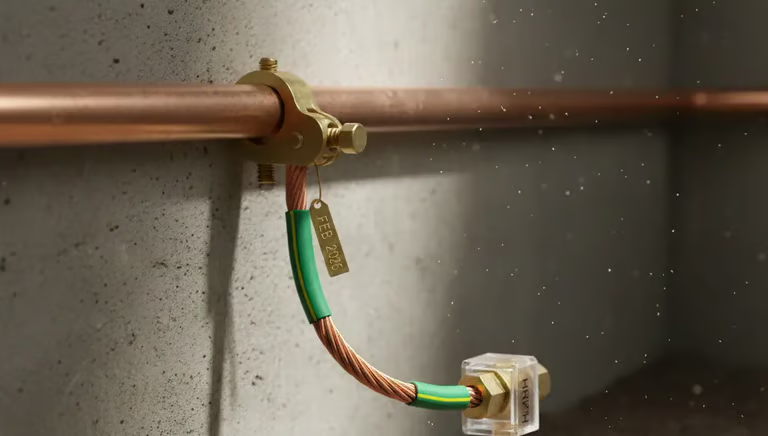
The modern UK earth or protective conductor is identified by green and yellow. Its purpose is to provide a protective path for fault current and help protective devices disconnect the supply when an electrical fault occurs.
The earth conductor is a critical safety component. It should not be confused with neutral, and it should never be removed, disconnected or used as a substitute for another conductor.
What Were the Old UK Wire Colours?
Older UK electrical installations commonly used:
| Function | Older UK colour | Modern UK colour |
|---|---|---|
| Live | Red | Brown |
| Neutral | Black | Blue |
| Earth | Green or green/yellow | Green/yellow |
The change from the older red-and-black system to the harmonised brown-and-blue system means older properties can contain wiring that looks different from a modern installation.
The presence of red or black wiring does not, by itself, prove that an installation is dangerous. The condition, design, testing and suitability of the complete electrical system are more important than colour alone.
Can Old and New Wire Colours Exist in the Same Property?
Yes. A property that has been extended, partially rewired or electrically modified over the years can contain both old and modern conductor colours.
This can create an additional identification risk because someone working on the installation may encounter red and black conductors alongside brown and blue conductors.
Where different wiring colour systems meet, appropriate identification and labelling are important. An electrician may need to inspect, test and identify the conductors before making changes.
What Are the UK Three-Phase Wire Colours?
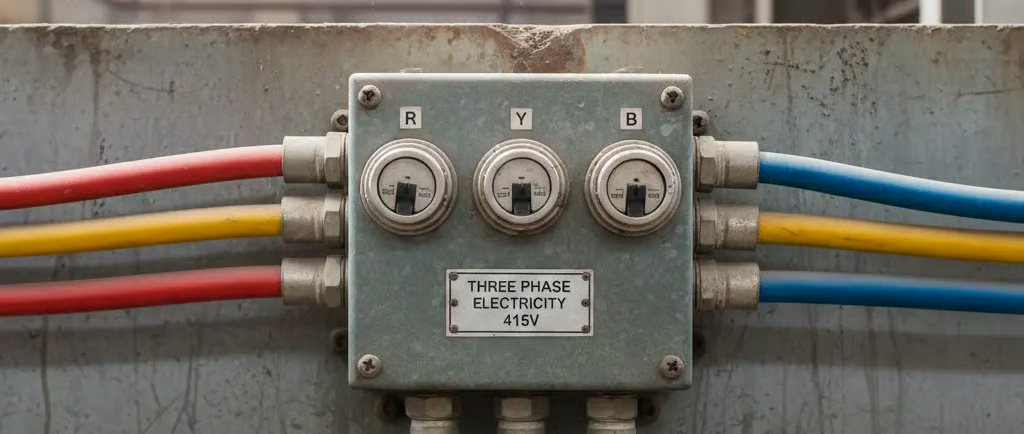
Three-phase installations use multiple live conductors rather than a single live conductor. Modern three-phase systems commonly identify the phases as:
-
L1 = brown
-
L2 = black
-
L3 = grey
-
Neutral = blue
-
Protective conductor = green/yellow
This is particularly important because black does not necessarily mean neutral in a modern three-phase installation. In this arrangement, black can identify one of the live phases.
Therefore, anyone working around commercial, industrial or three-phase electrical equipment should never identify conductors based purely on assumptions about colour.
Why Can Wire Colours Sometimes Be Confusing?
Electrical installations can contain switched conductors, multicore cables, older wiring and circuits that have been modified over time. A conductor may also require identification marking or sleeving where its function is not obvious from its base insulation colour.
This is why professional electrical testing is more reliable than simply looking at the insulation.
For homeowners, the safest rule is simple: wire colour provides identification information, not confirmation that a conductor is dead or safe to touch.
What Should You Do Before Touching a Wire?
Never work on electrical wiring simply because you recognise the colour. Before electrical work, the circuit must be correctly isolated and the absence of voltage verified using appropriate test equipment.
Do not rely solely on:
-
A wall switch being turned off
-
A circuit label
-
A fuse being removed
-
A familiar wire colour
-
A non-contact voltage detector alone
If you are unsure about an electrical conductor, stop and obtain professional assistance.
Local Electrical Solution can help identify wiring arrangements and investigate electrical circuits where homeowners are unsure about old or modern UK wire colours.
Does Wire Colour Prove That Wiring Meets UK Regulations?
No. Correct conductor colours are important, but colour alone does not demonstrate that an electrical installation complies with BS 7671.
An electrician also needs to consider factors such as protective devices, earthing and bonding, cable sizing, insulation, polarity, circuit design and testing results.
This is particularly important in older homes where electrical systems may have been extended or altered several times.
Is Red Wire Still Live in an Old UK House?
It can be. In an older UK installation using the previous colour system, red identifies the live conductor and black identifies the neutral.
However, never assume that every red wire is live or every black wire is neutral without testing. Modifications, incorrect wiring or unusual circuits can make colour assumptions unsafe.
If you are buying an older property or planning renovation work, having the electrical installation professionally inspected can identify outdated wiring, damaged components and other potential safety concerns.
Local Electrical Solution can assess electrical installations where there is uncertainty about old wiring colours, mixed wiring systems or electrical alterations.
Quick UK Wire Colour Guide
For a quick answer:
Modern UK single-phase wiring: Brown = live, blue = neutral, green/yellow = earth.
Older UK wiring: Red = live, black = neutral, green or green/yellow = earth.
Modern three-phase wiring: Brown, black and grey = phases; blue = neutral; green/yellow = protective conductor.
The most important safety point is that you should never rely on colour alone when working on electrical wiring. Proper isolation, testing and identification are essential before electrical work begins.
If you are unsure about the wiring colours in your home, particularly where old and new wiring appear together, Local Electrical Solution can provide professional electrical inspection and advice to help establish the condition and arrangement of the installation.
What Is The Live Wire Colour Exactly In The United Kingdom?
Under the current electrical standards and regulations, the live wire colour in the UK is brown.
Live wire colour (UK, post-2006): Brown
Before 2004, the live wire colour in the United Kingdom was red.
Many UK homes which are build before 2004 still have red colour wire, but the wiring should be changed after 25 or 30 years due to safety purpose od the people, appliance and the property.
Why Did the UK Change Electrical Wire Colours?
The UK changed its electrical wire colour system in 2004 to harmonise with European standards. This decision is made to:
1) Improving safety
2) Making it easier for an electrician to work
3) Colour blindness
4) European Harmonization
Complete UK Electrical Wire Colour Codes Explained
Single-Phase Wiring (Most UK Homes)
Single-phase wiring is mostly used in UK homes.
Live – Brown
Neutral – Blue
Earth – Yellow/green
What Each Wire Does
Live (Brown/Red): Basically supplies power to the circuits
Neutral (Blue/Black): Returns current to the supply
Earth (Green/Yellow): Provides safety by directing fault current away
In the United Kingdom, house wiring must be changed after 25 – 30 years for the safety of the people, property, and home electrical appliances
Interesting Facts About the Live Wire Color in the UK
- In the UK, the live wire is brown. This wire carries electricity from the mains supply to power your lights, sockets, and appliances.
- The brown color was introduced in 2004. Before that, the live wire used to be red in older UK wiring systems.
- The change from red to brown happened to match European wiring standards and make electrical systems more consistent.
- The live wire is the most dangerous wire in a circuit because it carries full voltage. Touching it while the power is on can cause serious electric shock.
- In older homes, you might still see red live wires. This does not automatically mean the wiring is unsafe, but it may show the system is older.
- Brown was chosen because it clearly differs from blue (neutral) and green/yellow (earth), reducing confusion during installations and repairs.
- When replacing plugs or light fittings, correctly identifying the brown live wire is very important for safety.
Conclusion: Key Points About Live Wire Colours in the UK
To summarise, the answer to what is the colour of live wire in the UK depends on the age of the wiring system. Modern UK installations use brown as the live wire, while older systems use red. These colour codes are defined by British standards and play a crucial role in electrical safety.
Understanding UK wire colours helps homeowners and learners recognize potential risks, especially in older properties. Electrical systems should always comply with BS 7671 regulations, and any uncertainty should be handled by qualified professionals.
This knowledge-focused guide aims to improve awareness, reduce confusion, and promote electrical safety across the United Kingdom. We, Local Electrical Solution, covered all the topics about the live wire colour in the UK in this article.
Frequently Asked Questions
What is the colour of the live wire in the UK?
The colour of the live wire in the UK is Brown, pre 2004 is Red, but currently it is brown.
Is a red wire still live in UK houses?
Yes, in properties wired before 2004, red wires are live and remain safe if properly maintained.
Can old and new wire colours be mixed?
They can exist in the same property, but they must be clearly labelled to avoid confusion.
Is brown always a live wire?
In UK domestic wiring, brown indicates a live conductor under the current standard.
Why is the live wire more dangerous than neutral?
Because it carries voltage directly from the power supply and can cause severe electric shock.
Are wire colours the same across the UK?
Yes, wiring colour standards are consistent throughout England, Scotland, Wales, and Northern Ireland.