
Quick answer: An electrical burning smell in your house can indicate overheating wiring, a faulty socket, an overloaded circuit or a damaged appliance.
The smell may appear before you see smoke or flames. If you notice it, stop using the suspected equipment and switch off the electricity only if you can do so safely.
If there is smoke, fire, sparking or immediate danger, leave the property and call 999. Never use water on an electrical fire. Do not investigate inside sockets, appliances or the consumer unit yourself. Arrange an urgent inspection by a fully qualified electrician, even if the smell disappears.
Electrical safety · Home assistance
Smell something burning?
Tell us what you have noticed and send your enquiry directly through WhatsApp.
Request electrical assistance
Share a few details so the team can understand your concern. Required fields are marked with *.
An electrical burning smell does not identify one particular fault. Several electrical components and appliances can produce similar odours when they overheat.
The location, timing and other warning signs can help narrow down the possibilities, but they cannot confirm the cause without a proper inspection.
1. Overheating or Loose Electrical Wiring
Faulty burnt wiring is one possible explanation for a burning smell in a house. Electrical connections can loosen, cables can become damaged, and insulation can deteriorate over time. A poor connection may generate heat, damaging the surrounding insulation or plastic components.
The smell may resemble burning plastic, hot rubber or a sharp chemical odour.
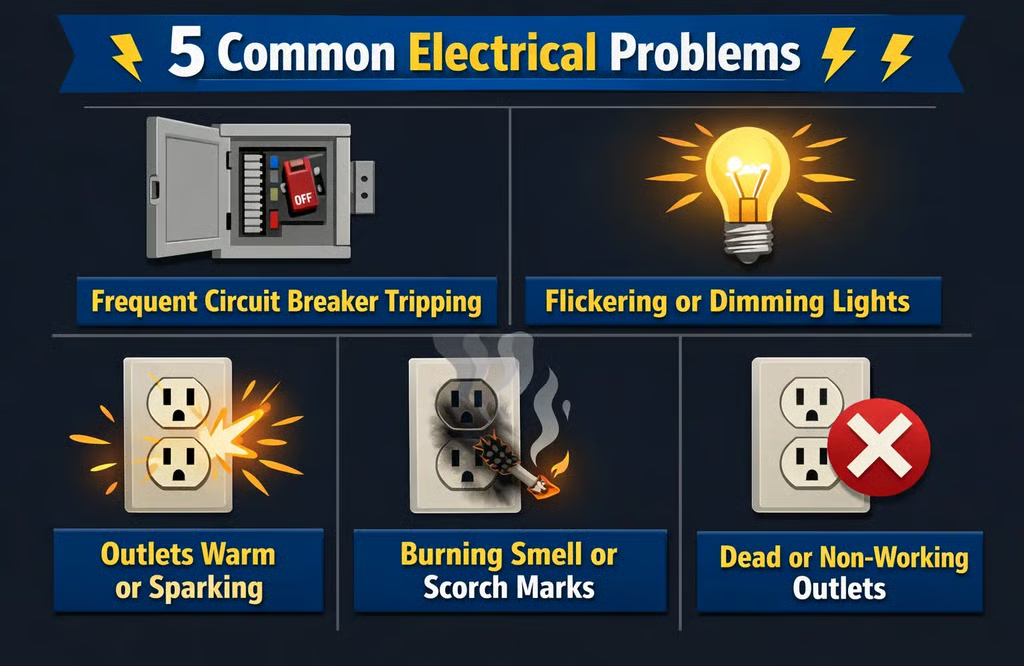
Warning signs include:
A burning smell near a wall, ceiling or socket.
Flickering or unexpectedly dimming lights.
Buzzing or crackling sounds.
Discoloured switches or socket faceplates.
Repeated circuit-breaker trips.
Wiring problems may be hidden behind walls or inside electrical fittings. Do not remove a socket faceplate or attempt to tighten electrical connections yourself.
What should you do? Stop using the affected circuit if it is safe to isolate it, and arrange an urgent inspection by a highly qualified electrician. If there is smoke, fire or immediate danger, evacuate and call 999.
2. A Burning Smell from a Plug Socket
A burning smell from a socket can result from a loose connection, worn contacts, a damaged plug or excessive electrical load. The heat may develop inside the socket before visible marks appear.
Look for warning signs without touching the socket:
Brown or black marks around the faceplate.
Melted or distorted plastic.
Buzzing, crackling or sparking.
A plug that fits unusually loosely.
A smell that returns when equipment is used.
Never assume that a socket is safe because it looks normal. An electrical fault may not produce visible damage straight away.
Stop using the socket and do not plug another device into it to test whether it works. If it is safe, isolate the relevant circuit and have the socket and associated wiring inspected.
3. An Overloaded Circuit or Extension Lead
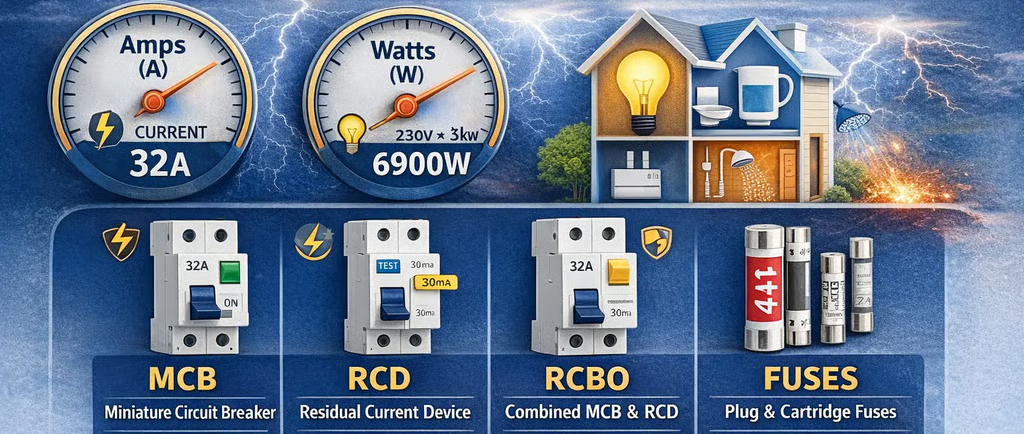
An overloaded circuit occurs when the electrical demand exceeds what the circuit or connected equipment can safely support. Extension leads and adaptors can also overheat when used incorrectly or beyond their ratings.
This may explain why an electrical burning smell appears when several appliances are running together.
For example, a kitchen circuit may be supplying a kettle, microwave and other equipment at the same time. The appliances are not necessarily faulty individually, but the installation or connection may need investigation.
Avoid connecting multiple extension leads together or using an adaptor to supply high-power appliances beyond its rating. A tripping breaker is a warning to investigate, not a nuisance to work around.
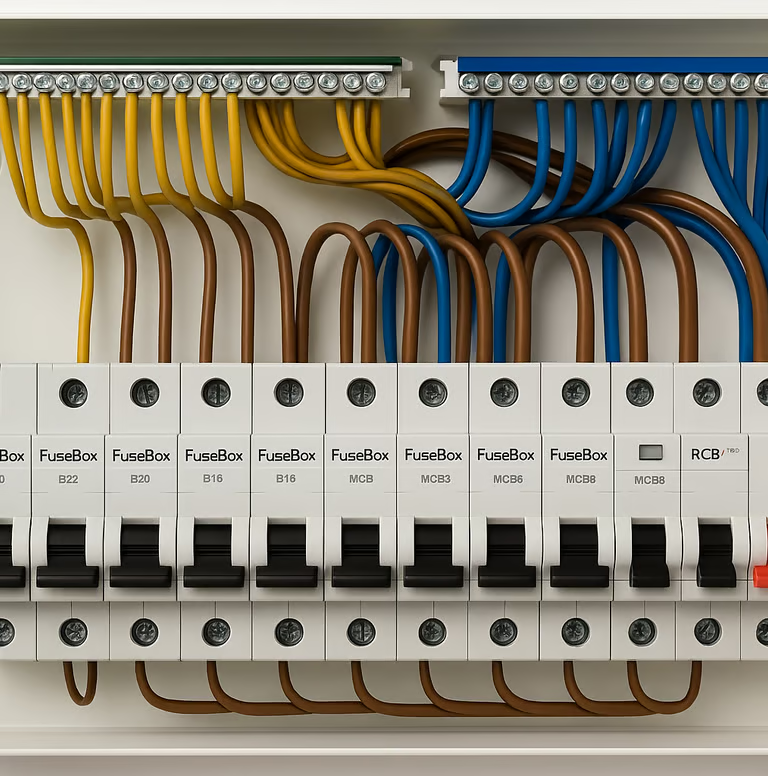
4. A Faulty Consumer Unit or Circuit Breaker
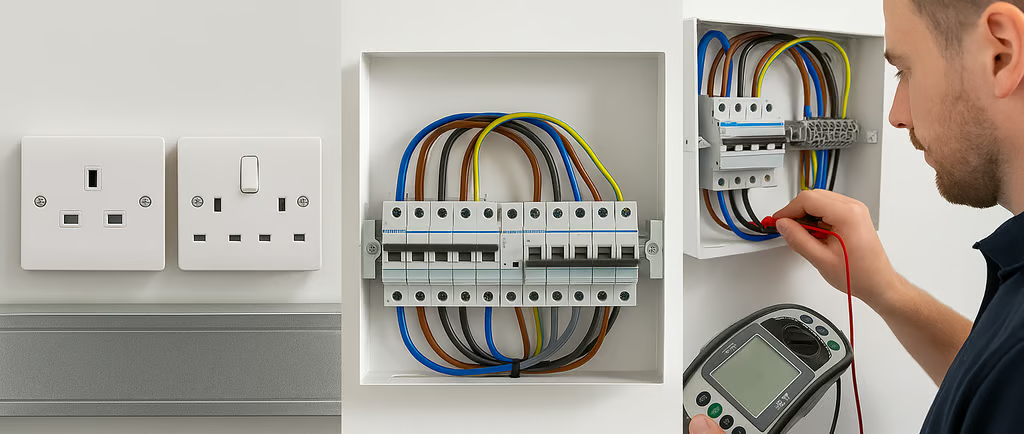
Your consumer unit distributes electricity around your home and contains protective devices designed to disconnect circuits under certain fault conditions.
A burning smell near the consumer unit could indicate a poor connection, overheating component, damaged cable or electrical arcing. Do not remove the cover or touch internal parts.
If the unit is safely accessible and there is no smoke, fire, sparking or dangerous heat, switch off the main switch and leave it off. If approaching it is unsafe, leave the property and call 999.
Repeatedly resetting a breaker is not a safe way to diagnose the fault. An electrician can inspect the installation and establish whether a component or connection needs repair or replacement.
5. Electrical Burning Smell from a Washing Machine
An Electrical Burning Smell from washing machine operation may point to an overheating motor, damaged wiring, a faulty electrical connection or a problem with another internal component.
Notice whether the odour starts during a wash cycle, when the drum spins or when the machine drains. These details may help an appliance technician identify the problem.
Stop the machine if you can do so safely. Do not touch a hot plug, damaged cable or smoking appliance. If there is smoke or an active fire, leave the property and call 999.
Do not run another cycle to see whether the smell returns. Have the appliance checked before using it again.
6. Electrical Burning Smell from a Dishwasher
An Electrical Burning Smell from dishwasher operation can be associated with a faulty heating element, motor, pump, wiring or electrical connection. A damaged plug or socket may also be responsible.
The smell may become noticeable during a heating or drying stage, but timing alone cannot establish which component is faulty.
If the smell appears during a cycle:
Stop using the dishwasher if it is safe to do so.
Do not touch wet electrical connections or a hot plug.
Isolate its power supply only if you can reach the switch safely.
Do not restart the appliance until the cause has been investigated.
If the smell comes from the wall socket rather than the dishwasher itself, a qualified electrician should check the electrical supply as well as the appliance connection.
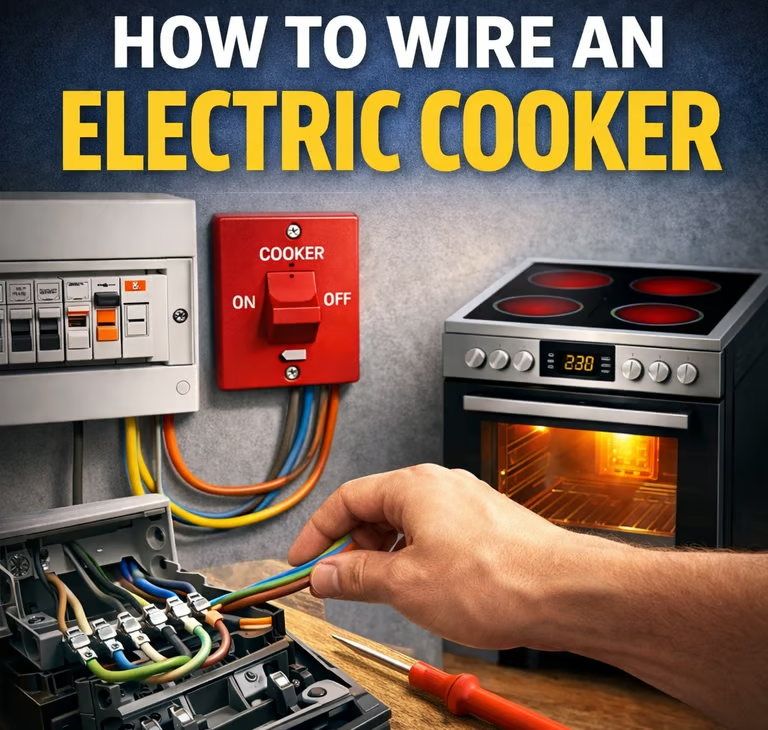
7. Electrical Burning Smell from an Oven or Microwave
An Electrical Burning Smell from oven operation may have several explanations. Food residue can burn on hot surfaces, while damaged wiring, a faulty heating element or an overheating connection may produce a more concerning smell.
An Electrical Burning Smell from microwave operation can similarly result from food debris, internal component failure or electrical damage.
The key distinction is that not every cooking-related smell indicates an electrical fault, but a sharp plastic-like odour, smoke, sparking or damage around a plug should never be dismissed.
Turn the appliance off if safe. Do not remove its casing, particularly on a microwave, which can contain dangerous high-voltage components even after it has been unplugged. Arrange professional assessment if the smell appears electrical, persists or returns.
8. An Electrical Burning Smell in the Kitchen
The kitchen contains several high-power appliances, sockets, lighting circuits and connections. This makes it important to identify the location of a burning smell without touching potentially damaged equipment.
An Electrical Burning Smell in kitchen areas may be linked to:
A kettle or toaster with an electrical fault.
A dishwasher or washing machine.
An oven, hob or microwave.
An overheated socket or extension lead.
Wiring or connections inside a wall or cupboard.
Do not open appliances or move heavy equipment to inspect hidden connections. If the smell is strong, persistent or accompanied by smoke or sparking, leave the property and call 999.
If there is no immediate fire danger but the source remains uncertain, arrange an urgent electrical inspection rather than continuing to use the kitchen equipment.
9. Electrical Burning Smell Outside Your House
An Electrical Burning Smell outside your property may originate from outdoor lighting, an exterior socket, a garden power supply, an outbuilding, an electric vehicle charging point or nearby electrical infrastructure.
Possible causes include water entering damaged equipment, deteriorated cable insulation, a faulty connection or an overheating electrical component.
Do not touch wet electrical equipment, exposed wires, a damaged charging cable or a fallen power line. Keep other people away from the affected area.
If the smell comes from overhead or underground electricity equipment, a meter cabinet or a suspected supply fault, contact the relevant electricity network operator. If there is smoke, fire, sparking or immediate danger, move away and call 999.
Common Electrical Burning Smells and Possible Causes
Where you notice the smell | Possible cause | Recommended response |
|---|---|---|
Plug socket | Loose connection or worn contacts | Stop using it; arrange an urgent inspection. |
Consumer unit | Overheating component or connection | Isolate only if safe; never remove the cover. |
Washing machine | Motor, wiring or connection fault | Stop the cycle; do not restart before inspection. |
Dishwasher | Heating, pump or electrical fault | Stop using it and arrange professional checks. |
Oven or microwave | Burnt food, component fault or damaged wiring | Switch off if safe; investigate persistent or electrical odours professionally. |
Outside socket or garden lighting | Water ingress or damaged equipment | Keep clear and arrange safe isolation and inspection. |
These are possible causes, not definitive diagnoses. A smell alone cannot identify the exact fault.
How to Tell Whether a Burning Smell Could Be an Electrical Fire
A burning smell may be the first noticeable sign of overheating. Other symptoms can increase concern, but the absence of these symptoms does not prove that the installation is safe.
Warning signs that need urgent attention
A sharp smell resembling melting plastic or burning insulation.
A socket, switch or electrical fitting showing scorch marks.
Crackling, buzzing or unexpected sparking.
A burning smell that grows stronger or returns repeatedly.
Flickering lights alongside an unusual odour.
Smoke, flames or visible damage around electrical equipment.
Do not wait for several warning signs to appear. If you suspect an active electrical fire, leave the property and call 999.
Electrical Warning Signs and What They Mean
Warning sign | What it may indicate | What to do |
|---|---|---|
Burning plastic smell | Overheating insulation or components | Stop using the suspected equipment and arrange inspection. |
Fishy or chemical smell near a socket | Possible overheating electrical materials | Treat it seriously; do not touch or open the socket. |
Buzzing or crackling | Loose connection, arcing or component fault | Keep clear and seek urgent professional help. |
Repeated breaker trips | Overload or electrical fault | Do not repeatedly reset the breaker. |
Smoke or visible flames | Possible active fire | Evacuate and call 999. |
Burning smell with no visible source | Hidden electrical fault or another source | If the smell is persistent or unexplained, seek urgent help. |
Why Do I Keep Smelling Electrical Burning?
If you keep noticing an electrical burning smell, even after switching off an appliance, there are several possible explanations.
First, the source may be hidden. A faulty connection, damaged cable or overheating component inside a wall or ceiling can produce an odour without visible smoke.
Second, the smell may be coming from another appliance or from a neighbouring area. Air movement through ventilation systems, gaps and corridors can make the source difficult to locate.
Third, the odour may not be electrical at all. Heating equipment, cooking residue, a mechanical fault or other environmental sources can create similar smells.
Finally, if you can smell burning when nobody else can and no environmental source can be found, a medical explanation is also possible. A distorted or phantom smell is sometimes called phantosmia.
What to do: If there is any possibility of an electrical fault, deal with the safety risk first.
Do not repeatedly switch circuits or appliances on to reproduce the smell. If the smell persists with no identifiable environmental source, or occurs alongside other symptoms, seek medical advice. Sudden neurological symptoms such as facial weakness, difficulty speaking or sudden confusion require emergency medical assistance.
Is it normal to smell electrical burning when there is nothing around?
No unexplained burning smell should automatically be considered normal. However, it does not always mean there is an electrical fire. The source could be hidden, elsewhere in the property or unrelated to electricity. If you suspect an electrical hazard, leave an unsafe area and seek help. If no environmental source can be identified, a healthcare professional can assess possible causes of phantom smells.
What to Do When You Smell Electrical Burning
Situation | Immediate action | Who to contact |
|---|---|---|
Smoke, flames or active sparking | Leave the property and call 999 from a safe location. | Fire and rescue service |
Consumer unit appears to be burning | Do not approach or attempt to isolate it. Evacuate if unsafe. | 999; then an electrician when safe |
Burning smell from a socket without visible fire | Stop using it; isolate the circuit if safe. | Qualified electrician urgently |
Smell coming from a faulty appliance | Stop using it and isolate power only if safe. | Appliance technician and, if needed, an electrician |
Smell outside near electricity equipment | Keep clear and warn others to stay away. | Electricity network operator or 999 if immediate danger |
Persistent smell with no identifiable source | Treat a possible electrical hazard seriously and seek assessment. | Electrician; healthcare professional if no environmental cause is found |
Can Electrical Burning Smell Harm You?
Yes, potentially. The level of risk depends on what is producing the odour and whether the source is overheating, smouldering or burning.
Burning plastic, cable insulation and other electrical materials can release irritating or harmful fumes. Exposure may cause eye or throat irritation, coughing, headaches or breathing difficulties. A developing electrical fire can also create smoke that is dangerous to inhale.
There are two separate concerns:
The fumes: Smoke and combustion products can harm your health.
The underlying fault: Overheating wiring or components can ignite nearby materials and cause a fire.
Do not remain in a room to investigate a strong or unexplained burning smell. Move to fresh air and seek medical advice if you develop symptoms. Call emergency services if breathing difficulties are severe or there is an active fire.
How Long Does Electrical Burning Smell Last?
There is no reliable time limit that tells you whether an electrical burning smell is safe.
A smell caused by a small amount of burnt residue may fade after the source has been removed. An electrical fault, however, can stop producing a noticeable odour when equipment cools or the electricity is switched off, even though damaged components remain.
Do not use the duration of the smell as a safety test. A smell that disappears is not proof that the fault has been repaired.
If the smell is persistent, returns repeatedly or has no clear explanation, stop using the suspected equipment and arrange a professional inspection. If smoke, flames or immediate danger are present, evacuate and call 999.
How to Respond to Different Burning Smells
Type of smell | Possible explanation | Important next step |
|---|---|---|
Burning plastic | Heated or damaged plastic components or insulation | Treat an electrical source as a possibility; investigate safely. |
Burning rubber | Overheating cable insulation, motor parts or another rubber component | Stop using suspected equipment and seek professional assessment. |
Fishy electrical smell | Possible overheating electrical materials | Do not assume it is harmless; arrange inspection. |
Burning food | Residue or food contacting a hot surface | Switch off the cooking appliance if safe and check for continuing danger. |
Burning smell with no smoke | Hidden overheating or a non-electrical source | Do not wait for smoke before seeking help if an electrical fault is suspected. |
Burning smell with smoke | Possible active fire or smouldering material | Evacuate and call 999. |
How to Get Rid of an Electrical Burning Smell Safely
The right way to remove the smell is to identify and address its source. Covering it with air freshener or opening a window will not correct an electrical fault.
Follow these steps:
Assess the immediate danger. If you see smoke, flames or sparking, leave the property and call 999.
Stop using the suspected appliance or socket. Do not touch hot, wet or damaged electrical equipment.
Isolate the electricity only if safe. Do not approach a smoking, sparking or dangerously hot consumer unit.
Arrange a professional inspection. A qualified electrician can examine wiring, sockets, circuits and the consumer unit as appropriate.
Do not restore power simply to test the problem. Leave affected equipment or circuits out of use until the fault has been assessed.
Ventilate only when it is safe to do so. Never delay evacuation or re-enter a dangerous property to open windows.
If you cannot find the source, do not dismantle electrical fittings or appliances. A qualified professional can investigate the installation and help determine whether the problem is electrical or originates elsewhere.
How to Get Rid of Electrical Fire Smell After a Fault Has Been Repaired
Once the source has been repaired and the property has been confirmed safe to re-enter, you can deal with any remaining odour.
Ventilate the affected area when safe.
Wash washable fabrics and clean suitable surfaces according to their care instructions.
Replace smoke-damaged or heat-damaged items when necessary.
Follow professional advice about cleaning soot or residue from electrical equipment.
Do not reuse equipment that has been heat-damaged until it has been assessed.
If the smell returns after cleaning, investigate the possibility of a remaining fault or another source rather than continuing to mask the odour.
When Should You Call an Electrician or the Fire Department?
The decision depends on whether there is an immediate threat to life or a suspected electrical fault that needs professional investigation.
Call 999 immediately if there is an electrical fire, smoke, visible flames, active sparking or another immediate danger. Leave the property and stay outside. Do not attempt to extinguish an electrical fire yourself.
Contact a qualified electrician urgently if you notice a burning smell near a socket, switch, consumer unit or appliance but there is no active fire. Do not continue using the affected equipment while waiting for professional help.
For homeowners in areas served by Local Electrical Solution, professional electrical assistance can help identify faults, assess damaged fittings and determine what repairs are required. An electrician should investigate the underlying cause rather than simply replace a visibly damaged component.
Electrical Burning Smell — Emergency or Electrician?
Situation | Appropriate response | Priority |
|---|---|---|
Visible fire or smoke | Evacuate and call 999 | Emergency |
Active sparking or dangerous overheating | Keep clear; evacuate if necessary and call 999 if immediate danger exists | Immediate |
Burning smell from a socket without visible fire | Stop using the socket and request urgent electrical assessment | Urgent |
Consumer unit smells burnt but appears stable | Do not open it; isolate only if safe and arrange urgent inspection | Urgent |
Appliance smells burnt but no smoke is visible | Stop using it and arrange professional assessment | Prompt |
Unexplained smell that keeps returning | Investigate possible electrical and non-electrical sources | Prompt |
Phantom burning smell with no environmental source | Seek medical advice after addressing any possible safety hazard | Medical assessment |
How Local Electrical Solution Can Help
A burning smell should never be treated as a problem that can be solved simply by masking the odour. The important step is to identify the source and make the installation safe.
Local Electrical Solution provides electrical services for domestic customers. Depending on the fault, a qualified electrician may need to inspect sockets, switches, wiring, circuits or the consumer unit to determine the cause.
If the smell is coming from an appliance, an appliance specialist may also be needed. Where an electrical supply fault is suspected, the relevant electricity network operator may need to investigate.
If you are unsure whether the smell is electrical, describe when it occurs, which room it affects and whether you have noticed other warning signs. This information may help the professional plan an appropriate inspection.
Frequently Asked Questions
1. What smell can indicate an electrical fire?
An electrical fire may produce a sharp smell resembling burning plastic, hot rubber, melting insulation or a strong chemical odour. Some faulty connections also create a fishy smell. However, no single smell confirms an electrical fire. If you notice an unexplained burning odour near electrical equipment, stop using it and seek urgent professional help. Call 999 if smoke, flames or immediate danger are present.
2. Is electrical burning smell toxic to humans?
It can be harmful, depending on the materials involved and the level of exposure. Burning electrical insulation, plastic and other components may release irritating or hazardous fumes. These can cause coughing, eye irritation, headaches or breathing difficulties. Leave an area with strong fumes and get fresh air. Seek medical advice if symptoms develop, and call emergency services for severe breathing difficulties or an active fire.
3. Should I call the fire department if I smell electrical burning?
Call 999 if you see smoke, flames, active sparking or believe a fire is developing. Leave the property and do not return until emergency services say it is safe. If there is a burning smell but no immediate sign of fire, stop using the suspected equipment and seek urgent electrical assistance. If you cannot safely assess the situation, move away and prioritise personal safety.
4. Why do I keep smelling electrical burning?
Recurring burning smells may come from a hidden electrical fault, a malfunctioning appliance, overheating equipment or a smell travelling from another area. Sometimes the source is not electrical. If you can smell burning but nobody can locate an environmental source, a medical condition such as phantosmia may be responsible. Address possible fire hazards first, then consult a healthcare professional if the unexplained smell continues.
5. Is it normal to smell electrical burning when there is nothing around?
No unexplained burning smell should automatically be considered normal. The source may be hidden behind a fitting, inside an appliance or outside your property. Alternatively, the smell may have a non-electrical or medical cause. Do not dismantle equipment or repeatedly switch circuits on to investigate. If you suspect an electrical fault, arrange an inspection. Seek medical advice if no environmental source can be identified.
6. How long does electrical burning smell last?
There is no fixed duration that determines whether an electrical burning smell is safe. An odour from burnt residue may fade, while the smell from an electrical fault can disappear when a component cools. The underlying damage may remain. Never rely on the smell disappearing as proof that the danger has passed. Stop using the suspected equipment and arrange professional assessment before returning it to service.
7. Can an electrical burning smell happen without smoke?
Yes. Overheating connections, damaged insulation and faulty electrical components may produce an odour before visible smoke appears. Some faults remain hidden inside walls, sockets or appliances. The absence of smoke does not establish that the situation is safe. If the smell is persistent, strong or associated with buzzing, scorching or flickering lights, stop using the affected equipment and arrange an urgent electrical inspection.
8. How do I get rid of electrical burning smell in my house?
First, identify and safely address the source rather than covering the smell with fragrance. Stop using the suspected equipment, isolate the electricity only if safe and arrange professional inspection. If smoke or fire is present, evacuate and call 999. Once the fault has been repaired and the property is safe, ventilate the area and clean suitable surfaces. Never reuse heat-damaged electrical equipment without assessment.
9. Can a burning smell from a washing machine or dishwasher indicate an electrical fault?
Yes. A burning smell from either appliance can indicate damaged wiring, an overheating motor, a faulty connection or another component problem. Food residue, debris or mechanical friction may also produce unusual odours, so the smell alone cannot confirm an electrical fault. Stop using the appliance if you suspect a problem. Do not restart it to test the cause; arrange an appropriate professional inspection.
10. What should I do if I smell electrical burning outside my house?
Keep away from outdoor sockets, damaged cables, electrical charging equipment and any fallen wires. Do not touch wet or damaged equipment. If you suspect a problem with the electricity supply network, contact the relevant network operator. If there is smoke, fire, active sparking or immediate danger, move to a safe location and call 999. Have private outdoor electrical equipment inspected before using it again.
Final Safety Checklist
If you smell electrical burning in your house, remember these five steps:
If the cause is unclear, do not assume that the smell is harmless simply because it disappears. Local Electrical Solution can be contacted through its official website for information about electrical services and arranging appropriate assistance.
The safest response to an unexplained electrical burning smell is to take the warning seriously, avoid exposing yourself to danger and get the underlying problem investigated.