
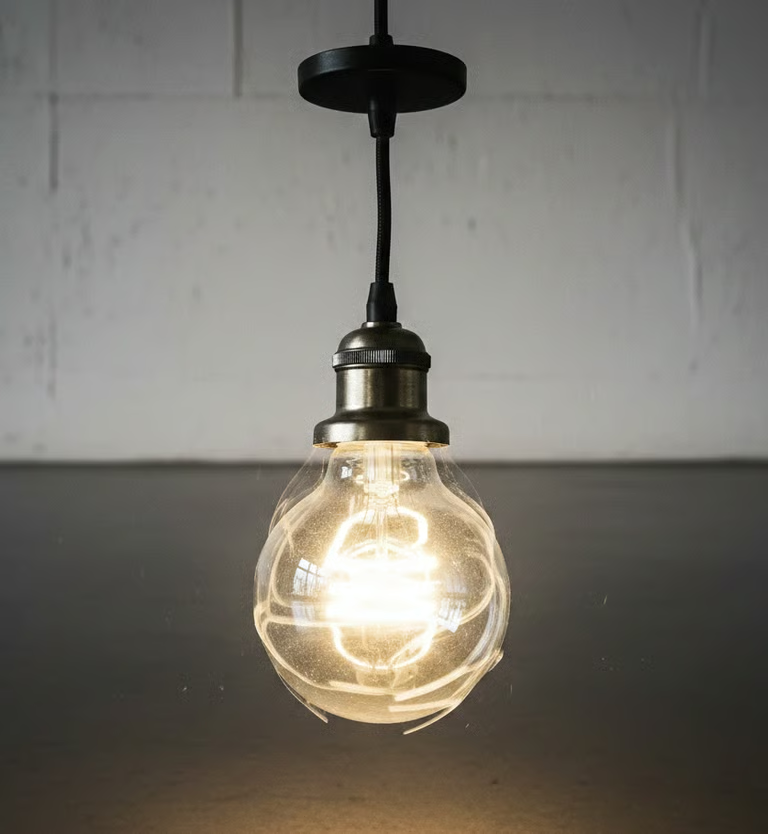
Is a flickering light bulb dangerous? Learn the common causes, safety risks, and when to call a qualified electrician to prevent electrical faults and fire hazards in your home.
You switch on the light, and it starts flickering. At first, it feels harmless—just annoying. But after a while, the question pops up: Is a flickering light bulb dangerous?
The short answer is yes, it can be. Sometimes it’s a simple issue. Other times, it’s a warning sign of a serious electrical problem hiding behind your walls. Understanding the cause helps you protect your home, your family, and your property.
Let’s break it down in a clear, simple, and practical way
Why Do Light Bulbs Flicker?
Light flickering is more common than most people think. Homes experience it daily, especially in older properties. While one quick flicker may not be alarming, frequent or continuous flickering should never be ignored.
Loose Bulb or Poor Connection
The most common cause is a bulb that isn’t fitted properly. When the bulb doesn’t sit securely in the socket, it struggles to maintain a steady electrical flow. This leads to intermittent lighting that comes and goes.
Worn Light Fittings
Over time, light fixtures wear out. Internal components loosen, and metal contacts degrade. This often causes loose wiring inside the fitting, which can lead to flickering.
Faulty Electrical Wiring
If flickering happens across multiple rooms, the issue could be deeper. Faulty electrical wiring inside walls is a serious concern and needs professional inspection.
What Does the Type of Flickering Tell You?
Not all flickering looks the same, and the pattern can sometimes provide a useful clue about the underlying problem.
If a light flickers occasionally when you switch on a kettle, washing machine, tumble dryer or another high-power appliance, there may be a temporary voltage drop. Occasional, very brief changes may not indicate a serious fault, but repeated or worsening flickering should be investigated.
If the light constantly pulses, dims and brightens, or flickers even when no appliances are running, the problem could involve the bulb, fitting, dimmer, wiring or power supply. Where several lights behave in the same way, the issue is less likely to be an individual bulb.
What If Several Lights Flicker at Once?
Flickering across different rooms is more important to investigate than a single flickering bulb. It could indicate a problem affecting part of your electrical installation, such as a loose connection, consumer unit issue, voltage instability or a supply-side fault.
Homeowners should not attempt to open the consumer unit or investigate electrical connections themselves. These components can contain live electrical parts even when a particular light switch is turned off.
If several lights suddenly become unusually bright or dim, switch off sensitive electrical equipment where it is safe to do so and contact a qualified electrician. If you suspect the problem is coming from the external electricity supply, your electrician can help determine whether the network operator also needs to be contacted.
Do Smart Bulbs Flicker?
Smart bulbs can flicker for reasons that are different from traditional lamps. Compatibility with dimmer switches, unstable power, unsuitable fittings or problems with the bulb’s internal electronics can all contribute.
If a smart bulb flickers, first check that it is installed in a suitable fitting and that the manufacturer’s requirements are being followed. If the problem continues after changing the bulb, professional testing may be worthwhile.
What Should an Electrician Check?
When flickering cannot be resolved by replacing a bulb or checking a compatible dimmer, an electrician should investigate the wider electrical installation rather than simply replacing the lamp.
Depending on the symptoms, they may inspect the light fitting, switches, connections, circuit protection, consumer unit and relevant wiring. They can also carry out appropriate electrical tests to identify voltage or circuit problems.
This approach is important because flickering is a symptom rather than a diagnosis. Finding the underlying fault helps prevent the same problem from returning and can identify electrical safety issues before they develop into a more serious failure.
Is a Flickering Light Bulb Dangerous?
Yes, it can be dangerous depending on the cause.
When Flickering Is Harmless
Sometimes, flickering is minor. A loose bulb or incompatible dimmer switch usually doesn’t pose an immediate risk. However, even small issues should still be fixed quickly.
When Flickering Signals Danger
Flickering becomes dangerous when it links to voltage fluctuations, damaged wiring, or overloaded circuits. These problems increase the risk of overheating and electrical failure.
Ignoring flickering lights may lead to electrical fire hazards, which can cause serious damage or injury.
Common Electrical Problems Behind Flickering Lights
Overloaded Circuits
Modern homes use more appliances than older wiring systems were designed for. An overloaded circuit struggles to handle the demand, causing lights to flicker when appliances turn on.
Circuit Breaker Issues
A failing breaker may not regulate power correctly. This causes inconsistent electrical flow and visible flickering throughout your property.
Aging Electrical System
Older homes often lack modern safety upgrades. Aging electrical systems are more prone to flickering, overheating, and breakdowns.
LED Lights Flickering – Should You Worry?
LED bulbs flicker for different reasons than traditional bulbs.
Incompatible Dimmer Switches
Many older dimmers don’t support LED technology. This mismatch leads to LED light flickering, buzzing sounds, or flashing.
Low-Quality LED Bulbs
Cheap bulbs often lack proper internal drivers. These drivers regulate power, and without them, flickering becomes common.
If flickering lights come with unusual smells or noises, stop using them immediately. These signs point toward electrical safety issues that need urgent inspection.
How to Fix Flickering Light Bulbs Safely
It usually starts on a quiet evening. You turn on the living room light, and it flickers—just for a second. You ignore it. The next day, it happens again. Slowly, that small flicker becomes a nagging worry. Is it safe? Or is something more serious going on behind the walls?
The good news is that not every flickering light means danger. Some issues are simple and easy to fix. Others need professional help before they turn into expensive or risky problems.
Let’s walk through both, step by step.
Simple DIY Fixes
Sometimes, the solution really is straightforward.
Tighten the Bulb Securely
A loose bulb is one of the most common reasons lights flicker. Over time, vibrations from doors, footsteps, or even nearby traffic can loosen it. Gently tightening the bulb restores a proper connection and often stops the flicker instantly. This simple fix works well when dealing with bold flickering light bulb loose connection issues.
Replace Old or Damaged Bulbs
Bulbs don’t last forever. As they age, internal components wear down, leading to inconsistent lighting. If your bulb looks darkened or has been in use for years, replace it. Many homeowners notice improvement immediately when addressing bold flickering lights caused by faulty bulb problems.
Avoid Mixing Incompatible Dimmers and LEDs
Not all dimmer switches work with LED bulbs. Older dimmers often struggle to regulate modern LEDs, causing flashing or pulsing. Switching to LED-compatible dimmers can solve bold LED light flickering dimmer switch problem quickly and safely.
These fixes work well for basic issues and are safe for most homeowners to try.
When to Call an Electrician
Sometimes, the flickering doesn’t stop. That’s when the story changes.
Imagine tightening the bulb, replacing it, and still watching the light pulse every time the kettle turns on. This usually points to deeper electrical concerns, such as bold flickering lights due to wiring issues or bold voltage fluctuation causing lights to flicker.
If flickering happens in multiple rooms, it may indicate bold overloaded circuit flickering lights or aging wiring that can’t handle modern electrical demand. These issues increase heat inside cables and fittings, raising the risk of failure or fire.
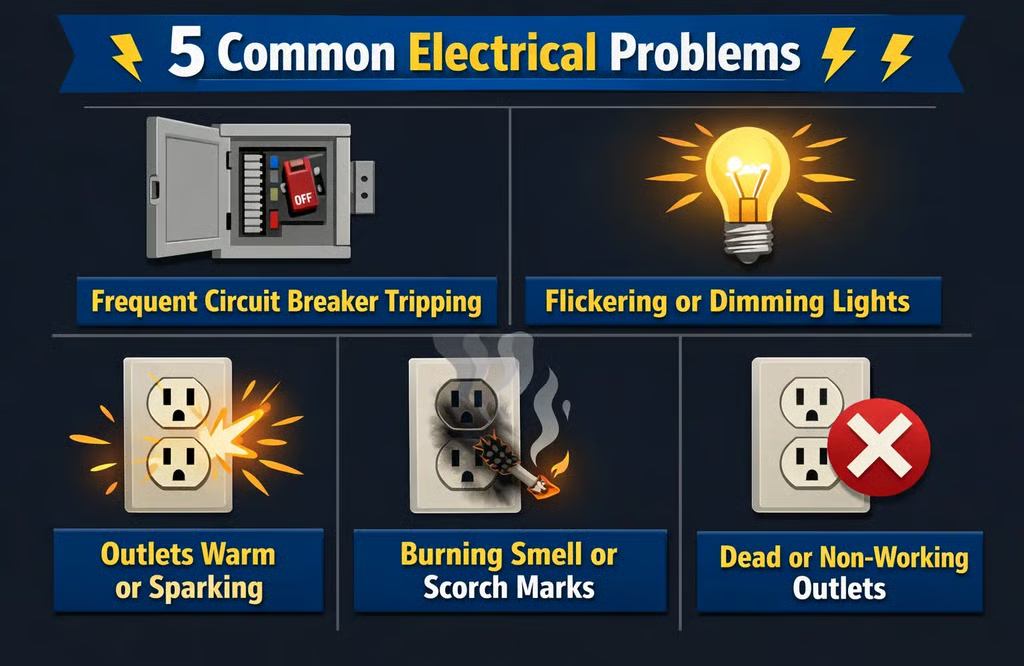
You should also call an electrician if you notice buzzing sounds, burning smells, or frequent breaker trips. These are clear warning signs linked to bold electrical safety risk flickering lights.
Professional electricians don’t just fix the symptom—they find the cause. Through testing and inspection, they ensure your home meets safety standards and prevent future problems. Services like Local Electrical Solution specialize in diagnosing these issues early, before they turn dangerous.
In older properties, electricians often discover bold flickering lights in old house wiring, where outdated systems struggle with today’s power usage. Upgrading these systems improves safety, efficiency, and peace of mind.
Frequently asked questions for flickering light bulb
1. Is a flickering light bulb always dangerous?
Not always, but it should never be ignored. Sometimes flickering happens due to a loose bulb or an aging light fitting, which is easy to fix. However, persistent flickering can signal wiring faults, overloaded circuits, or voltage issues. These problems may increase fire risk if left untreated. If flickering continues after basic fixes, it’s best to have a qualified electrician inspect the electrical system for safety and compliance.
2. Why do my lights flicker when appliances turn on?
Lights often flicker when large appliances like kettles or washing machines start because they draw a sudden surge of power. This can cause a temporary voltage drop. If it happens frequently, it may indicate overloaded circuits or insufficient wiring capacity. Older homes experience this more often. While occasional flickering isn’t always dangerous, repeated occurrences suggest your electrical system may need professional assessment or upgrading.
3. Can flickering lights cause an electrical fire?
Yes, flickering lights can lead to fire risks if caused by loose wiring, damaged connections, or overheating components. These faults create resistance, which generates heat over time. If left unresolved, this heat can ignite surrounding materials. Warning signs include buzzing sounds, burning smells, or warm light fittings. If you notice these alongside flickering, switch off the power and contact a professional electrician immediately.
4. Are flickering LED lights a serious problem?
Flickering LED lights are common but not always serious. They often occur due to incompatible dimmer switches, poor-quality bulbs, or unstable voltage. However, constant LED flickering can also indicate wiring or circuit issues. LEDs are sensitive to power changes, so they act as early warning signs. If replacing the bulb or dimmer doesn’t help, it’s wise to have an electrician investigate further.
5. Why do lights flicker in multiple rooms?
When lights flicker in more than one room, it usually points to a larger electrical issue. Common causes include loose connections in the consumer unit, supply problems, or aging wiring. This type of flickering should be taken seriously, as it affects the entire electrical system. A professional inspection can identify whether the issue lies within your property or the external power supply.
6. Can a loose light bulb really cause flickering?
Yes, a loose bulb is one of the most common and simplest causes of flickering. When the bulb doesn’t make proper contact with the socket, electricity flows inconsistently. Tightening the bulb securely often solves the issue instantly. However, if flickering continues after tightening, the socket itself may be worn or damaged and should be checked by a qualified electrician for safety.
7. Is flickering worse in older houses?
Yes, older houses experience flickering more often because their electrical systems were not designed for modern power demands. Aging wiring, outdated consumer units, and worn connections struggle to handle today’s appliances. This can lead to voltage drops and unstable lighting. Upgrading old wiring not only reduces flickering but also improves safety, efficiency, and compliance with current electrical regulations.
8. Should landlords worry about flickering lights?
Absolutely. Flickering lights can indicate electrical faults that may breach safety regulations for rental properties. Landlords are responsible for maintaining safe electrical systems and providing valid electrical safety certificates. Ignoring flickering lights could lead to tenant complaints, legal issues, or safety hazards. Prompt investigation and repair protect both tenants and property while ensuring compliance with UK electrical safety standards.
9. Can dimmer switches cause lights to flicker?
Yes, dimmer switches are a common cause of flickering, especially with LED bulbs. Older dimmers are often incompatible with modern LEDs, leading to pulsing or flashing. Using LED-rated dimmers usually resolves the issue. If flickering persists even with compatible equipment, the problem may involve wiring or voltage stability and should be checked by an electrician.
10. When should I call an electrician for flickering lights?
You should call an electrician if flickering happens frequently, affects multiple rooms, or continues after replacing bulbs and dimmers. Immediate attention is needed if flickering comes with buzzing sounds, burning smells, or tripping breakers. These signs suggest underlying electrical faults that could become dangerous. Professional electricians diagnose the root cause and ensure your home remains safe and compliant.





2 Responses