Explore the 18th Edition of IET Wiring Regulations BS 7671:2018+A2:2022. Learn key updates, safety rules, and requirements for UK electrical work.
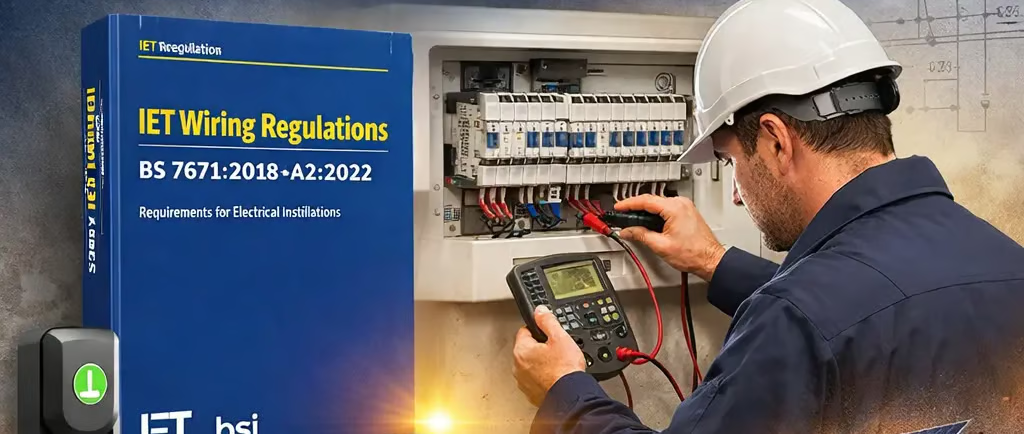
If you work as an electrician in the UK, you already know that wiring regulations are not just “rules in a book.” They are the backbone of safe electrical installations. The 18th Edition of the IET Wiring Regulations – BS 7671:2018+A2:2022 is the current standard that guides how electrical systems should be designed, installed, inspected, and tested across the UK.
But let’s talk about it in real life terms.
This edition is not just paperwork. It directly affects how you install a consumer unit, wire a kitchen, add an EV charger, or even change a socket. It shapes everyday electrical work.
How Does BS 7671 Apply to Electrical Work in the UK?
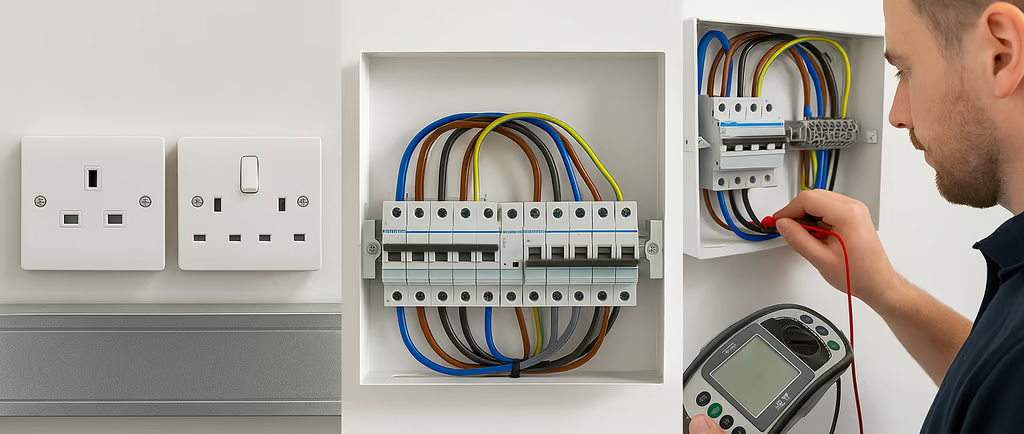
The 18th Edition IET Wiring Regulations, formally known as BS 7671, provides requirements for the design, installation, inspection and testing of electrical installations. It is used by electrical contractors, designers, inspectors and other professionals when determining how an installation should be safely designed and verified.
A common question is whether BS 7671 is itself a law. BS 7671 is a British Standard rather than an Act of Parliament, but it is widely recognised as the principal standard for electrical installation work in the UK. Other legal requirements and regulations may also apply depending on the property and type of work.
For domestic electrical work in England and Wales, Building Regulations and Part P requirements can also be relevant. This means an electrician needs to consider both the technical requirements of the electrical installation and any applicable statutory requirements.
What Does the 18th Edition Cover?
BS 7671 covers much more than consumer units and circuit breakers. It provides requirements relating to areas such as:
-
Electrical circuit design
-
Cable selection and sizing
-
Protective devices
-
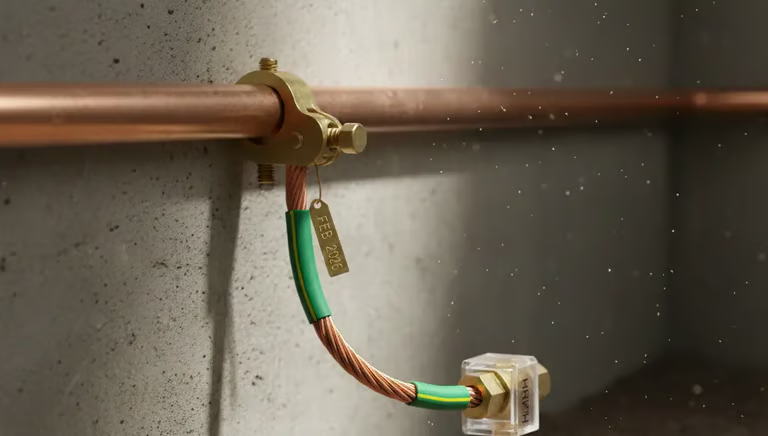
Earthing and bonding
-
RCD protection
-
Surge protection
-
Inspection and testing
-
Electrical equipment
-
Special locations
-
EV charging installations
-
Solar PV and battery systems
-
Commercial and industrial installations
-
Electrical safety verification
The regulations are intended to ensure electrical installations are designed and installed so that they operate safely under normal conditions and provide appropriate protection when faults occur.
Does Every Existing Electrical Installation Need to Be Upgraded?
No. An older installation does not automatically have to be completely upgraded every time BS 7671 changes.
This is an important distinction for homeowners. Electrical installations are not generally required to be fully rewired simply because a newer edition of BS 7671 has been published.
However, when electrical work is carried out, the relevant requirements need to be considered for the work being undertaken. Existing installations should also be maintained so they remain safe.
An EICR (Electrical Installation Condition Report) can help determine the condition of an existing installation and identify defects or areas requiring attention.
Local Electrical Solution can assess an existing electrical installation and explain whether specific remedial work, an upgrade or further electrical testing is appropriate.
What Is Part P and How Does It Relate to BS 7671?
Part P is part of the Building Regulations in England and concerns electrical safety in dwellings. It is often mentioned alongside the 18th Edition wiring regulations, but the two are not the same thing.
BS 7671 provides technical requirements for electrical installations, while Building Regulations establish legal requirements for certain building work.
Depending on the electrical work being carried out, notification or certification requirements may apply. This is why homeowners should use an appropriately qualified electrician who understands the requirements relevant to the project.
Why Are Inspection and Testing So Important?
A major part of BS 7671 compliance is not simply installing electrical equipment but verifying that the completed installation is safe.
Electrical inspection and testing can include checks such as:
-
Continuity of protective conductors
-
Insulation resistance
-
Polarity
-
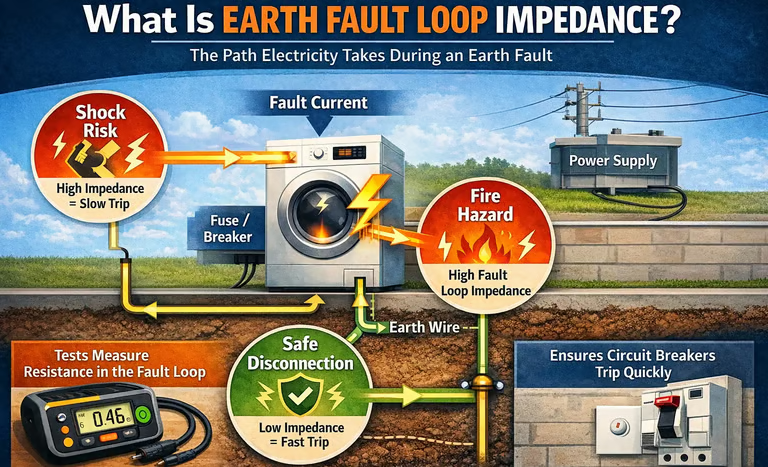
Earth fault loop impedance
-
RCD operation
-
Verification of protective devices
-
Earthing and bonding
-
Functional testing
The exact tests depend on the installation and work carried out.
Testing can identify problems that cannot be seen simply by looking at a consumer unit or socket. For example, an electrical circuit may appear to operate normally while having an underlying insulation, earthing or protective-conductor problem.
What Electrical Certificates Should You Receive?
The appropriate certificate depends on the type of electrical work completed.
For a new installation or certain additions and alterations, an Electrical Installation Certificate (EIC) may be appropriate. For some minor electrical work, a Minor Electrical Installation Works Certificate (MEIWC) may be used.
An EICR is different because it is an inspection report assessing the condition of an existing electrical installation rather than simply certifying a new installation.
Homeowners should keep electrical certificates and reports safely. They provide useful evidence of inspection, testing and work carried out on the property.
What Are the 18th Edition Requirements for Bathrooms?
Bathrooms are considered special locations because people are more vulnerable to electric shock where electricity and water are present.
BS 7671 contains specific requirements for electrical installations in locations containing a bath or shower. These requirements cover matters such as equipment selection, zones, protective measures and additional protection.
Electrical equipment installed in a bathroom therefore needs to be suitable for its location and installed according to the applicable requirements.
This can be particularly important when installing:
-
Electric showers
-
Bathroom lighting
-
Heated towel rails
-
Extractor fans
-
Bathroom sockets where permitted
-
Electric heating equipment
A qualified electrician should assess the bathroom layout and equipment before electrical work begins.
What Does BS 7671 Say About Outdoor Electrical Installations?
Outdoor electrical equipment is exposed to additional environmental conditions, including moisture, weather, mechanical damage and temperature changes.
Outdoor sockets, garden lighting, external power supplies, outbuildings and other external circuits therefore require suitable equipment and appropriate protection.
Cable routes, mechanical protection, earthing arrangements and RCD protection may all need consideration depending on the installation.
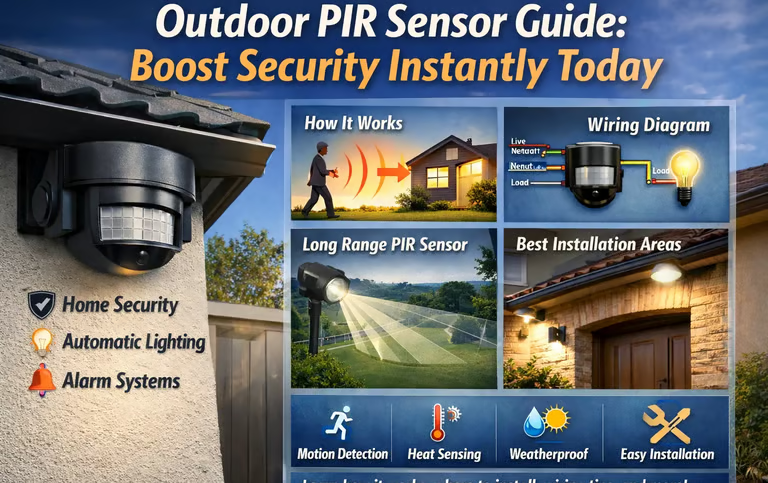
This is particularly relevant when adding garden offices, workshops, EV chargers, outdoor sockets or security lighting.
How Does the 18th Edition Affect EV Chargers?
Electric vehicle charging creates substantial electrical demand and therefore requires careful circuit design.
BS 7671 contains dedicated requirements for EV charging installations. Depending on the charger and installation, considerations can include:
-
RCD protection
-
DC residual-current protection
-
Earthing arrangements
-
Protective devices
-
PEN fault protection where applicable
-
Cable sizing
-
Load management
-
Dedicated charging circuits
An EV charger should not simply be connected to an existing circuit without checking whether the electrical installation is suitable.
What About Solar Panels and Battery Storage?
Modern electrical installations increasingly include solar PV systems, battery energy storage systems and other low-carbon technologies.
These systems introduce additional considerations because electricity may flow in different directions and equipment may remain capable of generating or storing energy even when the normal grid supply is isolated.
The electrical design therefore needs to consider appropriate isolation, protection, earthing, cable sizing, switching and testing.
For homeowners installing solar panels or batteries, the existing consumer unit and electrical installation may also need assessment before the new system is connected.
Why Are Surge Protection Devices Important?
Modern properties contain large amounts of electronic equipment. Computers, televisions, smart-home equipment, boilers, networking equipment and other electronics can be vulnerable to transient overvoltages.
Surge Protection Devices (SPDs) are designed to limit transient overvoltages and divert surge energy away from sensitive equipment.
The requirements for surge protection depend on the characteristics of the installation and the applicable BS 7671 provisions. An electrician should assess whether SPD protection is required or appropriate rather than assuming every property needs an identical arrangement.
Are Arc Fault Detection Devices Mandatory in Every Home?
No. AFDDs (Arc Fault Detection Devices) are not automatically required for every domestic circuit.
AFDDs can detect certain dangerous electrical arcing conditions that may not be detected by conventional overcurrent protection. BS 7671 includes requirements and recommendations concerning their use in particular types of premises and circuits.
Whether an AFDD is required or recommended depends on the installation and the circumstances described by the applicable regulations.
What Should Homeowners Ask an Electrician About BS 7671?
If you are arranging electrical work, useful questions include:
-
What electrical work is being carried out?
-
Which protective devices will be installed?
-
Will the existing earthing and bonding be checked?
-
What electrical testing will be completed?
-
What certificate will I receive?
-
Does Building Regulations notification apply?
-
Will my existing wiring require remedial work?
-
Is RCD, RCBO or surge protection appropriate?
-
Are there any limitations with my existing consumer unit?
-
What future electrical demand should I plan for?
Getting clear answers before work starts can prevent misunderstandings about price, scope and certification.
Does BS 7671 Compliance Guarantee an Installation Is Safe Forever?
No. Electrical installations require ongoing maintenance and periodic inspection.
Components can deteriorate, cables can become damaged, connections can loosen and electrical demand can change as homeowners add appliances, EV chargers, heat pumps, extensions and other equipment.
An installation that was safe when originally installed can therefore require attention later.
This is why regular inspection, appropriate maintenance and professional electrical testing remain important.
Why Professional Electrical Work Matters
The 18th Edition is detailed because electrical safety involves much more than simply connecting wires. Correct circuit design, protective-device selection, earthing, bonding, cable sizing, installation methods and testing all work together to provide protection.
Local Electrical Solution can assist homeowners and businesses with electrical installations, consumer unit upgrades, inspection and testing, fault finding and other electrical work where appropriate.
The electrician should assess the actual installation rather than applying a one-size-fits-all solution. This is particularly important for older properties, mixed wiring systems and installations that have been extended over several years.
Quick Answer: What Is the 18th Edition of BS 7671?
The 18th Edition of the IET Wiring Regulations is the widely used UK standard for the design, installation, inspection and testing of electrical installations. The version discussed in this article is BS 7671:2018+A2:2022.
It addresses electrical safety through requirements covering protective devices, earthing and bonding, RCDs, surge protection, special locations, EV charging, inspection and testing, and many other aspects of electrical installation work.
For homeowners, the most important point is that BS 7671 is not simply about installing new equipment. It is about making sure electrical systems are appropriately designed, protected, tested and maintained.
If your property has an old fuse box, outdated wiring, a new EV charger, an extension, solar panels or another significant electrical alteration planned, a professional assessment can help determine what work is actually required.
Local Electrical Solution can provide practical guidance on electrical installation requirements and help identify the appropriate inspection, testing or upgrade for your property.
When electrical work is carried out, prioritising proper design, qualified installation, appropriate testing and correct certification is far more important than simply completing the work as quickly or cheaply as possible.
What Is BS 7671?
BS 7671 is the British Standard that sets out the requirements for electrical installations. It is published by the Institution of Engineering and Technology (IET) and forms the foundation of electrical safety in homes, commercial buildings, and industrial sites.
The 18th Edition first came into force in 2018. Later, Amendment 2 (A2) was introduced in 2022, making some important updates — especially around consumer units, RCD protection, and surge protection.
So when someone says “18th Edition,” they really mean BS 7671:2018+A2:2022, which is the version electricians must follow today.
Key Changes Introduced in the 18th Edition
1. Surge Protection Devices (SPDs)
One of the biggest talking points in this edition is surge protection.
In many installations, SPDs are now required unless a risk assessment shows they are not needed.
This is important because modern homes contain expensive electronics:
- TVs
- Laptops
- Smart home systems
- Boilers with PCB boards
- EV chargers
A power surge can damage thousands of pounds worth of equipment in seconds. The 18th Edition recognises this risk and makes surge protection more common in domestic properties.
2. RCD Protection Almost Everywhere
The 18th Edition strengthened RCD (Residual Current Device) requirements.
Now, most circuits in domestic properties require 30mA RCD protection, including:
- Socket outlets
- Lighting circuits
- Outdoor circuits
- Cables buried in walls
This greatly reduces the risk of electric shock and fire.
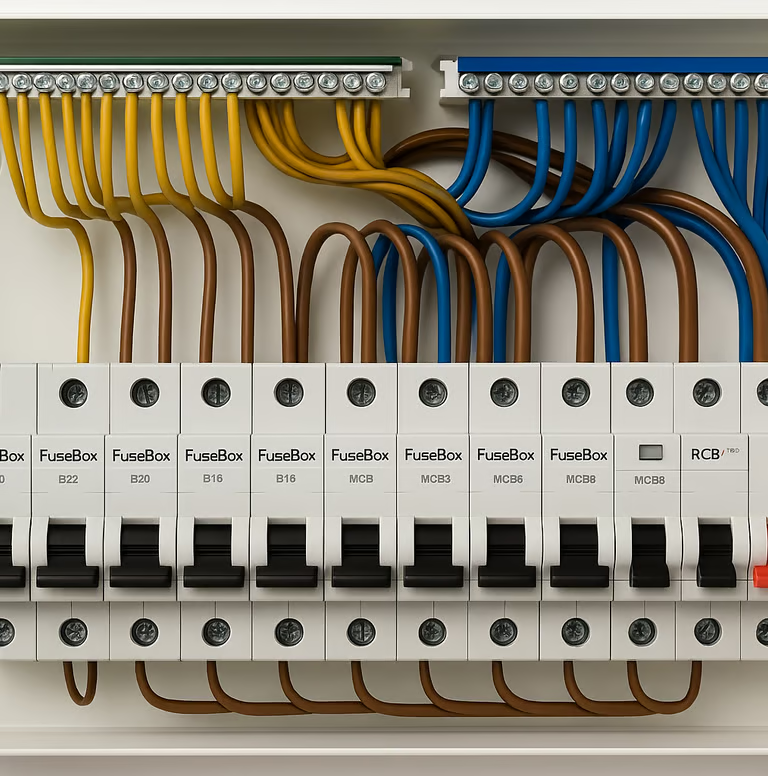
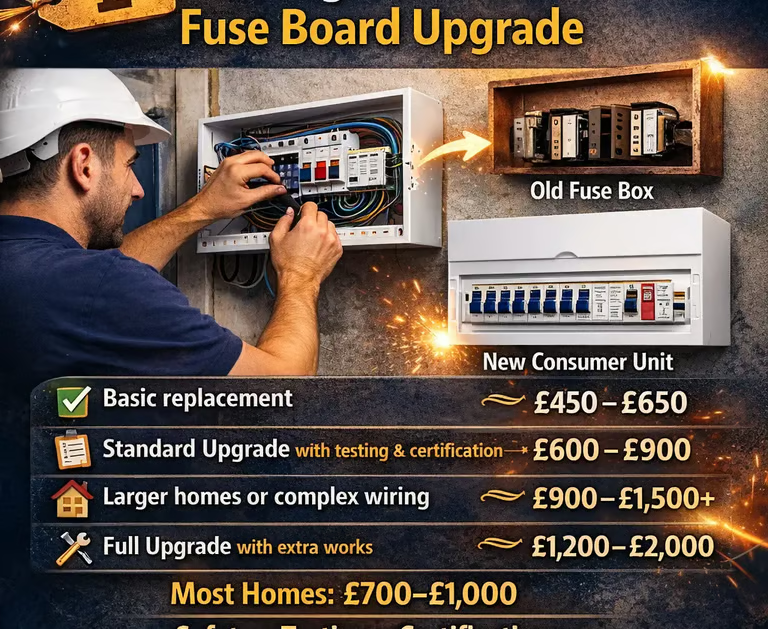
It also means older consumer units without RCD protection are often non-compliant with current standards — which is why many fuse board upgrades are recommended.
3. Consumer Units Must Be Metal
This change actually started in the 17th Edition Amendment 3, but it remains critical.
Consumer units in domestic premises must be made of non-combustible material — typically metal.
Why?
Because plastic consumer units were contributing to fire spread. Metal enclosures help contain any internal fire and reduce risk.
Today, if you install a plastic board, you are simply not following current regulations.
4. Arc Fault Detection Devices (AFDDs)
Amendment 2 (2022) made AFDD requirements stronger.
AFDDs are designed to detect dangerous arc faults that normal breakers might miss — especially loose connections or damaged cables that could cause fires.
They are particularly required in certain high-risk buildings such as:
- Higher-risk residential buildings
- Care homes
- HMOs
- Student accommodation
While not always mandatory in standard homes, AFDDs are becoming more common, especially in new builds.
5. EV Charging Installations
With electric vehicles increasing across the UK, the regulations had to adapt.
The 18th Edition includes specific rules for EV charging points, including:
- Proper earthing arrangements
- RCD protection (Type A or Type B depending on setup)
- Protection against open PEN conductors in TN-C-S systems
This ensures EV installations are safe and reduce shock risks.
For electricians installing EV chargers, understanding these regulations is essential.
6. Improved Fire Safety Considerations
Fire safety is a major focus in this edition.
Some important changes include:
- Enhanced cable support requirements (metal clips to prevent collapse in fire)
- AFDD recommendations
- Metal consumer units
- Better inspection requirements
The idea is simple: electrical systems should not contribute to fire spread.
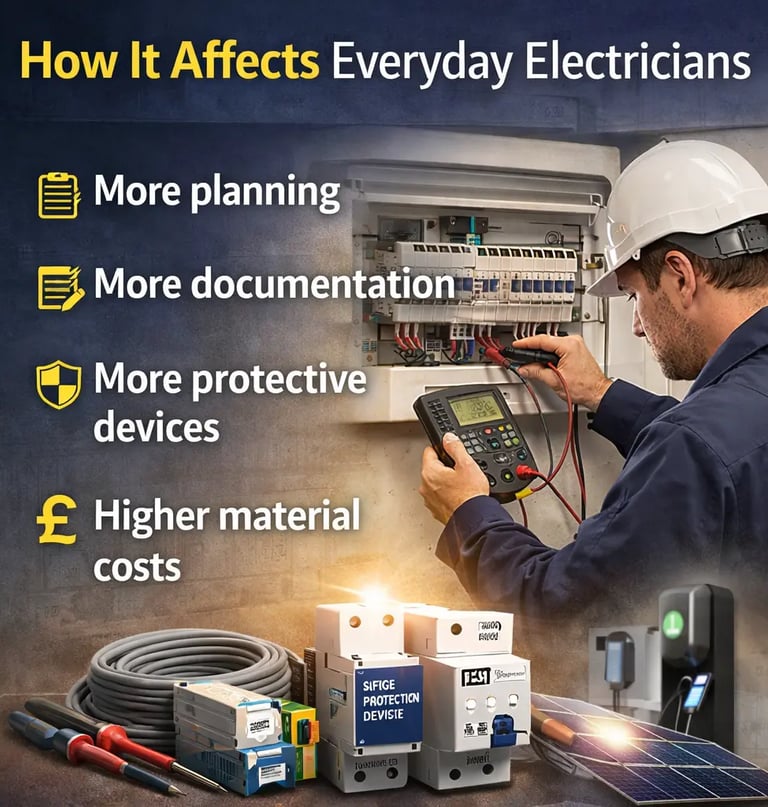
How It Affects Everyday Electricians
For working electricians, this edition means:
- More planning before installation
- More documentation
- More protective devices
- Higher material costs
- Higher responsibility
Yes, consumer units are now more expensive. Yes, AFDDs add cost. But the focus is safety.
Clients may sometimes question the price. But when you explain the reasoning — protection from fire, shock, and expensive equipment damage — they understand.
The 18th Edition pushes electricians to think not just about “does it work?” but also “is it fully protected?”
Final Thoughts
The 18th Edition of the IET Wiring Regulations – BS 7671:2018+A2:2022 is more than a technical document. It represents a shift toward stronger protection and smarter installations.
For electricians, it means staying updated, investing in better protection devices, and explaining safety clearly to clients.
For homeowners, it means safer properties and reduced risk.
Yes, it can feel more detailed. Yes, it adds cost. But when you understand the reasoning behind each change — it makes sense.
Electricity is invisible. You cannot see the danger. That is why regulations matter so much.
The 18th Edition is about preventing problems before they happen — not fixing them after.
And in electrical work, prevention is everything.