Thinking of upgrading your fuse board? Discover what affects the cost, what’s included in the work, and why a modern consumer unit improves safety, compliance, and peace of mind in your home.
Upgrading your fuse board (also called a consumer unit) is one of those jobs most homeowners don’t think about until something starts tripping, flickering, or simply feels outdated. But the truth is, your fuse board is the heart of your home’s electrical safety. If it’s old, overloaded, or missing modern protection devices, upgrading it isn’t just about convenience — it’s about protecting your family and your property.
In this guide, I’ll explain the real cost of upgrading a fuse board, what affects the price, and what you actually get for your money. I’ll keep it simple, practical, and honest — the way an electrician would explain it during a home visit.
Average Cost of a Fuse Board Upgrade
For most homes, the cost of upgrading a fuse board typically falls within these ranges:
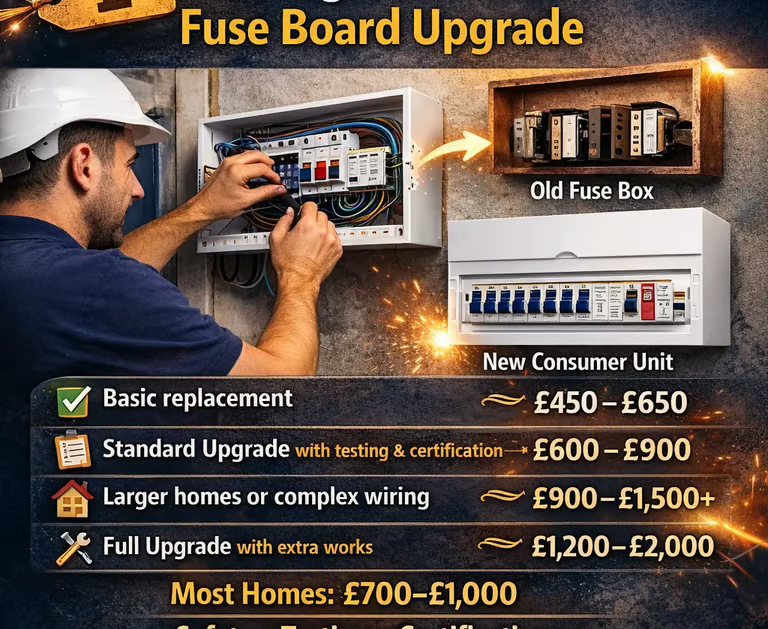
- Basic replacement (modern consumer unit swap): £450 – £650
- Standard upgrade with testing & certification: £600 – £900
- Larger homes or complex wiring: £900 – £1,500+
- Full upgrade with extra works (earthing, bonding, repairs): £1,200 – £2,000
In simple terms, most homeowners end up paying somewhere around £700–£1,000 for a proper, safe, and certified installation.
The price can feel high at first, but remember — this isn’t just a box swap. It includes safety testing, compliance work, and certification that keeps your home insurable and legally protected.
Main Factors That Affect the Price
No two homes are wired exactly the same, so the cost of upgrading a fuse board can vary quite a bit. Here are the biggest factors that influence what you’ll pay.
1. Size of Your Property
- Small flat with few circuits → cheaper
- 3–4 bedroom home → average cost
- Large house with extensions → higher cost
- More circuits = more testing time
- Larger board required = higher material cost
The more circuits your home has, the longer the job takes.
2. Condition of Existing Wiring
This is one of the biggest price variables.
- Modern PVC wiring → easy upgrade
- Mixed old and new wiring → moderate work
- Very old wiring → extra repairs needed
- Faulty circuits → additional labour
- Damaged cables → replacement cost
Sometimes the fuse board itself isn’t the issue — it’s the wiring feeding into it.
3. Type of Consumer Unit Installed
Not all fuse boards are the same quality or safety level.
- Basic split-load board → cheapest option
- Dual RCD board → mid-range price
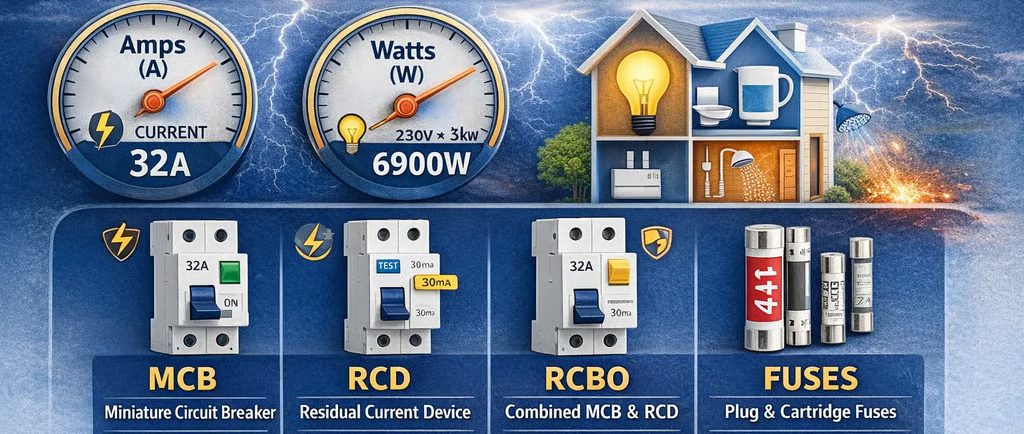
- RCBO board (best protection) → higher price
- Surge protection included → adds cost
- Premium branded units → slightly more expensive
Many electricians now recommend RCBO boards, as they offer better fault isolation and reduce nuisance tripping.
4. Earthing and Bonding Upgrades
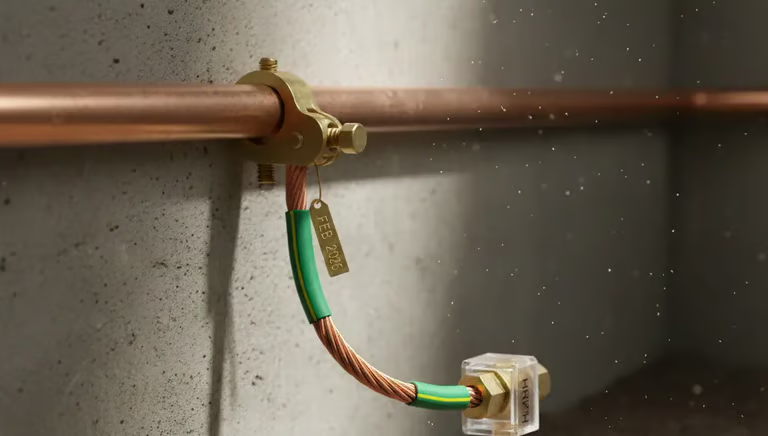
Modern regulations often require improvements to your home’s earthing system during a fuse board upgrade.
- Gas bonding upgrade needed
- Water bonding required
- Main earth cable upgrade
- Earth rod installation (rare but possible)
- Testing of grounding system
These are safety essentials, not optional extras.
5. Testing Time and Fault Finding
The biggest part of the job isn’t installing the board — it’s testing the house.
- Each circuit must be tested individually
- Insulation resistance must be checked
- Faulty sockets may need fixing
- Old junction boxes may be discovered
- Hidden wiring problems can add hours
A cheap quote often means testing is being rushed or skipped — which is risky.
Also Read Related Articles
Outdoor Passive Infrared Sensor Guide
What Is Earth Fault Loop Impedance?
No Electricity to the Boiler – Causes, Checks, and Practical Fixes
Three Phase Electricity – An In-Depth, Practical Guide
VIR– Vulcanised Indian Rubber Electrical Cables
What is the Difference between Watts & Amps
Understanding UK Circuit Protection Devices: Amperage, Wattage, and Their Functions
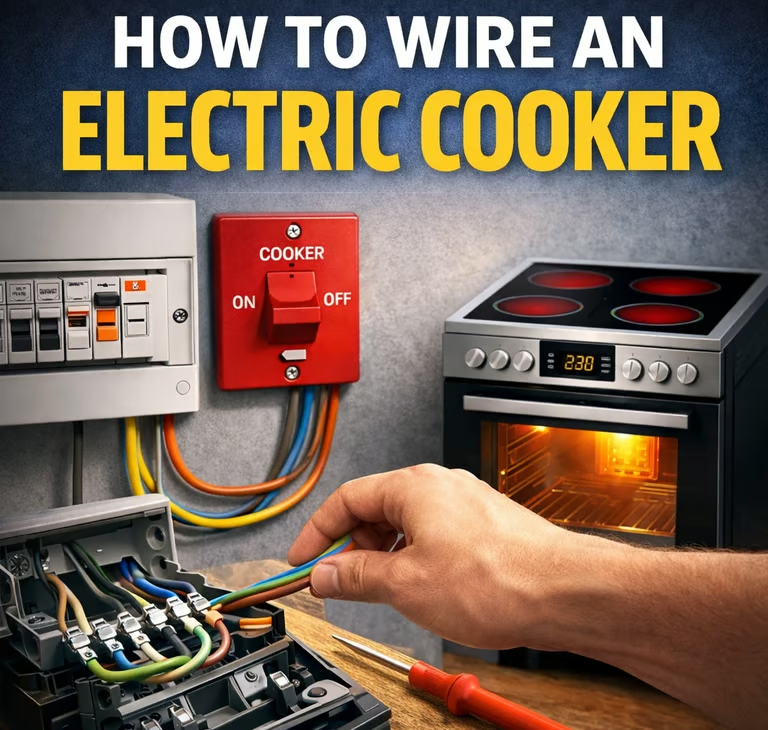
How to Wire an Electric Cooker Safely – Homeowners Guide
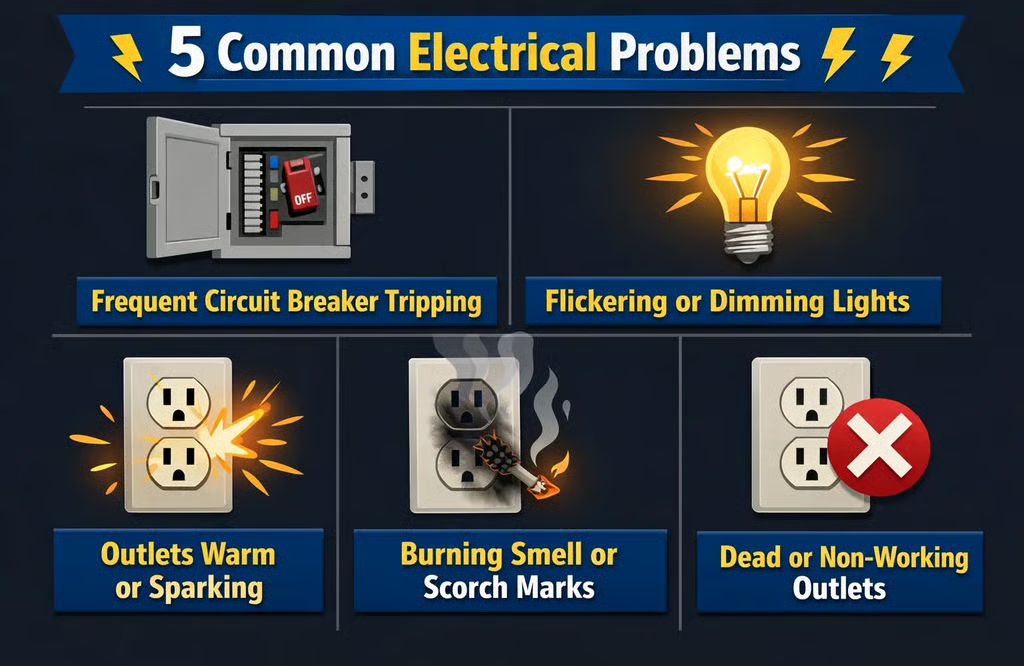
5 Common Electrical Problems Homeowners Face in Nuneaton
is a flickering light bulb dangerous
Signs You Need a Fuse Board Upgrade
If you’re unsure whether you actually need one, here are the most common warning signs electricians look for.
You may need a replacement if:
- You still have rewireable fuses
- Your fuse box is plastic
- Circuits trip frequently
- Lights flicker when appliances run
- You’ve added extensions or new kitchens
- You don’t have RCD protection
- Your electrics failed an inspection
- You smell burning near the board
- Insurance survey flagged it as outdated
- You’re planning to sell your home
A modern consumer unit isn’t just safer — it also makes your home easier to insure and sell.
How Long the Job Takes
The time required depends on the complexity of your wiring.
- Small flat → 3 to 5 hours
- Standard house → 5 to 8 hours
- Older property → full day
- Large or complex homes → 1–2 days
- Fault repairs can extend the time
Rushing this job is never a good idea. Proper testing takes time.