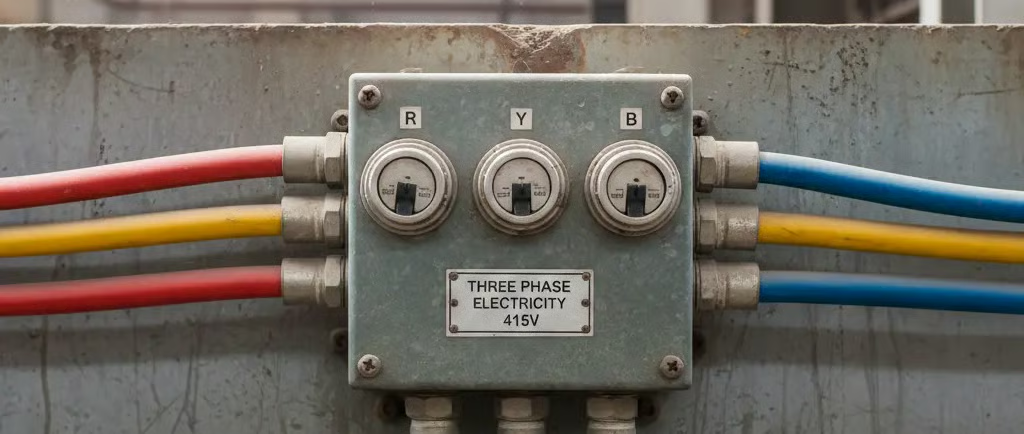
Three Phase Electricity explained in simple terms. Learn how it works, key differences from single-phase, benefits, costs, applications, and whether your home or business needs it.
Three Phase Electricity is a power distribution system designed to deliver electricity more smoothly, efficiently, and reliably than traditional single-phase systems. It is widely used where electrical demand is high and consistent power flow is essential.
In this system, electricity is supplied through three live conductors working together. Each phase reaches its peak at a different time, ensuring continuous energy delivery without dips or interruptions.
Because of this balanced design, three phase electric power reduces energy loss, improves performance, and supports heavier electrical loads. That’s why it has become the standard choice for industries, businesses, and increasingly, modern homes.
Three-Phase Power vs Single-Phase: What Sets Them Apart
Understanding the difference between single and three phase electricity is essential for homeowners and business owners alike. Single-phase electricity uses one live conductor, delivering energy in pulses, while three phase electric systems provide a continuous, smooth flow.
Three phase electrical power maintains constant voltage, reduces power losses, and improves motor efficiency. Single-phase is adequate for lighting and small appliances, but heavy machinery or multiple devices benefit from three-phase supply.
Advantages of three-phase over single-phase:
- Less energy loss and heat generation
- Consistent power for motors and appliances
- Ability to run multiple devices simultaneously
- Long-term reliability
Breaking Down Single-Phase Electricity
Single-phase electricity consists of one live wire and one neutral wire. The voltage rises and falls in a single sine wave, which means power delivery fluctuates. This is sufficient for typical households with low electrical demand.
It’s easy to install, cost-effective, and widely available. However, high-load appliances like EV chargers or large ovens can strain the system, causing circuit breaker trips and voltage drops.
Single-phase is ideal for:
- Small apartments or houses
- Basic lighting and socket usage
- Minimal electrical expansions
A Complete Look at Three-Phase Electricity
Three Phase Electricity uses three live wires plus a neutral, each carrying power 120° out of phase. This creates a nearly constant stream of electricity, reducing interruptions.
With three phase electrical calculations, electricians can design systems to handle heavier loads efficiently. Motors run cooler, power losses are reduced, and energy distribution is balanced.
Homes, businesses, and industrial facilities increasingly adopt three phase electricity supply for high-demand appliances like heat pumps, lifts, and EV chargers.
The difference between single and three phase electricity can be summarized by performance and reliability. Single-phase is simple and sufficient for low-demand setups, whereas three phase electrical power ensures efficiency for larger loads.
Choosing the Right Electrical Setup for Your Home or Business
Selecting between single-phase and three-phase systems depends on present and future energy needs. Modern homes with high-capacity appliances or workshops benefit from three phase electricity supply.
Consider your plans for EV chargers, heavy-duty kitchen appliances, or home workshops. If you anticipate growing energy demand, three-phase power may save money and stress in the long run.
Signs you might need three-phase:
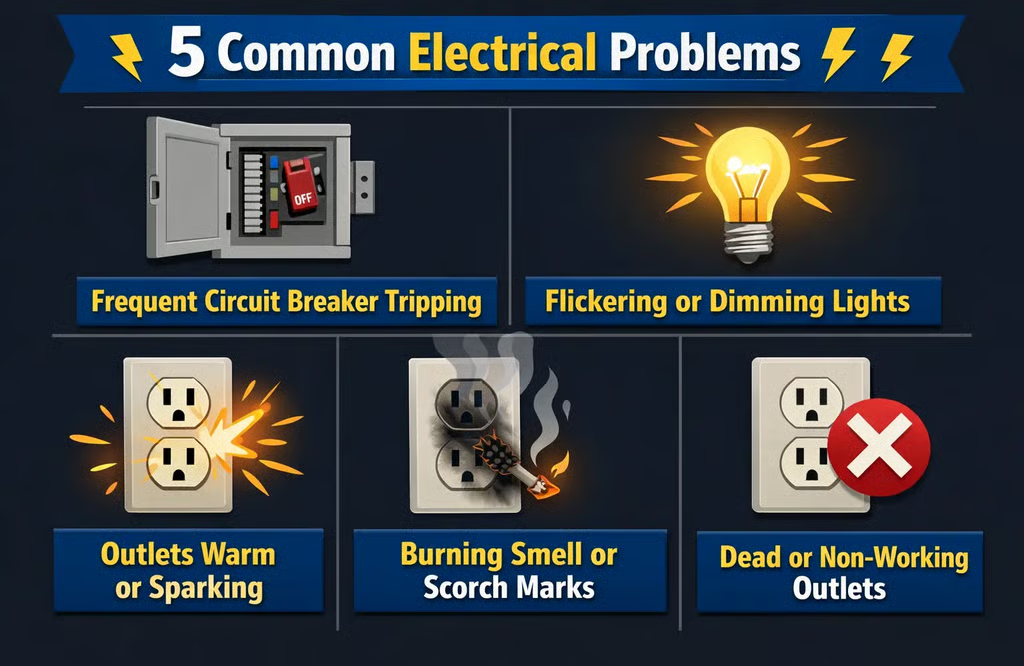
- Frequent breaker trips
- Voltage drops under load
- Planning high-demand expansions
Practical Uses of Three-Phase Electricity in Daily Life
Three Phase Electricity is not just industrial—it’s increasingly found in homes and small businesses. Balanced power flow allows multiple devices to run simultaneously without overloading circuits.
Common residential and commercial uses:
- Heating and cooling systems
- EV chargers
- Home workshops and machinery
- Kitchens with heavy appliances
- Small factories or production units
How Industries and Businesses Use Three-Phase Electricity
Industries rely on three phase electric power for continuous operation. Motors run smoother, machines last longer, and energy efficiency improves.
A three phase electric motor requires less current per phase, reducing heat and mechanical wear. Balanced loads allow reliable operation even under heavy demand.
Typical industrial applications:
- Conveyor systems
- Air compressors
- Pumps and fans
- CNC machines
- Refrigeration units
The Growing Role of Three-Phase Power in Homes
Residential adoption of three phase electricity is rising due to EV chargers, solar panels, and home workshops. Continuous energy flow reduces trips and voltage fluctuations.
Benefits include:
- Stable voltage for appliances
- Ability to run multiple high-power devices
- Smoother operation of three phase electric motor wiring
- Future-proofing for expansions
Pros and Cons of Having Three-Phase Electricity at Home
Understanding both sides helps homeowners decide.
Advantages of three-phase:
- Handles large loads efficiently
- Improves energy distribution
- Reduces heat and voltage drops
- Supports modern appliances and EV chargers
- Allows easy future expansion
Disadvantages:
- Higher installation cost
- Not available in all areas
- More complex wiring and maintenance
- May be overkill for low-demand households
Is Three-Phase Electricity Necessary for Your Property?
You might need three phase electricity if:
- You have high-capacity appliances
- Planning a home extension or workshop
- Want efficient three phase electric motor wiring
- Experience frequent breaker trips
Three-phase is especially beneficial for homes planning future-proof power solutions.
Supporting High-Power Appliances with Three-Phase Systems
EV chargers, heat pumps, and commercial ovens operate best on three phase electricity supply.
Advantages include:
- Faster, safer operation
- Reduced electrical strain
- Stable voltage and energy efficiency
Expanding Your Home? How Three-Phase Power Helps
Home extensions or renovations increase electricity demand. A three phase electric meter ensures accurate billing, and three phase electrical power supports new appliances without overloading circuits.
Upgrading before expansion avoids repeated costly rewiring.
Three-Phase Electricity for Workshops and Small Businesses
Home workshops with machinery benefit from three phase electric motor wiring diagram guidance. Smooth torque, safer operation, and lower heat generation reduce equipment wear and increase productivity.
Step-by-Step Guide to Upgrading from Single-Phase to Three-Phase Power
Step 1: Assessing Your Power Requirements
An electrician calculates load demand and future needs using three phase electrical calculations.
Step 2: Coordinating with Your Electricity Provider
Your DNO confirms supply availability and required permissions.
Step 3: Installing a Three-Phase Meter
A three phase electric meter measures consumption for all three phases accurately.
Step 4: Upgrading Internal Wiring and Consumer Units
Internal wiring must safely handle higher loads, including three phase electric motor wiring.
Step 5: Completing External Electrical Modifications
External cabling, service heads, and transformers are modified for three-phase supply.
Cost and Timeline Expectations When Switching to Three-Phase Power
Switching costs vary:
- DNO fees for connection
- Meter and panel installation
- Internal wiring upgrades
Typical timeline: 2–6 weeks depending on complexity.
Future Trends: Three-Phase Electricity in Modern Homes
With EVs, heat pumps, and smart appliances, three phase electricity will become standard in new homes. Continuous energy delivery supports increased demand safely.
Integrating Renewable Energy with Three-Phase Electricity
Solar systems, battery storage, and hybrid setups perform more efficiently with three phase electricity supply, ensuring balanced load and smooth energy export to the grid.
Essential FAQs About Three-Phase Electricity
How to test a three phase electric motor?
Check voltage balance, insulation resistance, and rotation using professional tools. Proper testing ensures efficiency and safety.
What is a three phase electric motor wiring diagram?
A three phase electric motor wiring diagram shows how phases connect to motor windings for correct rotation and load balance.
Is three-phase electricity safer than single-phase?
Yes, balanced loads reduce overheating, voltage drops, and stress on appliances.
Wrapping Up: Is Three-Phase Electricity Right for You?
Three Phase Electricity is a smart, reliable choice for modern homes, workshops, and businesses. It provides consistent energy, reduces equipment wear, and supports high-demand appliances efficiently.
Understanding three phase electrical power, its uses, costs, and benefits ensures safe, future-ready energy for any property.