
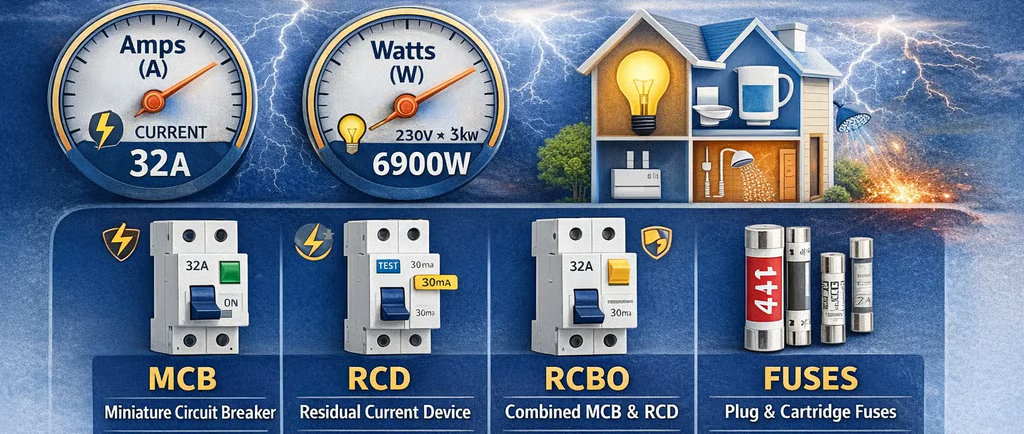
Understand UK circuit protection devices, including amperage, wattage, MCBs, RCDs, and RCBOs, and how they protect your home and electrical systems.
Electrical safety in the UK depends heavily on the correct use of circuit protection devices. These devices quietly work in the background to prevent fires, electric shocks, and damage to appliances. Whether you’re a homeowner, landlord, trainee electrician, or business owner, understanding amps, watts, and how protection devices function helps you make safer and smarter decisions.
This guide explains UK circuit protection in a simple but detailed way, without technical overload.
How Do Circuit Protection Devices Work Together in a UK Home?
Circuit protection works as a layered safety system. Different devices protect against different electrical problems, so an MCB, RCD, RCBO and SPD should not be viewed as interchangeable.
For example, an MCB primarily protects the wiring against overcurrent caused by an overload or short circuit. An RCD detects an imbalance between current flowing through the live and neutral conductors, helping provide additional protection against electric shock. An RCBO combines both forms of protection on an individual circuit.
What Happens When a Circuit Trips?
If an electrical fault occurs, the appropriate protective device should disconnect the affected supply. You may notice that the lights go out, sockets stop working, or an appliance suddenly loses power.
The first step is to identify which device has operated. Do not repeatedly reset a breaker without understanding why it tripped. A single trip may have been caused by a temporary overload or faulty appliance, but repeated tripping can indicate a deeper electrical fault, insulation problem, earth leakage or circuit overload.
If the device trips again immediately, leave it switched off and contact a qualified electrician.
MCB Trip vs RCD Trip: What Is the Difference?
An MCB normally operates when a circuit experiences excessive current, such as an overload or short circuit. An RCD operates when it detects residual current indicating that electricity may be escaping from the intended circuit path.
This distinction can help explain why different faults produce different symptoms. For example, a faulty appliance may cause an RCD or RCBO to operate because of earth leakage, while too many high-power appliances running on one circuit may cause an MCB to trip because of excessive current.
Why Does an RCBO Improve Circuit Protection?
With individual RCBO protection, each circuit can have its own combined overcurrent and residual-current protection. If a fault develops on one circuit, the affected circuit can be disconnected without necessarily cutting power to other protected circuits.
This can make fault finding easier and reduce unnecessary disruption. For example, a problem with an outdoor socket circuit does not necessarily need to shut down unrelated lighting or kitchen circuits.
What Should Homeowners Never Do?
Circuit protection devices are designed to operate automatically, but they do not make an unsafe electrical installation safe to investigate yourself.
Never replace an MCB with a higher-rated breaker simply because it keeps tripping. Never fit a larger fuse to stop a fuse from blowing, and never bypass an RCD or other protective device. The rating of a protective device must be appropriate for the cable, installation method and circuit design.
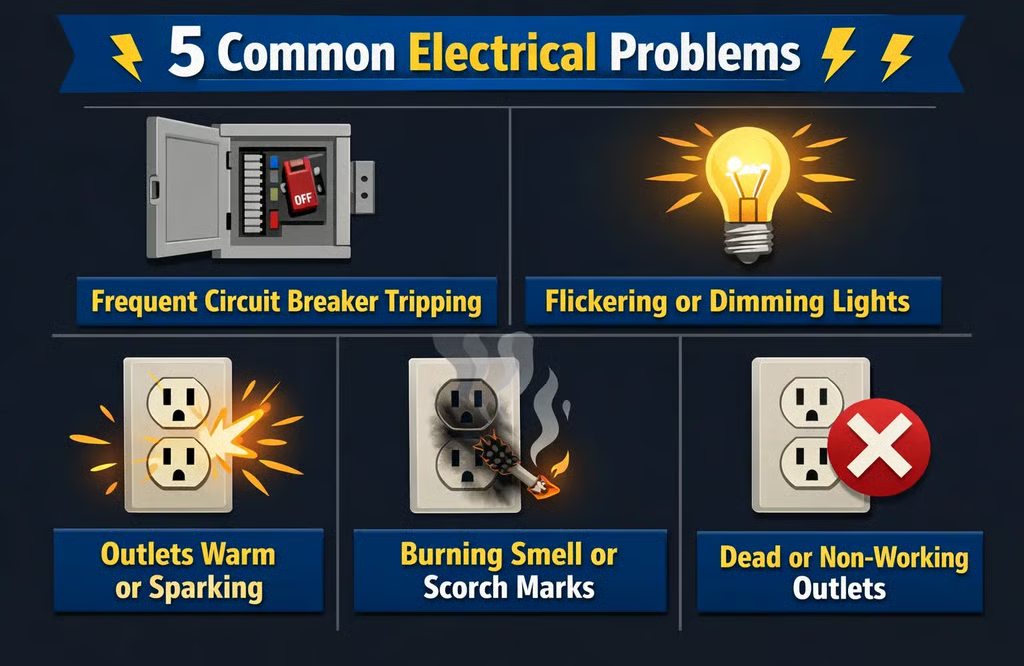
If you experience repeated consumer unit tripping, burning smells, buzzing sounds, damaged wiring or warm sockets, stop using the affected circuit and arrange professional electrical testing.
A properly designed UK electrical installation uses the right combination of MCBs, RCDs, RCBOs, fuses and surge protection devices to provide layered protection. Understanding what each device does—and recognising when it is operating because something is wrong—can help homeowners respond safely before a minor electrical fault becomes a serious problem.
What Are Circuit Protection Devices?
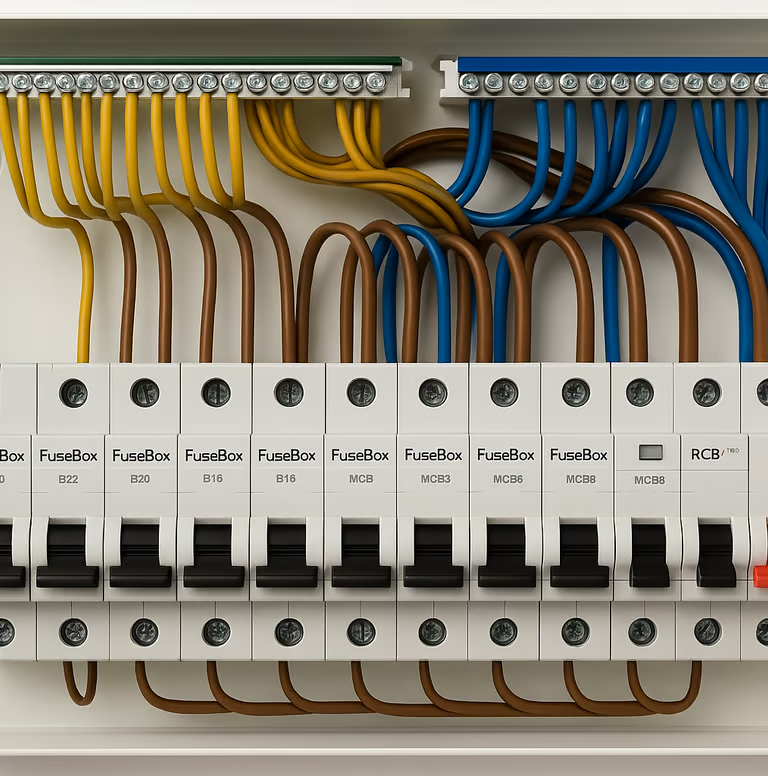
Circuit protection devices are components installed in a consumer unit (fuse box) that:
- Monitor electrical flow
- Cut power automatically when something goes wrong
- Protect:
- People
- Wiring
- Electrical equipment
- Buildings
In the UK, these devices must comply with BS 7671 (IET Wiring Regulations).
Why Circuit Protection Is Essential in UK Electrical Systems
Without protection, even a small fault can cause serious damage.
Main reasons circuit protection is critical:
- Prevents electrical fires caused by overheating cables
- Reduces risk of electric shock
- Protects appliances from overload damage
- Ensures compliance with UK safety laws
- Improves reliability of electrical installations
Understanding Amperage (Amps) in UK Electrical Circuits
What Is Amperage?
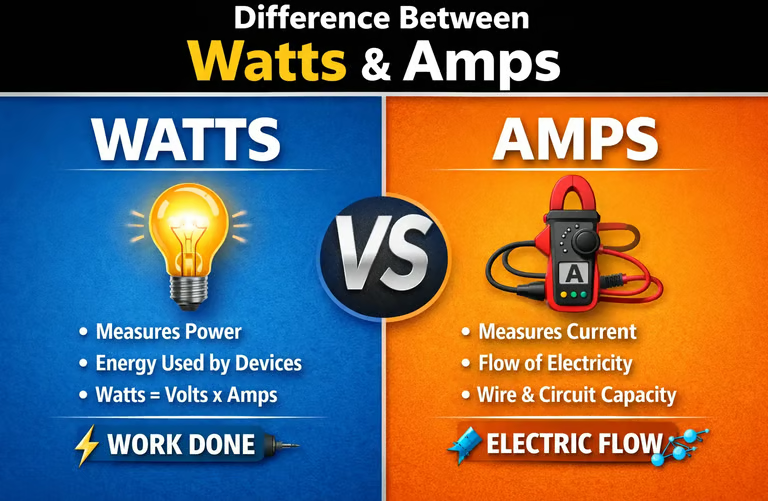
Amperage (A) measures the amount of electrical current flowing through a circuit.
Think of it as:
- The volume of electricity moving through cables
Why Amps Matter in Circuit Protection
Every cable and appliance has a maximum safe current rating.
If current exceeds this limit:
- Cables heat up
- Insulation melts
- Fire risk increases
Common UK Circuit Amperage Ratings
- 6A
- Lighting circuits
- 16A / 20A
- Small power or dedicated circuits
- 32A
- Ring final circuits (sockets)
- 40A – 50A
- Electric showers
- 63A – 100A
- Main incoming supply
Circuit breakers are chosen specifically to match cable size and load, not just appliance demand.
Understanding Wattage (Watts) in Electrical Systems
What Is Wattage?
Wattage (W) measures electrical power consumption.
Formula used in the UK:
- Watts = Volts × Amps
Since UK voltage is typically 230V, power calculations are straightforward.
Why Wattage Is Important for Circuit Design
Wattage helps determine:
- How much power appliances use
- Whether a circuit can handle the load
- If a breaker may trip frequently
Examples of Typical Appliance Wattage
- LED bulb: 5–10W
- Kettle: 2,000–3,000W
- Electric oven: 2,500–5,000W
- Shower: 7,500–10,500W
High-wattage appliances often require dedicated circuits.
Relationship Between Amps, Watts, and Circuit Protection
Understanding how amps and watts work together is key to proper protection.
How They Interact
- High wattage = higher current draw
- Higher current = more heat in cables
- Circuit breakers trip when amps exceed safe limits
Why Breakers Are Rated in Amps, Not Watts
- Current directly causes overheating
- Cable safety depends on current, not power
- Voltage is fixed in UK homes (230V)
Main Types of UK Circuit Protection Devices
MCB (Miniature Circuit Breaker)
What Is an MCB?
An MCB protects against:
- Overloads
- Short circuits
It automatically switches off power when current exceeds safe levels.
How an MCB Works
- Uses a thermal mechanism for overloads
- Uses a magnetic mechanism for short circuits
Common MCB Ratings in UK Homes
- 6A – lighting
- 16A / 20A – radial sockets
- 32A – ring circuits
Advantages of MCBs
- Resettable (no fuse replacement)
- Reliable and quick response
- Easy fault identification
RCD (Residual Current Device)
What Is an RCD?
An RCD protects people, not appliances.
It detects current leakage to earth.
Why RCDs Are Critical for Safety
- Trips within 30 milliseconds
- Prevents fatal electric shocks
- Required by UK regulations for:
- Socket outlets
- Bathrooms
- Outdoor circuits
Typical RCD Sensitivity
- 30mA – personal protection
- 100mA / 300mA – fire protection (commercial)
RCBO (Residual Current Breaker with Overcurrent)
What Is an RCBO?
An RCBO combines:
- MCB (overload & short circuit protection)
- RCD (earth leakage protection)
Why RCBOs Are Preferred in Modern Installations
- One circuit trips, not the whole board
- Easier fault finding
- Better reliability
- Fully compliant with latest UK standards
Fuses (Traditional Protection Devices)
Where Fuses Are Still Used
- Plug tops (BS 1362)
- Older consumer units
- Some control panels
Common UK Plug Fuse Ratings
- 3A – lamps and electronics
- 5A – small appliances
- 13A – kettles, heaters
Fuses are simple but must be replaced after operation.
Surge Protection Devices (SPD)
What Is a Surge Protection Device?
An SPD protects equipment from voltage spikes caused by:
- Lightning
- Grid switching
- Power surges
Why SPDs Matter Today
- Modern homes contain sensitive electronics
- Smart devices are easily damaged
- Required in many new UK installations
How Circuit Protection Is Selected in the UK
Correct selection is based on engineering principles, not guesswork.
Key Factors Considered
- Cable size (mm²)
- Installation method
- Ambient temperature
- Load type
- Circuit length
- Fault current levels
Incorrect selection can:
- Cause nuisance tripping
- Overheat cables
- Fail inspections
Common Mistakes with Circuit Protection
Errors Often Seen in Properties
- Oversized breakers on small cables
- No RCD protection
- Mixed old and new protection devices
- Incorrect fuse ratings in plugs
- Ignoring manufacturer guidelines
These mistakes increase fire and shock risk.
UK Wiring Regulations and Compliance
Circuit protection must follow:
- BS 7671 (18th Edition + Amendments)
- Building Regulations Part P
- Local authority requirements
Failure to comply can result in:
- Failed EICR
- Invalid insurance
- Legal issues for landlords
How Circuit Protection Protects Against Electrical Fires
Electrical fires often start due to:
- Overloaded circuits
- Loose connections
- Faulty appliances
Protection devices reduce risk by:
- Cutting power before overheating
- Limiting fault duration
- Detecting earth leakage early
Signs Your Circuit Protection Needs Attention
Call a qualified electrician if you notice:
- Frequent tripping
- Burning smells
- Buzzing consumer unit
- Warm sockets or switches
- Flickering lights under load
These are early warning signs.
Final Thoughts: Why Understanding Circuit Protection Matters
Understanding amperage, wattage, and protection devices gives you:
- Better safety awareness
- Smarter appliance use
- Confidence when speaking to electricians
- Protection for your property and family
Circuit protection is not just about compliance — it’s about preventing disasters before they happen.









One Response