What is Earth Bonding? Learn how earth bonding protects against electric shock, why it’s required by regulations, and how bonding gas and water pipes keeps your home safe and compliant.
Earth Bonding is one of those electrical safety topics that sounds technical, but at heart, it’s about protecting people, property, and appliances from danger.
In simple terms, Earth Bonding connects metal parts of a building—like gas pipes, water pipes, and structural steel—to the main earthing system. This prevents those metal parts from becoming live and causing electric shock.
When people ask what is earth bonding, they are usually worried about safety, regulations, or a failed electrical report. And rightly so. Good Earth Bonding can literally save lives.
Understanding What is Earth Bonding
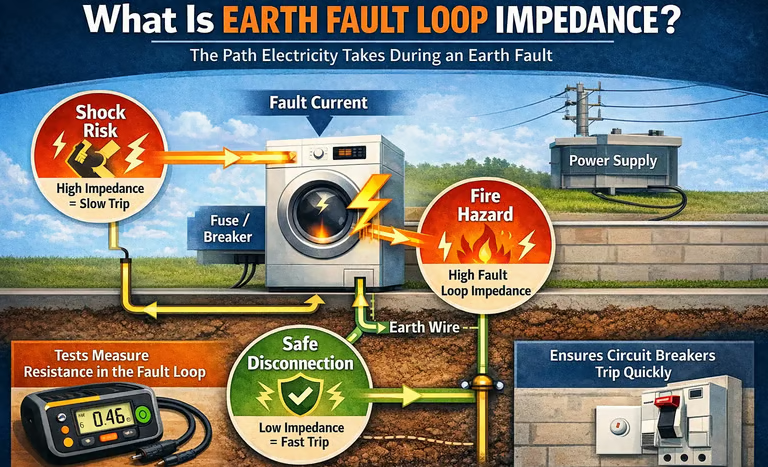
Earth Bonding works by creating a safe path for fault current. If electricity accidentally touches metalwork, the current flows safely to earth instead of through a person.
Without proper earth bonding, metal parts can sit at dangerous voltages without anyone knowing—until it’s too late.
Earth Bonding is closely linked with earthing and bonding, but they are not the same thing:
- Earthing connects electrical systems to the ground
- Bonding connects metal parts together and to earth
Together, they form a complete safety system.
How Do You Know If Your Home Needs Earth Bonding?
If your property has metal incoming services such as gas or water, the electrical installation may require main protective bonding as part of its overall earthing and bonding arrangement. However, the correct bonding requirements depend on the type of electrical installation, earthing arrangement and characteristics of the incoming services.
This is why simply seeing a green and yellow cable does not prove that the bonding is correctly installed.
What Is the Difference Between Earthing and Bonding?
Earthing and bonding work together but perform different safety functions.
Earthing provides a path for fault current so protective devices can disconnect the electrical supply when required. Bonding connects relevant metallic parts together so dangerous differences in voltage are reduced during an electrical fault.
In simple terms, earthing helps provide a fault-current path, while bonding helps keep accessible metalwork at a safer potential.
Where Should Main Bonding Be Connected?
Main protective bonding is generally associated with incoming metallic services, such as qualifying gas and water services. The connection needs to be appropriately positioned, secure, accessible and suitable for inspection and testing.
The exact location should not be guessed from online diagrams. An electrician needs to assess the installation and determine the appropriate bonding arrangement for the property.
Do Plastic Water Pipes Need Earth Bonding?
Plastic pipework can change the bonding requirements because plastic is not electrically conductive in the same way as metal pipework. However, a property may contain a mixture of metal and plastic sections, making the overall installation more complicated.
For this reason, homeowners should not remove an existing bonding conductor simply because part of a pipe system has been replaced with plastic. The complete installation should be assessed before any bonding connection is altered.
What Happens If Earth Bonding Is Missing?
Missing or inadequate protective bonding can increase the risk associated with electrical faults because metallic services may not be maintained at the same potential as intended.
It can also result in an unsatisfactory finding during an Electrical Installation Condition Report (EICR), depending on the nature and severity of the defect.
Importantly, an EICR code is assigned based on the specific condition found—not simply because a property contains older wiring or equipment.
Can You Check Earth Bonding Yourself?
You can visually check whether accessible bonding conductors appear to be present, but you should not loosen clamps, disconnect cables or attempt electrical testing yourself.
A qualified electrician can verify bonding continuity, inspect connection points and carry out the appropriate tests. They can also assess the consumer unit, earthing arrangements and protective devices as part of the wider electrical installation.
Why Is Earth Bonding Important When Buying an Older Property?
Older properties can contain electrical installations that have been modified several times. A mixture of old and new wiring, replacement pipework, extensions and alterations can make the bonding arrangement difficult to assess by appearance alone.
If you are buying an older property, an EICR or suitable electrical inspection can identify defects that may not be obvious during a normal viewing.
When Should You Call an Electrician?
Arrange professional advice if you notice missing bonding conductors, loose-looking clamps, corrosion, damaged cables or unexplained electrical faults. You should also seek an inspection if major plumbing or electrical alterations have recently been completed.
The safest approach is to treat earth bonding as part of the complete electrical safety system, rather than as a single cable attached to a pipe. Correct assessment, installation and testing help ensure the property’s earthing and bonding arrangements provide the protection they are designed to provide.
Why Earth Bonding Is So Important
Earth Bonding plays a critical role in keeping people and property safe from electrical dangers. It works quietly in the background, but its impact is huge. Without proper Earth Bonding, metal parts in a building can become live during an electrical fault, creating a serious risk without any visible warning signs.
One of the biggest benefits of Earth Bonding is that it prevents electric shock by providing a safe path for fault current to flow into the ground. This also reduces fire risk, as dangerous heat build-up caused by fault currents is quickly removed from the system. When Earth Bonding is in place, protective devices like circuit breakers can operate correctly, ensuring fast disconnection of power during a fault.
Key reasons Earth Bonding is essential include:
- Keeps all exposed metalwork at the same electrical potential
- Supports correct operation of fuses and breakers
- Helps meet UK wiring regulations and safety standards
A property without correct Earth Bonding is unsafe, even if everything looks fine on the surface.
Common Places Where Earth Bonding Is Required
- Gas meters
- Water pipes
- Oil pipes
- Structural steel
- Lightning protection systems
These connections make sure everything is earth bonded properly.
We provide professional earth bonding services in Birmingham, ensuring your property meets UK electrical safety regulations, reduces shock risk, and keeps your home or business fully protected.
Earth Bonding on Gas Meters
Why Gas Meter Earth Bonding Matters
Gas pipes are metal and can conduct electricity. If a fault occurs and there is no earth bonding on gas meter, the pipe can become live.
That’s why earth bonding gas meter connections are critical for safety.
Key Points for Gas Meter Bonding
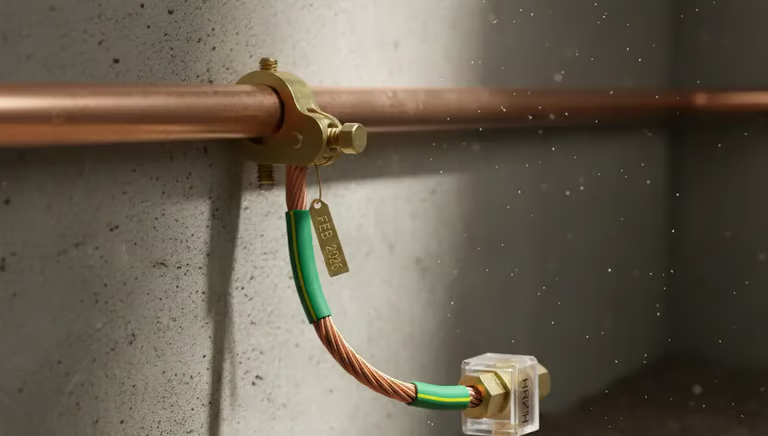
- Bonding must be fitted close to the meter
- The clamp must be secure and labelled
- The cable must run back to the main earthing terminal
This is often called earth bonding at gas meter or earth bonding on gas meter.
Gas Meter Earth Bonding Regulations (18th Edition)
The gas meter earth bonding regulations come from BS 7671.
Under the earth bonding regulations 18th edition:
- Main bonding is required for gas services
- Bonding must be continuous and accessible
- Correct cable size must be used
This also applies to gas earth bonding 18th edition and gas pipe earth bonding installations.
Earth Bonding Cable and Cable Size
What Is an Earth Bonding Cable?
An earth bonding cable is usually green/yellow and connects metal services to the earthing system.
You may also hear it called:
- earth bond cable
- bonding earth cable
- earth cable bonding
What Size Earth Cable for Bonding?
Cable size depends on the earthing arrangement, but in most homes:
- 10mm earth bonding cable is standard
Common search terms include:
- earth bonding cable size
- what size earth cable for bonding
- size of earth cable for bonding
- 18th edition earth bonding cable size
Using the wrong size can make the bonding ineffective.
Earth Bonding Clamps and Accessories
To secure the cable, electricians use:
- earth bonding clamp
- earth bonding clamps
- earth bonding strap
These clamps must:
- Be tight
- Be corrosion resistant
- Make good metal contact
Some electricians use a complete earth bonding kit for convenience.
Earth Bonding Points and Connections
The earth bonding point is where the cable connects to the pipe or metalwork.
A good bonding point:
- Is visible
- Is labelled
- Is accessible for testing
Hidden or painted-over bonding points are common faults.
Earth Bonding Tests and Inspection
Earth Bond Test
During inspections, electricians perform:
- earth bond test
- earth bonding test
These checks confirm continuity and effectiveness.
Tools Used
- earth bond tester
- Multimeter or loop tester
Poor results may mean loose clamps or broken cables.
Gas Meter Earth Bonding Diagram (Concept Explained)
A gas meter earth bonding diagram typically shows:
- Main earthing terminal
- Green/yellow bonding cable
- Clamp near gas meter
- Clear route without breaks
While diagrams help, correct installation matters more.
Earth Bonding Regulations You Must Know
Key Regulation Highlights
- Bonding must be permanent
- No joints unless accessible
- Cable must be protected
- Labels must be fitted
These apply under general earth bonding regulations and bonding earthing rules.
Earth Bonding Plug and Temporary Solutions
An earth bonding plug may be used in testing or special cases, but it is not a permanent replacement for proper bonding.
Permanent bonding must always be hard-wired.
Earth Neutral Bond Relay and Advanced Systems
In advanced electrical systems, especially industrial or renewable setups, an earth neutral bond relay may be used.
Its role:
- Monitors earth-neutral connection
- Improves fault detection
- Enhances system safety
This is beyond domestic setups but worth understanding.
Lightning Conductor Earth Bonding
Buildings with lightning protection require lightning conductor earth bonding.
This ensures:
- Lightning energy flows safely to ground
- No dangerous voltage differences
- Compliance with safety standards
Poor bonding here can cause severe damage.
Gas Earth Bonding – Common Problems Found
- Loose clamps
- Undersized cable
- Bonding after plastic joints
- No bonding at all
- Corroded connections
These issues often lead to EICR failures.
Water Pipe Earth Bonding – Common Issues
- Plastic sections breaking continuity
- Bonding too far from entry point
- Painted-over clamps
- Incorrect cable routing
These faults reduce effectiveness.
Earth Bonding in Real Homes
In older properties, Earth Bonding may be missing or outdated. Upgrading it is often simple and affordable, especially when handled by professionals like Local Electrical Solution.
Many homeowners only discover issues during a safety report.
Earth Bonding and Safety Certificates
Incorrect Earth Bonding often results in:
- C2 or C3 EICR codes
- Delayed property sales
- Failed landlord inspections
Fixing bonding early avoids stress later.
Why Professional Installation Matters
DIY bonding is risky. A qualified electrician understands:
- Regulations
- Correct cable sizes
- Proper testing
- Safe routing
Companies like Local Electrical Solution ensure compliance and peace of mind.
Final Thoughts on Earth Bonding
Earth Bonding may not be glamorous, but it’s one of the most important electrical safety measures in any building.
Whether it’s gas earth bonding, water pipe earth bonding, or correct earth bonding cable size, every detail matters.
If you’re unsure about your setup, get it checked. Safe bonding today prevents serious accidents tomorrow.