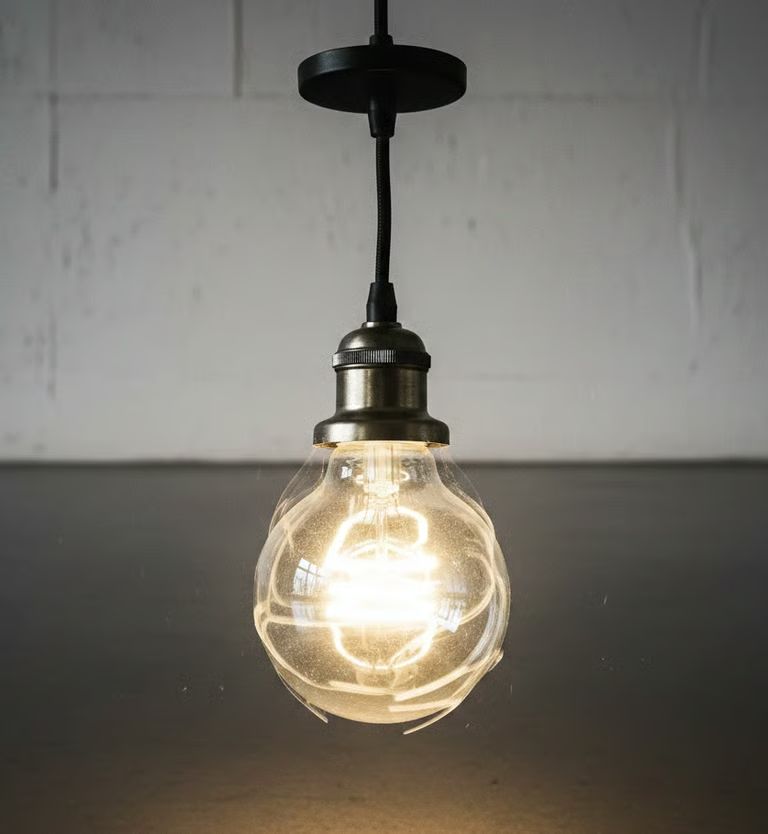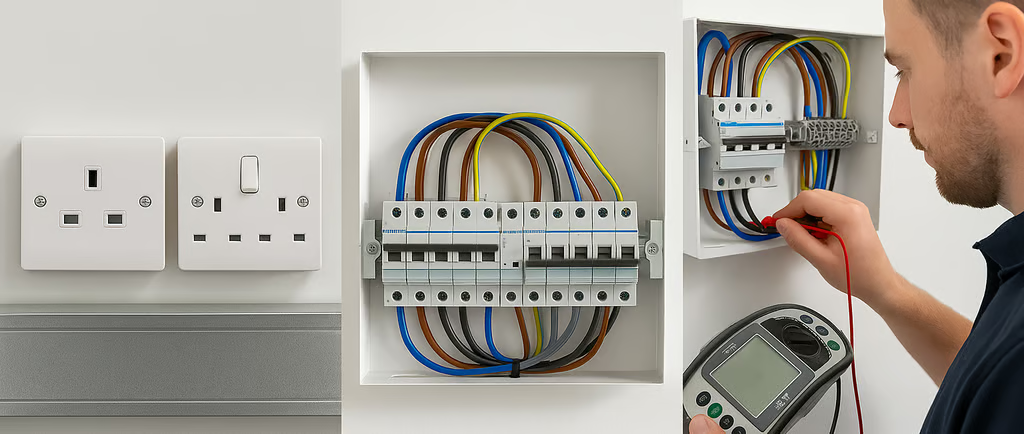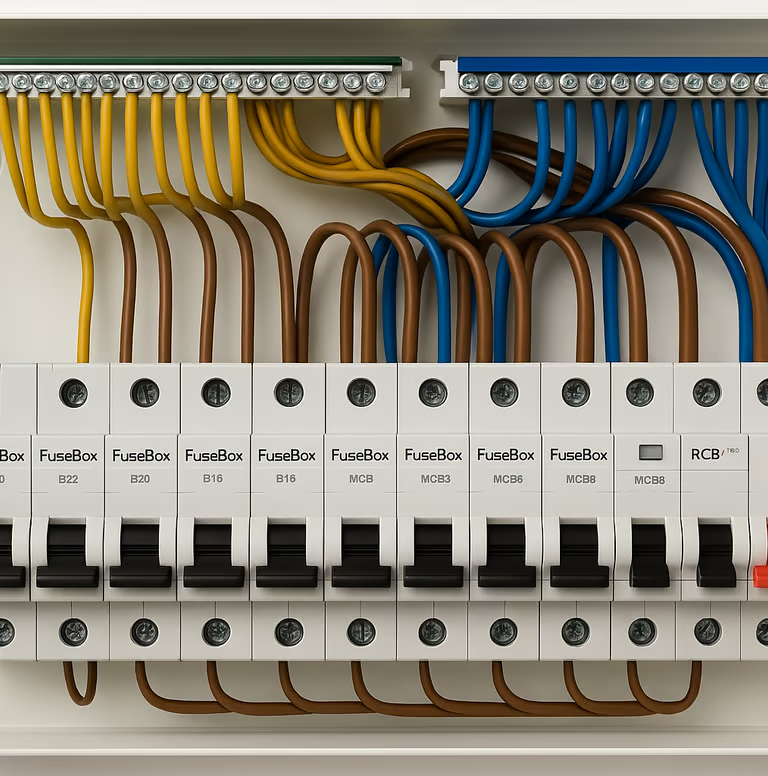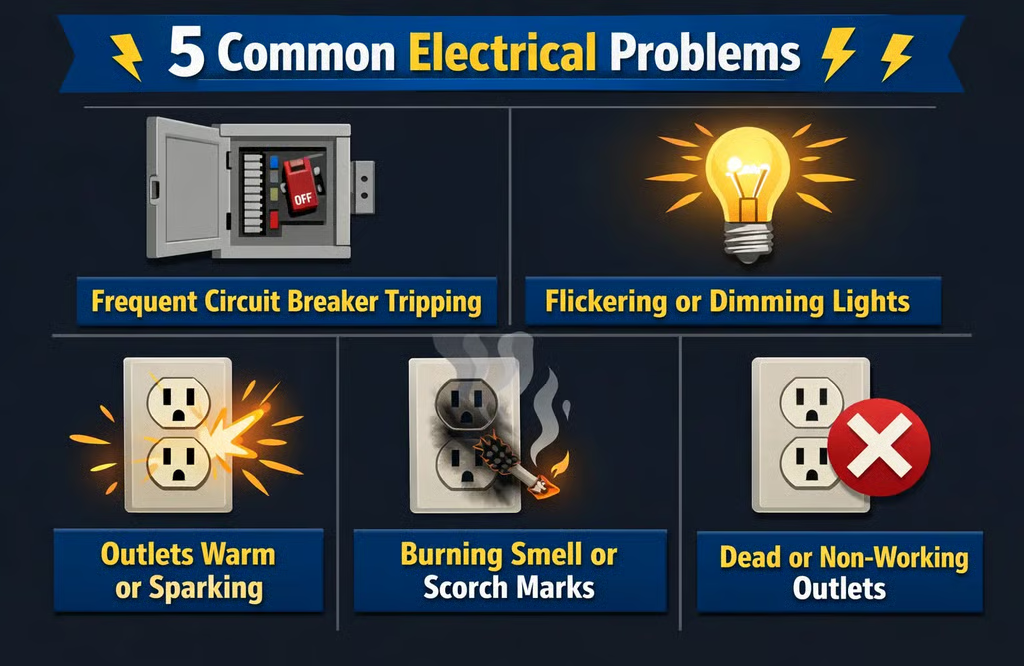
After extending or renovating your kitchen, adding lights above a new kitchen island is a great way to make the space look beautiful.
Good lighting can make a huge difference when you’re cooking, preparing food or sitting with family.
Before buying kitchen island lights, make sure your ceiling is strong enough to support their weight.
Do you need two or three lights? Will you need extra wiring? Keeping these little things in mind before choosing your lights can save you a lot of hassle later.
Another important thing people often forget is the height. It’s important to check how low the lights will hang so they don’t get in the way when you’re cooking or talking to someone across the island.
If you’re extending your kitchen and planning to add lighting above the island, it’s also worth checking whether the existing wiring or dimmer switch needs changing.
Follow this simple guide to understand how kitchen island lights are installed.
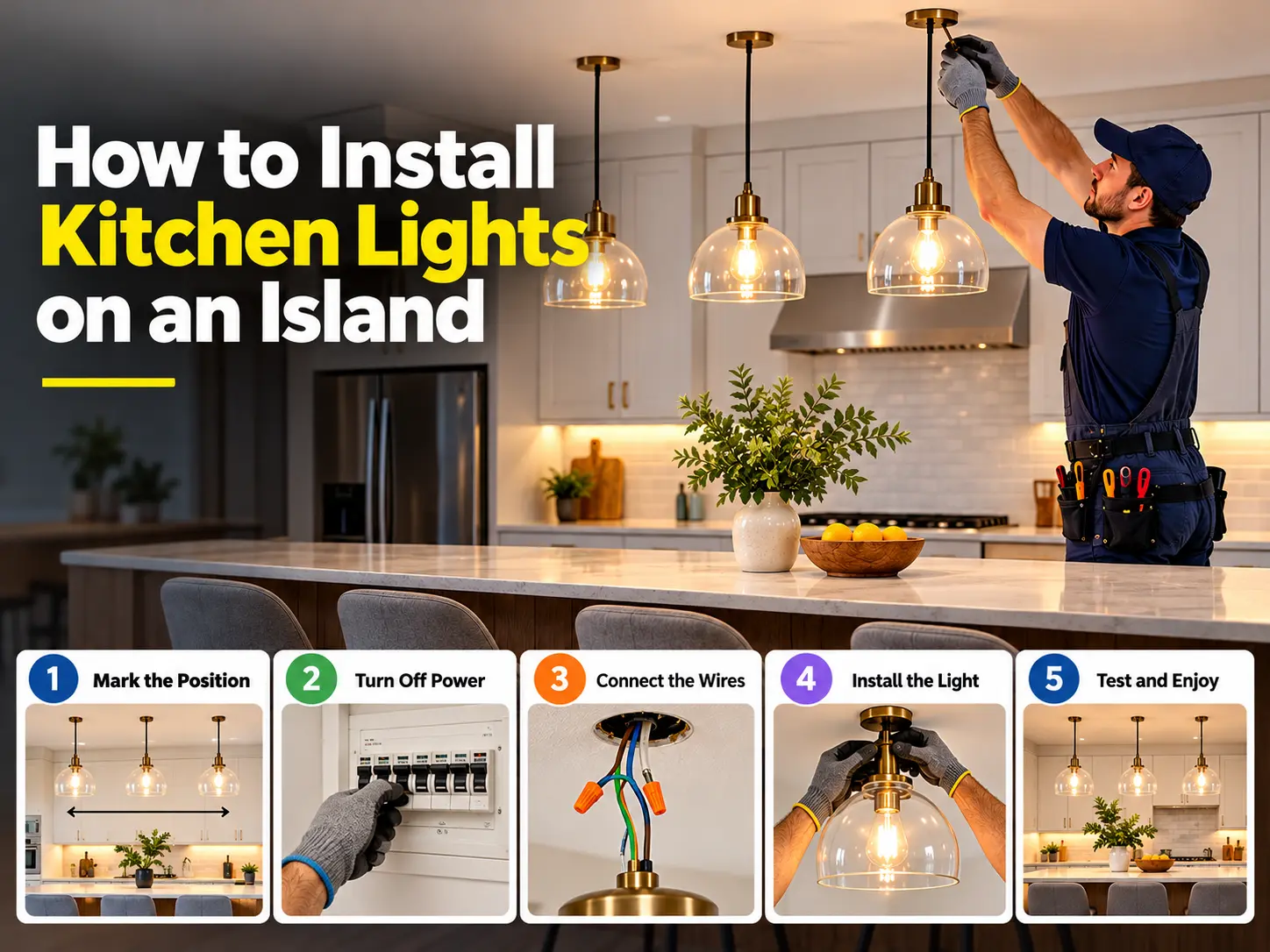
Top 4 steps to Install Kitchen Island Lights
Step 1: How Many Lights Do You Need Above Your Kitchen Island?
Start by measuring your kitchen island. A smaller island may only need one or two lights, while a larger island might look better with three.
Kitchen island length | Suggested lights |
Under 1.5 metres | 1–2 |
1.5–2 metres | 2 |
2–2.5 metres | 2–3 |
Over 2.5 metres | 3 or more |
Local Electrical Solution can help you choose suitable lighting positions for your kitchen.
Step 2: How High Should Kitchen Island Lights Be?
You don’t want your lights hanging too low or sitting too high. They should brighten the worktop without blocking your view.
What to check | General advice |
Height above worktop | Around 75–90cm |
Light spacing | Keep lights evenly spread |
Low ceiling | Choose shorter fittings |
Seating area | Keep views clear |
Step 3: Do You Need Extra Wiring for Kitchen Island Lights?
If you already have a ceiling light, the existing wiring might be suitable. However, adding more lights or moving them to another position may require extra cables.
Existing situation | What may be needed |
One ceiling light | Extra wiring |
No ceiling lights | New electrical supply |
Old wiring | Electrical inspection |
Heavy light fittings | Stronger ceiling support |
Local Electrical Solution can check your kitchen wiring before installation.
Step 4: How Are Kitchen Island Ceiling Lights Installed?
Installing kitchen lights involves more than simply fixing them to the ceiling.
A competent electrician will:
- Safely isolate the electrical supply and prove it is dead.
- Check the existing wiring and ceiling support.
- Measure and mark the light positions.
- Secure the light fittings.
- Connect the wiring and complete electrical safety testing.
Which LED Kitchen Island Lights Should You Choose?
Think about how you use your kitchen. Bright lighting can help with cooking, while softer lighting is often better for relaxing.
Light type | Best for |
Warm white | Eating and relaxing |
Neutral white | Cooking and food preparation |
Dimmable LED | Adjusting brightness |
Hanging lights | Lighting the worktop |
Frequently Asked Questions About Kitchen Island Lights
Can I add lights above my kitchen island?
Yes, it will give your kitchen island a fresh look.
How many kitchen island lights do I need?
It depends on the space. Generally, two or three lights work well.
How high should kitchen island lights hang?
Good question! It’s usually around 75–90cm above the worktop.
Can I use existing ceiling wiring?
In most cases, yes, but make sure it’s checked by a professional.
Are LED lights suitable for kitchen islands?
Yes, they can help you save energy and usually last longer.
Can I install three lights on one switch?
Yes, if the electrical circuit is suitable.
Why are my kitchen lights flickering?
Faulty lamps, wiring or dimmer switches may cause flickering.
Can kitchen island lights be dimmed?
Yes, with compatible lights and dimmer switches.
Which light colour is best for kitchens?
Warm white or neutral white lighting works well in kitchens.
Can lights be fitted to plasterboard ceilings?
Yes, with suitable fixings and enough support.
How Can I Prevent Kitchen Island Lights from Suddenly Losing Power in the Future?
To avoid sudden power loss, always check the quality of the lights before buying them. Get your wiring done by professionals so they can spot any potential dangers.
Never ignore flickering lights or signs of lights turning off unexpectedly. Always get them checked.
Call an local electrician if your kitchen lights stop working. Check all the other rooms in the house, check the fuse box and explain what you have found to the electrician.
Local Electrical Solution helps with kitchen lighting installation, repairs and electrical fault finding.