VIR– Vulcanised Indian Rubber Electrical Cables explained in simple terms, including uses, age issues, safety risks, UK regulations, and EICR inspection concerns.
VIR– Vulcanised Indian Rubber Electrical Cables were once a standard choice for electrical wiring in homes, shops, and industrial buildings, especially in older installations. While modern wiring materials have replaced them today, understanding VIR– Vulcanised Indian Rubber Electrical Cables is still extremely important—particularly for inspections, rewiring projects, and safety assessments.
If you own or work on an older property, chances are you may still come across VIR– Vulcanised Indian Rubber Electrical Cables hidden behind walls or within conduit systems.
What Are VIR– Vulcanised Indian Rubber Electrical Cables?
VIR– Vulcanised Indian Rubber Electrical Cables are electrical conductors insulated with rubber that has been vulcanised to improve strength and flexibility.
In simple words:
- The copper conductor sits at the centre
- It is insulated using vulcanised rubber
- The outer layer is usually protected by cotton braid
This type of wiring was widely installed before PVC cables became popular.
- VIR– Vulcanised Indian Rubber Electrical Cables were known for flexibility
- They were easy to install in tight spaces
- They performed well when new but degraded over time
What Should You Do If You Find VIR Electrical Cables?
If you suspect your property contains VIR electrical cables, do not try to pull, strip or test the wiring yourself. Old rubber insulation can become brittle with age, and disturbing it may cause further damage. The safest approach is to arrange an inspection by a qualified electrician who can assess the condition of the installation and determine whether remedial work is required.
How Can You Identify VIR Cable?
VIR wiring is normally found in older electrical installations and may have a rubber-insulated conductor with a cotton or fabric-based outer covering. However, identifying wiring purely from a visible section can be unreliable, particularly where cables have been altered or partially replaced over the years.
A qualified electrician, such as Local Electrical Solution, can inspect accessible wiring, accessories and distribution equipment and use appropriate electrical testing to establish the condition of the installation.
Look for warning signs such as:
-
Brittle, cracked or damaged insulation
-
Visible deterioration around accessories
-
Exposed copper conductors
-
Unusual smells or signs of overheating
-
Old electrical accessories and outdated protective equipment
-
Repeated electrical faults or circuit tripping
Do not remove electrical accessories simply to look for old wiring. Inspection and testing should be carried out safely by a competent professional.
Does VIR Wiring Always Mean the House Needs Rewiring?
Not necessarily. Finding VIR cable in an old house does not automatically mean that the entire property must be rewired immediately. The condition, extent and accessibility of the wiring need to be assessed.
If the insulation remains intact and the installation is otherwise satisfactory, an electrician may recommend monitoring or targeted remedial work. If the rubber insulation has deteriorated, conductors are exposed, or testing identifies significant defects, more extensive electrical work may be necessary.
A professional assessment is therefore more useful than making a decision based solely on the age of the cable.
What Happens During an Electrical Inspection?
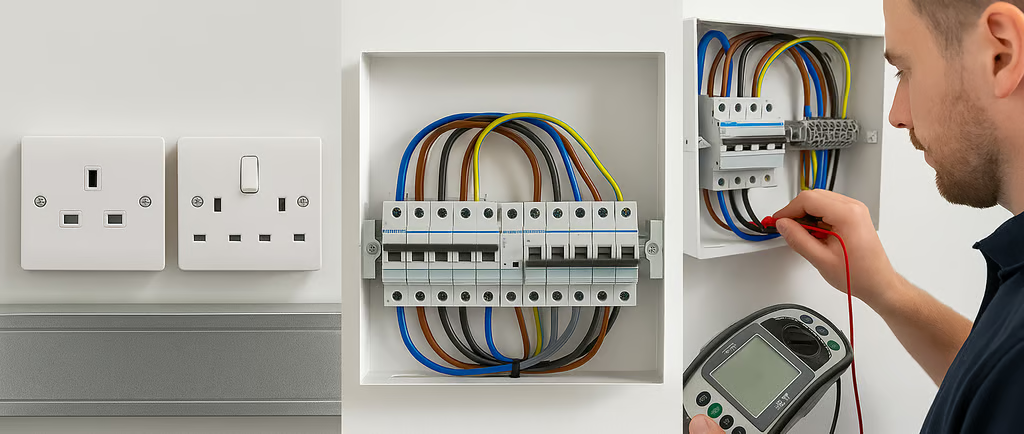
An electrician can assess the visible condition of the wiring and electrical accessories before carrying out appropriate tests. They may examine the consumer unit, protective devices, earthing arrangements, circuits, switches and socket outlets.
Where an EICR is required, the inspection provides a structured assessment of the electrical installation and identifies defects that may require attention.
The important point is that the presence of VIR cable should be considered alongside the condition of the complete electrical installation rather than treated as an isolated issue.
VIR Cable vs Modern PVC Cable
Modern electrical installations generally use more durable insulation materials, including PVC-based cable systems. Compared with deteriorating rubber insulation, modern cable materials provide improved resistance to the types of ageing associated with historic wiring.
However, simply replacing visible VIR cable is not necessarily enough. The electrician needs to consider the complete circuit, protective devices, earthing, connections and suitability of the installation.
Should Landlords Be Concerned About VIR Wiring?
Landlords should take old electrical wiring seriously because electrical safety is part of maintaining a safe rental property. If an inspection identifies deteriorated VIR insulation or other defects, appropriate remedial action should be considered based on the inspection findings.
The same principle applies to homeowners buying an older property. An electrical inspection can reveal issues that may not be visible during a normal house viewing.
What Is the Safest Next Step?
If you believe your property contains old VIR cable, avoid disturbing it and arrange a professional electrical inspection. Local Electrical Solution can help assess the condition of an older electrical installation and identify whether further investigation or remedial work is appropriate.
Do not assume that the wiring is safe simply because the lights and sockets currently work.
The key issue is not only how old the VIR cable is, but its present condition, how it has been installed, and whether the wider electrical system provides adequate protection. Early assessment can help identify deteriorated insulation and other electrical defects before they develop into a more serious safety problem.
VIR Cable Meaning and Full Form
To fully understand these cables, it helps to know their terminology.
- Vir cable meaning: A rubber-insulated electrical cable used in older wiring systems
- Vir cable full form: Vulcanised Indian Rubber cable
The term “Indian” refers to the rubber material source historically used, not the location of installation.
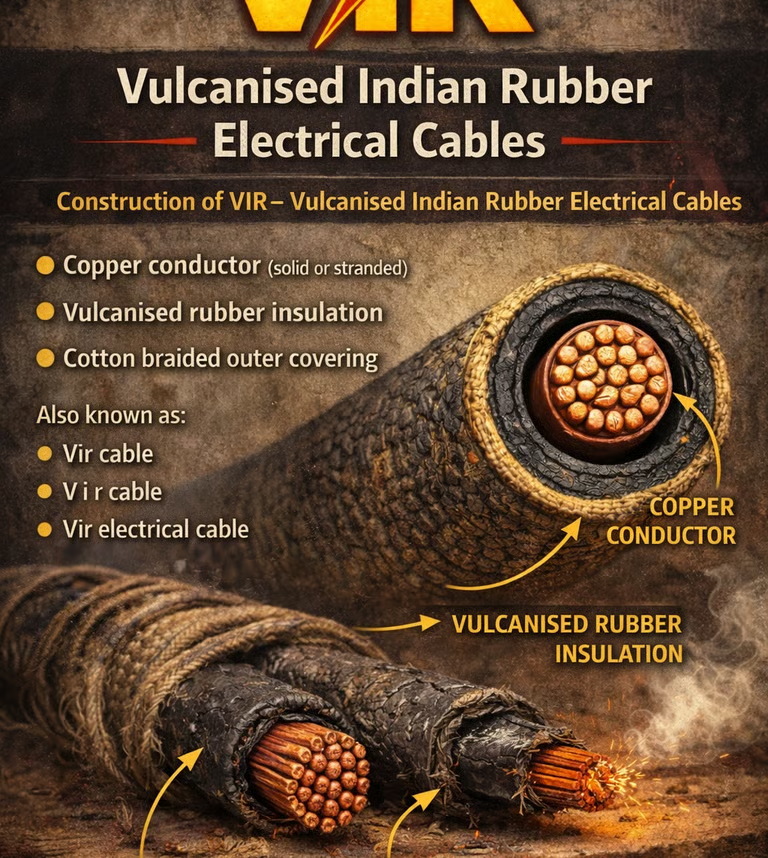
Construction of VIR– Vulcanised Indian Rubber Electrical Cables
VIR– Vulcanised Indian Rubber Electrical Cables are designed with a simple yet reliable structure that suited older electrical installations. The construction focuses on basic insulation and mechanical protection, which worked well at the time but is now considered outdated.
Main construction elements include:
- Copper conductor at the centre, either solid or stranded, used to carry electrical current
- Vulcanised rubber insulation surrounding the conductor to prevent electric shock and short circuits
- Cotton braided outer covering that provides light mechanical protection and helps hold the insulation in place
Beyond the physical structure, these cables are commonly known by different names in the electrical trade. Electricians may refer to them as Vir cable, V i r cable, or Vir electrical cable.
Despite the variation in wording, all of these terms describe the same type of cable. Understanding this construction is important when inspecting older properties, as the materials used can deteriorate with age and may no longer meet modern electrical safety standards.
VIR Cable Uses in the Past
When they were first introduced, VIR– Vulcanised Indian Rubber Electrical Cables were widely trusted.
Common vir cable uses included:
- Domestic lighting circuits
- Socket outlets
- Small commercial buildings
- Early industrial wiring systems
At the time, vir cables were considered durable and reliable.
Cotton VIR Cable and Its Role
One unique feature of VIR– Vulcanised Indian Rubber Electrical Cables is the outer cotton layer.
- Known as cotton vir cable, this braid:
- Provided mechanical protection
- Reduced wear during installation
- Helped hold insulation together
However, cotton also absorbs moisture, which later became a serious drawback.
VIR Cable Age and Deterioration
One of the biggest concerns today is vir cable age.
Over time:
- Rubber insulation becomes hard and brittle
- Cracks appear in the insulation
- Copper conductors may become exposed
Most old vir cables found today are well beyond their safe service life.
Safety Risks of Old VIR Cables
Using VIR– Vulcanised Indian Rubber Electrical Cables today can pose serious risks.
Common problems include:
- Insulation breakdown
- Increased fire risk
- Electric shock hazards
- Failure under modern electrical loads
This is why electricians treat vir cables with caution during inspections.
VIR Cable UK – Is It Still Allowed?
In the vir cable UK context, these cables are no longer considered suitable for new installations.
- VIR– Vulcanised Indian Rubber Electrical Cables are:
- Not compliant with modern wiring standards
- Often flagged during safety inspections
- Considered obsolete under current regulations
While not automatically illegal, they are strongly discouraged.
VIR Cable EICR Code and Inspection Results
During an Electrical Installation Condition Report (EICR), VIR– Vulcanised Indian Rubber Electrical Cables are usually highlighted.
Typical vir cable eicr code outcomes:
- C2 (Potentially dangerous)
- C3 (Improvement recommended)
Cracked insulation or exposed conductors almost always result in urgent remedial action.
Final Thoughts on VIR– Vulcanised Indian Rubber Electrical Cables
VIR– Vulcanised Indian Rubber Electrical Cables played an important role in the history of electrical installations. However, time has not been kind to them.
If your property still contains VIR Cables, it’s a clear sign that an electrical upgrade should be considered. Replacing them with modern wiring not only improves safety but also ensures compliance with today’s electrical standards.
In short, VIR Cables belong to the past—but understanding them is essential for protecting the present.