In an emergency? Call our team for a quick response +447544005547
5 Common Electrical Problems Homeowners Face in Nuneaton
Discover the 5 common electrical problems homeowners face in Nuneaton, from flickering lights to tripping fuse boxes, and learn when to call an expert.
Local Electrical Solutions
1/31/20268 min read
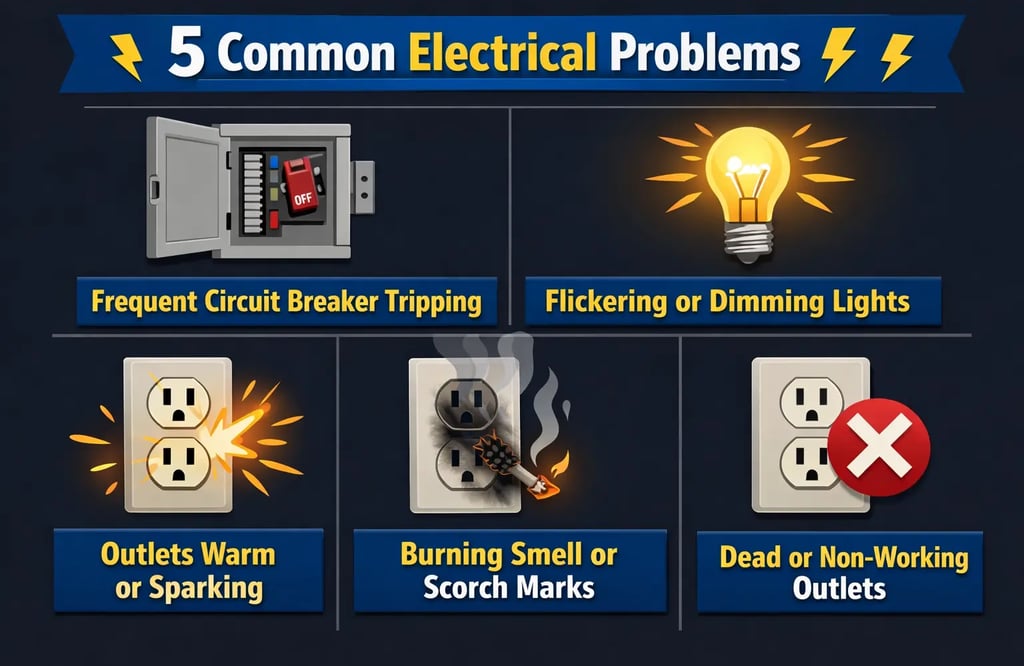
If you own a home in Nuneaton, chances are you’ve had at least one electrical issue over the years. It might have been something small, like a socket not working, or something more worrying, like lights flickering for no clear reason. Electrical problems are one of those things homeowners often ignore—until they suddenly can’t.
This guide looks at the 5 Common Electrical Problems Homeowners Face in Nuneaton, explained in plain English, without technical jargon. Whether you live in an older property or a newer build, understanding these issues can help you stay safe, avoid costly repairs, and know when it’s time to call a professional.
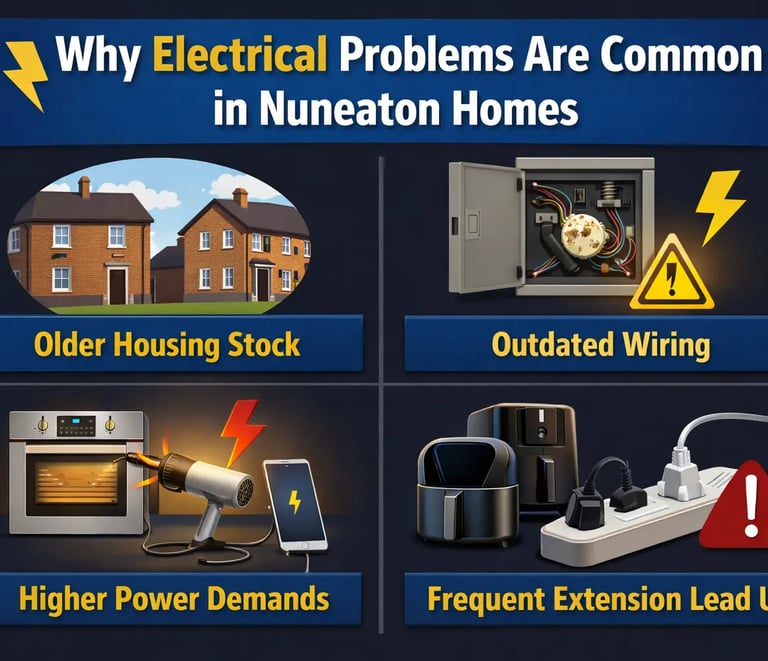
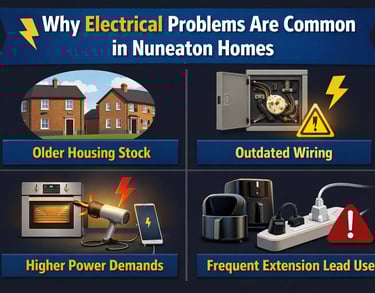
Why Electrical Problems Are Common in Nuneaton Homes
Nuneaton has a mix of property types. From older terraced houses to modern developments, each comes with its own electrical challenges.
Many older homes were wired decades ago, long before today’s electrical demands.
On the other hand, newer homes rely heavily on modern appliances, smart devices, and charging points, which can also stress electrical systems.
That’s why the 5 Common Electrical Problems Homeowners Face in Nuneaton are not limited to one type of property—they affect almost everyone at some point.
We Local Electrical Solution provides all kinds of electrician services, including repairs, installations, maintenance, and emergency call-outs for homes and businesses you can trust.
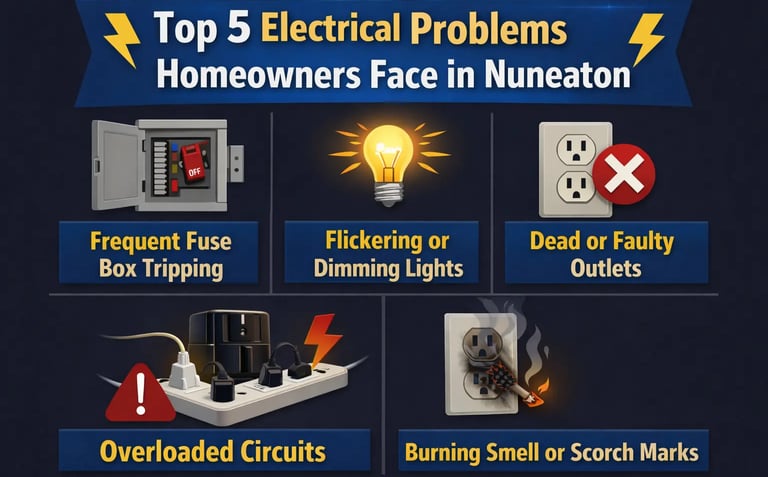
Top 5 Electrical Problems Homeowners Face in Nuneaton
Before we dive into the details, here’s a quick overview of what we’ll cover:
Frequent fuse box trips
Flickering or dimming lights
Faulty sockets and switches
Outdated or unsafe wiring
Each of these issues may seem minor at first, but they can become serious if left untreated.
Fuse Box Tripping
One of the most frustrating things for homeowners is a fuse box that keeps tripping. You reset it, everything works again… and then it trips once more.
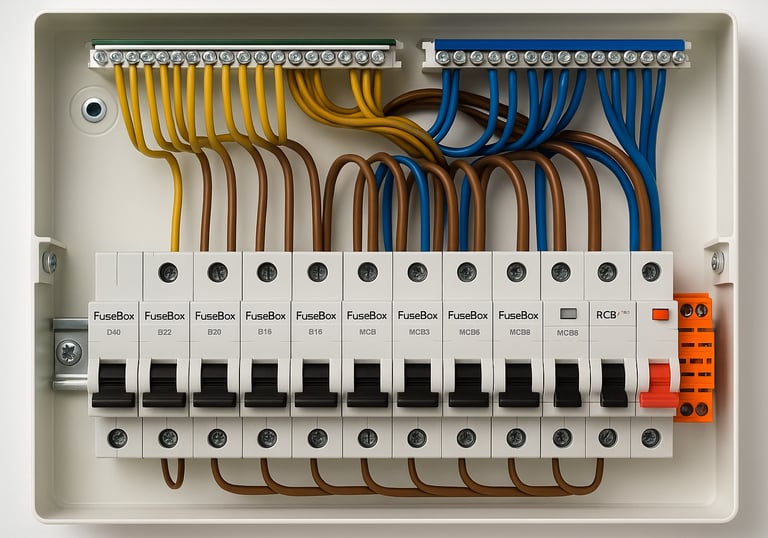
A fuse box keeps tripping to protect your home from electrical faults, overloaded circuits, or faulty appliances and should be checked by a qualified electrician.
This happens because your electrical system is trying to protect you.
An electric fuse box keeps tripping to prevent damage from overloaded circuits, faulty appliances, or wiring issues. Repeated tripping is a warning sign that your electrical system needs professional inspection.
Common reasons include:
Too many appliances running at once
A faulty appliance
A short circuit somewhere in the system
In many Nuneaton homes, especially older ones, the fuse box may not be designed to handle modern electrical loads. Washing machines, tumble dryers, electric showers, and kitchen appliances all draw a lot of power.
If your fuse box trips occasionally, it may not be urgent. But if it happens regularly, it’s a sign something isn’t right—and it shouldn’t be ignored. Trip switch on fuse box won’t stay up usually means a faulty appliance, overloaded circuit, or wiring issue that needs professional attention.
Flickering Lights
Why is my light bulb flickering? It usually happens due to loose wiring, a failing bulb, poor connections, or overloaded circuits. If flickering continues, it’s best to have an electrician inspect the issue for safety.
Flickering lights are more than just annoying. They’re often one of the first warning signs of a deeper electrical issue. A flickering light bulb can be dangerous if caused by loose wiring or overloaded circuits. While sometimes harmless, frequent flickering should be checked to prevent electrical faults or fire risks.
Flicker light bulbs often indicate loose wiring, faulty connections, or voltage issues and should be checked early to avoid electrical hazards.
You might notice:
Lights flicker when appliances turn on
Dimming lights in certain rooms
Lights that buzz or hum
In many cases, the problem is loose wiring, poor connections, or an overloaded circuit. In older Nuneaton properties, ageing wiring is a common cause.
While a single flickering bulb might just need replacing, repeated flickering across multiple rooms is not something to brush off. It’s one of the 5 Common Electrical Problems Homeowners Face in Nuneaton that can indicate a safety risk if left unresolved.
Faulty Sockets and Switches
Have you ever plugged something in and found the socket feels warm? Or pressed a switch and nothing happened?
Faulty sockets and switches are extremely common and often underestimated.
Warning signs include:
Cracked or discoloured sockets
Loose switches
Burning smells
Sockets that stop working suddenly
These issues are often caused by worn-out components or loose internal connections. Over time, wear and tear is unavoidable—especially in busy family homes.
Ignoring faulty sockets can increase the risk of electric shocks or even fire. That’s why this issue consistently appears on lists of the 5 Common Electrical Problems Homeowners Face in Nuneaton.
Overloaded Circuits
Overloading electrical circuits happens when too many appliances draw power from the same circuit at once. This can cause frequent tripping, warm sockets, and flickering lights. Over time, overloaded circuits increase the risk of overheating, electrical faults, and even fires. To keep your home safe, it’s important to spread electrical loads properly and have an electrician assess whether your wiring can handle modern power demands.
Modern homes use more electricity than ever before. Think about it—TVs, laptops, chargers, air fryers, coffee machines, and smart devices all running daily.
In many homes, especially older ones, the electrical system simply wasn’t designed for this level of demand.
Signs of overloaded circuits include:
Frequent tripping
Warm sockets
Buzzing sounds
Extension leads everywhere
Overloading circuits isn’t just inconvenient—it’s dangerous. It puts stress on wiring and increases the risk of overheating.
Outdated Wiring
Outdated wiring is one of the most serious yet hidden issues. Many homes still rely on old wiring systems that don’t meet modern safety standards.
Problems with outdated wiring include:
Increased fire risk
Poor efficiency
Incompatibility with modern appliances
You might not see the problem until something goes wrong. That’s what makes it risky.
If your home hasn’t been inspected in many years, an electrical safety check can identify hidden dangers early.
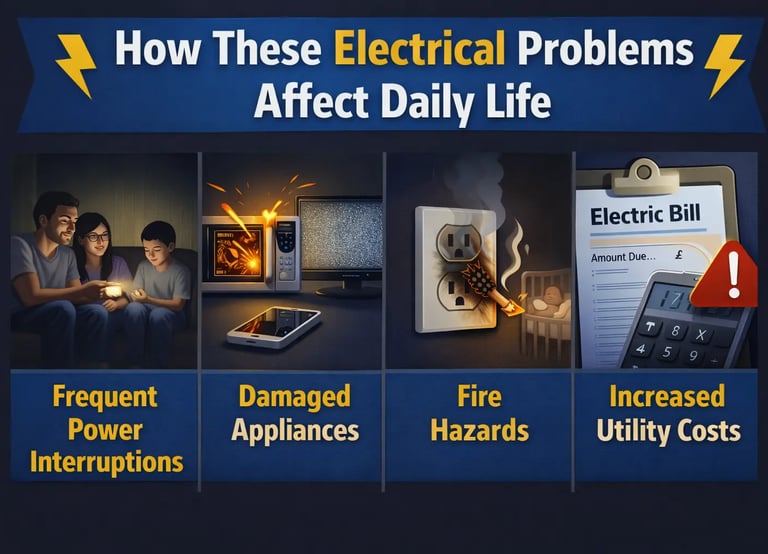
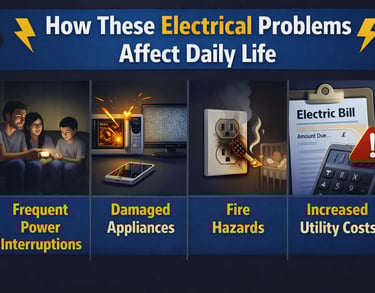
How These Electrical Problems Affect Daily Life
Electrical issues don’t just affect your lights and sockets—they affect your comfort, safety, and peace of mind.
Imagine:
Losing power while working from home
A kitchen appliance failing mid-use
Constant worry about safety
Small problems add stress, and big ones can lead to expensive repairs if ignored.
That’s why understanding the 5 Common Electrical Problems Homeowners Face in Nuneaton helps you stay one step ahead.
Final Thoughts for Nuneaton Homeowners
Electrical problems are part of home ownership, but they don’t have to become emergencies. By understanding the warning signs early, you can protect your home, your family, and your investment.
The 5 Common Electrical Problems Homeowners Face in Nuneaton may seem ordinary, but they all have one thing in common—they get worse when ignored.
If something doesn’t feel right, trust your instincts. Getting professional help early is always better than waiting for a bigger problem later.
Frequently Asked Questions For Common Electrical Problems Homeowners Face In Nuneaton
1. What does overloading an electrical circuit mean?
Overloading an electrical circuit means drawing more electricity than the circuit is designed to handle. This often happens when multiple high-power appliances run at the same time on one circuit. The wiring overheats, and safety devices like breakers trip to prevent damage. While the system is doing its job, repeated overloading is a warning sign that your electrical setup may not suit modern energy demands and needs professional attention.
2. What are the common signs of overloaded electrical circuits?
Common signs include frequently tripping breakers, flickering or dimming lights, buzzing sounds from sockets, and warm plug points. You may also notice extension leads being used excessively. These symptoms suggest your circuits are under strain. Ignoring them can lead to damaged wiring or appliances. If these signs appear often, it’s important to act early before the issue becomes a serious safety hazard.
3. Is overloading electrical circuits dangerous?
Yes, overloading electrical circuits is dangerous. When circuits carry too much current, wiring can overheat, increasing the risk of electrical fires. Even if breakers trip, repeated overheating can damage insulation inside walls where problems are harder to detect. Over time, this hidden damage can become severe. That’s why circuit overloading should never be treated as a minor inconvenience—it’s a genuine safety concern.
4. What causes electrical circuits to overload in homes?
Electrical circuits overload mainly due to increased appliance usage. Modern homes use devices like electric showers, ovens, air fryers, heaters, and chargers simultaneously. Older homes were not designed for this demand. Plugging many devices into one socket or relying heavily on extension leads also contributes. Sometimes, poor wiring design or outdated fuse boxes make the problem worse, even in newer properties.
5. Can extension leads cause circuit overloading?
Yes, extension leads are a common cause of circuit overloading. While they provide convenience, they don’t increase a circuit’s capacity. Plugging several appliances into one extension lead concentrates electrical demand on a single circuit. This can cause overheating, tripping, or even melting of plugs. Extension leads should only be used temporarily, not as a permanent solution to power shortages in your home.
6. Why does my fuse box trip when I use multiple appliances?
Your fuse box trips because it detects unsafe electrical demand. When multiple appliances run together, the circuit exceeds its safe limit. The breaker shuts off power to prevent overheating and damage. While resetting the switch restores power, repeated tripping means the circuit is overloaded. This is your system warning you that it needs upgrading or redistribution of electrical loads.
7. Can overloading electrical circuits damage appliances?
Yes, overloaded circuits can damage appliances. Fluctuating voltage and sudden power cuts caused by tripping breakers put stress on electrical components. Over time, this can shorten appliance lifespan or cause sudden failure. Sensitive electronics like televisions, computers, and smart devices are especially vulnerable. Stable electrical supply is essential for protecting both your wiring system and your valuable household appliances.
8. How can I prevent overloading electrical circuits?
You can prevent overloading by spreading appliance usage across different sockets and circuits, avoiding excessive use of extension leads, and unplugging unused devices. Scheduling high-power appliances to run at different times also helps. Most importantly, have a qualified electrician assess your electrical system. They can upgrade circuits, add new ones, or modernise your fuse box to safely handle your household’s needs.
9. Do older homes have a higher risk of circuit overloading?
Yes, older homes are at higher risk because their wiring was designed for fewer electrical devices. Many were built before modern appliances became common. Without upgrades, these systems struggle under today’s power demand. Older fuse boxes, limited circuits, and ageing wiring all increase the chance of overloading. Regular inspections and upgrades are essential for keeping older homes safe and compliant.
10. When should I call an electrician for overloaded circuits?
You should call an electrician if breakers trip frequently, sockets feel warm, lights flicker often, or you rely heavily on extension leads. If the issue keeps returning after resetting the fuse box, it’s time for professional help. An electrician can identify the root cause, upgrade circuits if needed, and ensure your home’s electrical system is safe, efficient, and suitable for modern living.
Services
Reliable electrical solutions for homes and businesses.
Contact
Support
+447544005547
© 2026. All rights reserved.
99 Delamere Rd, Bedworth CV12 8SG, United Kingdom
Local Electrical Solution