In an emergency? Call our team for a quick response +447544005547

What is a consumer unit
Learn what is a consumer unit, how it protects your home, controls circuits, prevents electric shocks, and why upgrading an old fuse box improves safety.
Local Electrical Solution
1/25/202612 min read
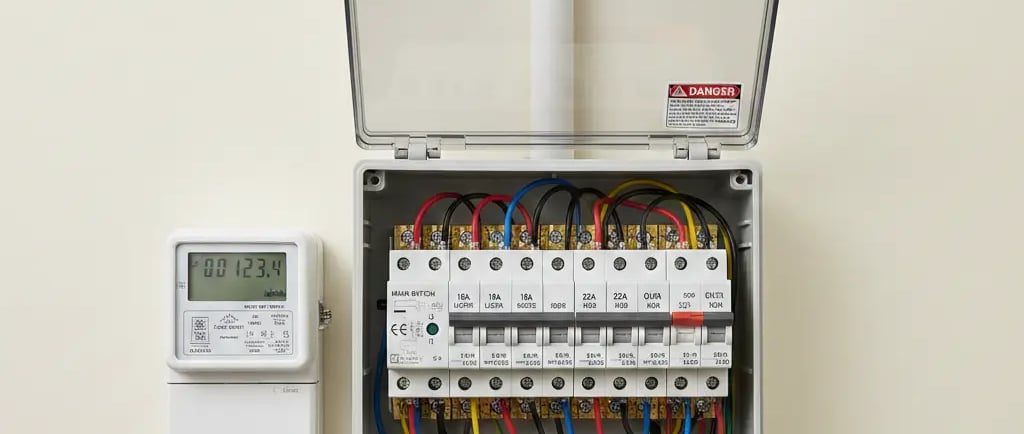
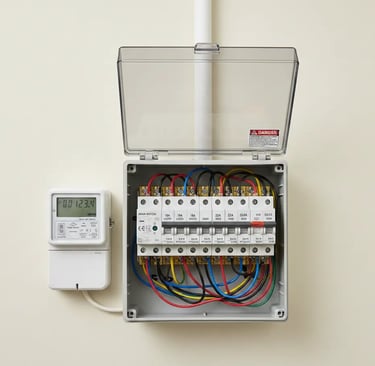
What is a consumer unit, really? And why does it matter more than you think? Most people don’t think about their consumer unit. It sits quietly in a cupboard, under the stairs, or in the garage, doing its job every single day. A consumer unit is the main electrical control box in your home.
Until it doesn’t.
That’s usually when the panic starts.
I’ve had calls from people saying, “My whole house went dark”, or “Something tripped and now half the sockets don’t work”. And nine times out of ten, it all leads back to one place—the consumer unit.
What Is a Consumer Unit?
The consumer unit is the main electrical control box in your property. As an electrician or homeowner, it is important to know about the consumer unit in your property. We Local Electrical Solution with over 5+ years of experience in the industry of electrical repairs.
We are certified electricians in the United Kingdom and well-educated about the consumer unit. We will educate you about what is a consumer unit, In this guide will tell you everything about the consumer unit with our years of experience.
Let's start with the basics of your typical UK electrical consumer unit. Do you know the incoming voltage in the UK is now 230V, not 240V? Yes, it's right because 230V is now standard all around the world.
The main current comes in the consumer unit, which is sometimes called a distribution board or even called the fuse box, but the fact is that these days there are no fuses in it.
The Consumer unit is basically made of a metal body. Why is it made of metal? It does not burn in the fire, but in many old houses of the United Kingdom, where we did electrical jobs, we saw that many consumer unit cases are made of plastic.
Why the Consumer Unit Is More Important Than You Realise
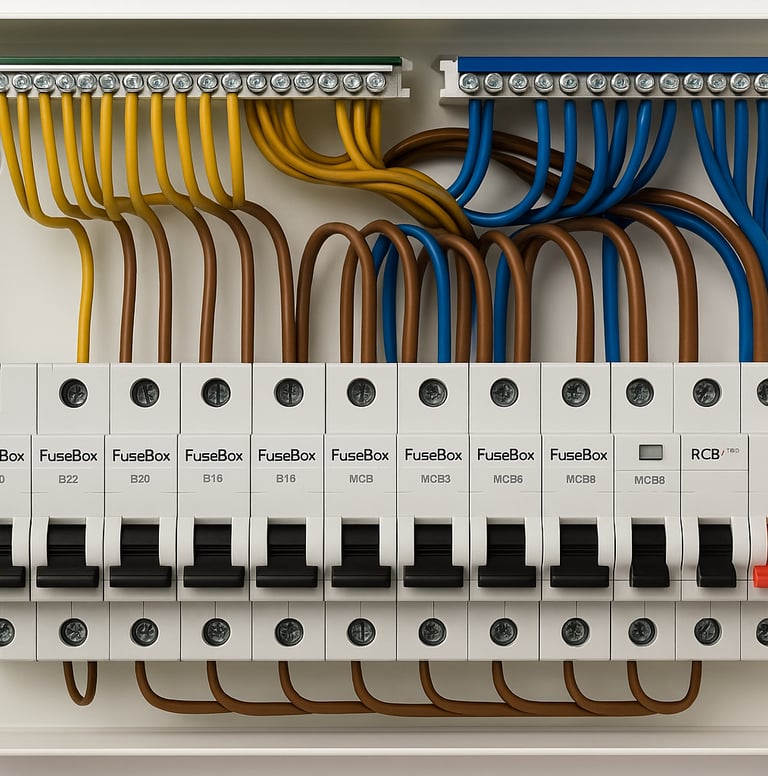
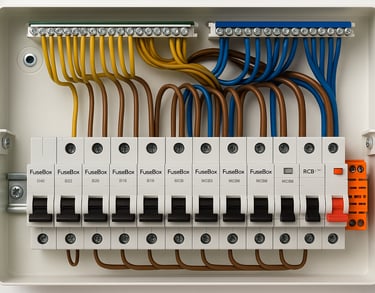
The Main advantage of the consumer unit is to split the incoming supply into lots of individual circuits that radiate all around the property and feed things like lights, sockets, or individual home appliances like an electric oven, washing machine, TV, and dishwashers.
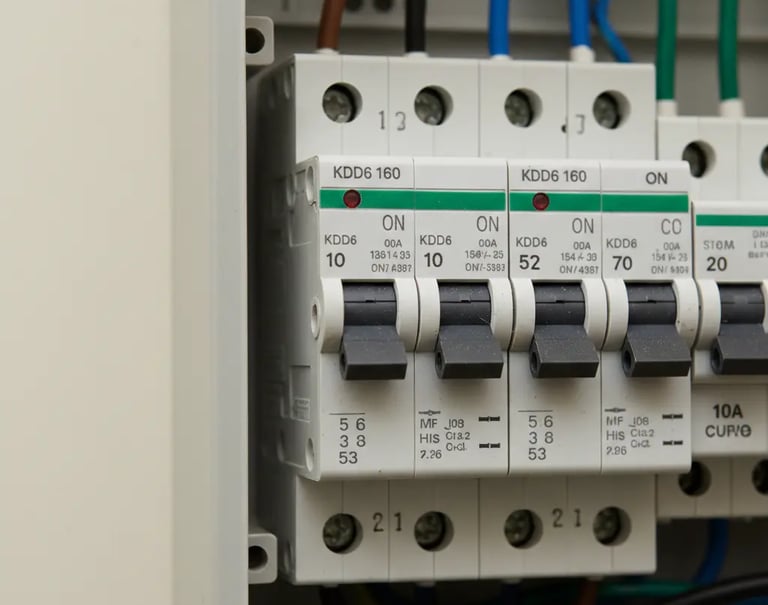
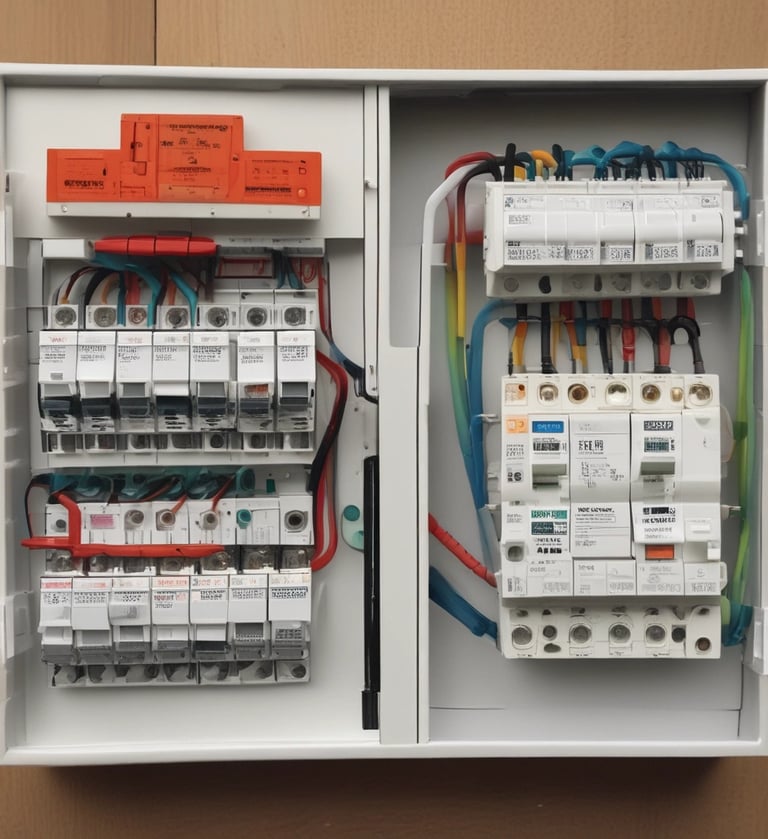
Inside the consumer unit, there are a number of circuits which are called MCBs, which are Miniature Circuit Breakers. Each one is for the circuit in your property. These are more sensitive than those old fuses in the old houses. It will trip quickly as compared to the old ones. Each MCB is related to a different circuit around the home.
All of the MCBs are equal to the 230V; each of them is designed to take a different load, with lights needing less load, which are on 6 AMP, and the heavy load appliance like an electric hob.
Fuse Box vs Consumer Unit
People still say “fuse box,” and honestly, I get it. That’s what most houses had for decades. Even today, when I walk into an older property, the homeowner often points to a dusty cupboard and says, “That’s the fuse box, right?”
And that’s where the conversation usually starts.
At Local Electrical Solution, we’ve seen a huge number of old fuse boxes in older houses over the last few years. In 2024 and 2025, they were common. In 2026, we’re still finding them — especially in properties that haven’t been touched since the early 90s. Some look fine from the outside. Inside? That’s a different story.
This is usually when people ask, what is a consumer unit, and why it’s not the same thing.
The real difference between a fuse box and consumer unit comes down to how fast they react and how well they protect you. Older fuse boxes rely on rewireable or cartridge fuses. When something goes wrong, they heat up slowly before blowing. That delay might not sound like much, but in electrical terms, it’s dangerous.
I’ve opened fuse boxes where the cable insulation had already started melting. No tripping. No warning. The homeowner had no idea. That’s not rare. That’s common.
One job last year really stuck with me. A family called us because their lights kept flickering. Inside the fuse box, we found loose wiring and signs of overheating. There was no RCD protection at all, which meant there was zero protection against electric shock in the home. If someone had touched the wrong appliance at the wrong time, the result could’ve been seriouse.
This is where modern systems change everything.
A consumer unit doesn’t wait for heat. It reacts instantly. Modern setups use MCBs, RCDs, or RCBOs that trip in milliseconds. That speed is what saves lives. When people ask what is a consumer unit, I tell them it’s not just an upgrade — it’s active safety.
With a modern consumer unit with RCD protection, electricity is constantly monitored. The moment it flows where it shouldn’t, power is cut. No delay. No guessing.
Over the last few years, especially in 2026, we’ve replaced dozens of old fuse boxes with metal consumer unit installations. In almost every case, the homeowner says the same thing afterward: “I didn’t realise how unsafe the old one was.” That reaction never changes.
Another big improvement is RCBO consumer units for individual circuits. Instead of half the house going off, only the faulty circuit trips. It’s cleaner, safer, and far less stresfull.
Older fuse boxes simply can’t offer the same electrical safety in older houses. They were designed for a time when homes had fewer appliances and lower demand. Today’s houses need better control, better protection, and better reliability.
So when someone asks again, what is a consumer unit, the answer is simple. It’s the modern replacement for a fuse box — and it’s one of the most important safety upgrades you can make.
And after seeing what we’ve seen inside old fuse boxes over the last few years?
I wouldn’t live with one.
What’s Inside a Modern Consumer Unit?
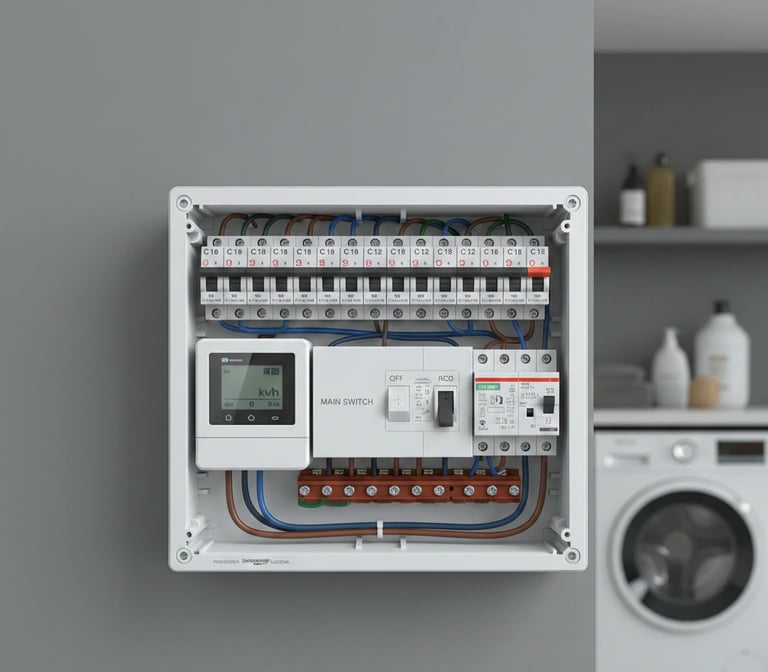
The first time I opened a modern consumer unit, I remember thinking how calm and organised it looked compared to the old fuse boxes I grew up seeing. Everything had a place. Nothing felt rushed or dangerous.
Inside, you’ll usually find MCBs for individual circuits, neatly lined up to control lights, sockets, and appliances. Then there’s RCD protection for electric shock, which is the real lifesaver. These devices don’t wait around — they cut power instantly when something isn’t right. Many newer setups also include RCBOs for circuit-level protection, meaning one fault doesn’t knock out half the house.
One job last winter really stuck with me. A customer kept losing power in the kitchen. Inside the unit, the main isolator switch was doing its job perfectly, while the RCBO showed us exactly which circuit had the fault. No guesswork. No stress. That’s when you really appreciate proper circuit protection in homes — quiet, reliable, and always ready when you need it.
Where Is the Consumer Unit Located?
The funny thing is, most people walk past their consumer unit every single day and don’t even realise it’s there. I’ve lost count of how many times I’ve asked a homeowner where theirs is, only to hear, “I think it’s… somewhere?” That’s usually when we start opening cupboards and moving things around.
If you’ve ever wondered what is a consumer unit, the next question naturally becomes where it actually lives in your home. And honestly, the answer isn’t always clear.
In most UK houses, you’ll find the consumer unit under the stairs, tucked away in a hallway cupboard, or fixed near the front door. Newer builds often place it neatly in a utility room or garage. Older properties can be more intresting. I’ve seen units hidden behind coats, shoe racks, and once even behind an old mirror. That kind of setup isn’t ideal, especially when quick access really matters.
From a safety point of view, consumer unit location in UK homes is never random. It needs to be easy to reach, well-ventilated, and not blocked by storage. During emergencies, fumbling around boxes is the last thing anyone wants. Proper access to the consumer unit can genuinely save time when something trips suddenly.
One job really stayed with me. A customer kept losing power late at night. The electrical fuse box under stairs was completely buried behind cleaning supplies and old paint tins. When we finally got to it, the issue was obvious. Since then, I always tell people to keep that area clear, even if it means less storage.
Garages are another common spot. Units are often installed close to the main supply, which makes sense. But moisture can be a problem. Without proper sealing, it can cause future faults. Hallway cupboards are popular too, but I’ve seen doors swell over time and jam shut, making isolation difficult. That’s usually when people ask again, what is a consumer unit, and why placement is so important.
Modern regulations also focus on safe placement of consumer units, especially in rental properties. Inspectors look closely at accessibility and visibility. Poor positioning can fail checks quikly.
So if you’re not sure where yours is, now’s the right time to check. Knowing what is a consumer unit isn’t just about what’s inside the box — it’s about knowing where it is when you need it most.
Signs You Need a New Consumer Unit
Most people don’t wake up thinking their consumer unit needs replacing. It usually creeps up quietly. I’ve seen it start with something small — a socket stops working, a breaker trips once or twice, and then everyone just… ignores it.
One of the biggest red flags is frequent tripping. If you’re constantly resetting switches, that’s not “normal use.” It often points to consumer unit tripping issues that shouldn’t be brushed off. Another warning sign is an old-style fuse box. If you’re still dealing with rewireable fuses, you’re missing out on modern electrical safety protection.
I once visited a house where there was a faint burning smell near the cupboard. Inside, the unit had loose connections and zero RCDs. The owner had no idea they lacked RCD protection for electric shock — and that’s a scary position to be in.
Buzzing sounds, warm surfaces, or failed inspections are also serious signs. A poor result on an electrical safety inspection report usually means upgrades aren’t optional anymore.
If something feels off, trust that instinct. Electrical problems rarely fix themselves — they usually get worse when ignored.
How much does it cost for a new consumer unit?
This is usually the first question people ask once they realise an upgrade is needed. And honestly, the answer depends on more than just the box itself. The cost of replacing a consumer unit in the UK varies based on how many circuits your home has, the condition of the existing wiring, and the level of protection you choose.
From real jobs I’ve seen, most homeowners pay somewhere between £400 and £800 for a full upgrade. That price usually includes testing, certification, and proper installation. One real fact many people don’t know: a consumer unit change isn’t just a swap — electricians are required to fully test every circuit before and after the install.
Choosing RCBOs instead of basic breakers can increase the price of a consumer unit upgrade, but it also improves safety and convenience. The labour cost for consumer unit installation and the type of consumer unit used also affect the final figure.


Know More About Electrical Read Our Most Latest Blogs
Also read our most recent blogs
Frequently Asked Questions For Consumer Unit
1. What is a consumer unit?
A consumer unit is the main electrical control box in your home. All electricity passes through it before reaching lights, sockets, and appliances. It splits power into circuits and protects them from faults. If something goes wrong, it trips to stop danger. Most people only notice it when power cuts happen, but it works quietly every day to keep your home safe from electric shocks and fire risks.
2. How much does it cost for a new consumer unit?
The cost for a new consumer unit usually ranges between £400 and £800 in the UK. The final price depends on how many circuits your home has and the type of protection used. Units with RCBOs and surge protection cost more but offer better safety. Testing and certificates are normally included. It’s not just a box change — it’s a full safety upgrade.
3. What is the difference between a consumer unit and a fuse box?
A fuse box is the old version of a consumer unit. Fuse boxes use rewireable or cartridge fuses and react slowly to faults. A modern consumer unit uses breakers and safety devices that trip instantly. Consumer units offer much better protection against electric shock and fire. In short, fuse boxes are outdated, while consumer units are designed for modern homes and safety standards.
4. Is an RCD a consumer unit?
No, an RCD is not a consumer unit. An RCD is a safety device inside a consumer unit. Its job is to cut power quickly if electricity flows where it shouldn’t, like through a person. The consumer unit is the full box that holds RCDs, breakers, and switches. Think of the RCD as one part of the whole safety system.
5. Can I install my own consumer unit?
No, installing a consumer unit is not a DIY job. It must be fitted by a qualified electrician. The work involves high risk and must meet UK electrical regulations. It also needs proper testing and certification. If it’s installed incorrectly, it can cause serious danger or fail inspections. Always use a registered electrician for this type of work.
6. How much to install a 3 phase consumer unit?
Installing a 3 phase consumer unit usually costs more than a standard one. Prices often start from £1,000 and can go higher depending on the setup. These units are common in commercial buildings or large homes. The cost includes specialist equipment, extra testing, and more complex wiring. A site survey is normally needed before giving an exact price.
7. Do I have to replace my old consumer unit?
You don’t always have to replace it just because it’s old. But if it has no RCD protection, fails an inspection, or shows signs of damage, replacement is strongly recommended. Old fuse boxes don’t meet modern safety standards. If you’re renting, selling, or doing major electrical work, upgrading often becomes necessary for safety and compliance.
8. How much to rewire a 4 bedroom house?
Rewiring a 4 bedroom house usually costs between £4,000 and £8,000 in the UK. The price depends on house size, access, and how much work is needed. This includes new wiring, sockets, switches, and testing. Rewiring is a big job but improves safety and reliability. A new consumer unit is often fitted as part of the work.
9. Does every house have a consumer unit?
Yes, every house has some form of consumer unit or fuse box. Older homes may still have fuse boxes, while newer ones have modern consumer units. It’s the main point where electricity is controlled and protected. If you’re not sure where yours is, check under the stairs, in a cupboard, or near the front door.
10. Who can replace a consumer unit?
Only a qualified and registered electrician should replace a consumer unit. They must follow UK wiring regulations and provide testing certificates after the work. This ensures the unit is safe and legal. Using an unqualified person can be dangerous and may cause insurance or legal problems later. Always check credentials before hiring an electrician.
11. Can I add another consumer unit?
Yes, in some cases another consumer unit can be added. This is common in extensions, garages, or garden buildings. The electrician will check if the main supply can handle it. Adding a second unit can make fault finding easier and improve safety. It must be properly designed and tested to meet regulations.
12. How long does it take to replace an electric consumer unit?
Replacing a consumer unit usually takes one full day. This includes removing the old unit, fitting the new one, testing all circuits, and issuing certificates. If wiring problems are found, it may take longer. Power will be off for several hours, so electricians normally plan carefully to reduce disruption.
13. How much does an electrician charge to change a consumer unit?
Electricians usually charge between £400 and £800 for changing a consumer unit. This includes labour, testing, and certification. The price depends on the number of circuits and the type of unit installed. Cheaper quotes may skip important safety steps, so it’s better to focus on quality, not just price.
14. What size consumer unit for a 3 bedroom house?
A 3 bedroom house usually needs a consumer unit with 10 to 14 ways. This allows space for lighting, sockets, cooker, shower, and future upgrades. Electricians often recommend extra capacity so you don’t run out of space later. The exact size depends on how many circuits and appliances the house has.
15. Can you change a consumer unit without rewire?
Yes, in many cases you can change a consumer unit without rewiring the whole house. As long as the existing wiring is in good condition and passes tests, only the unit needs replacing. If wiring fails safety tests, rewiring may be required. An electrician will always test first before deciding.
Services
Reliable electrical solutions for homes and businesses.
Contact
Support
+447544005547
© 2026. All rights reserved.
99 Delamere Rd, Bedworth CV12 8SG, United Kingdom
Local Electrical Solution