In an emergency? Call our team for a quick response +447544005547
How to Wire an Electric Cooker Safely – Homeowners Guide
Learn how to wire an electric cooker safely with expert tips, safety advice, and professional guidance for homeowners in the UK.
Local Electrical Solution
1/31/20266 min read
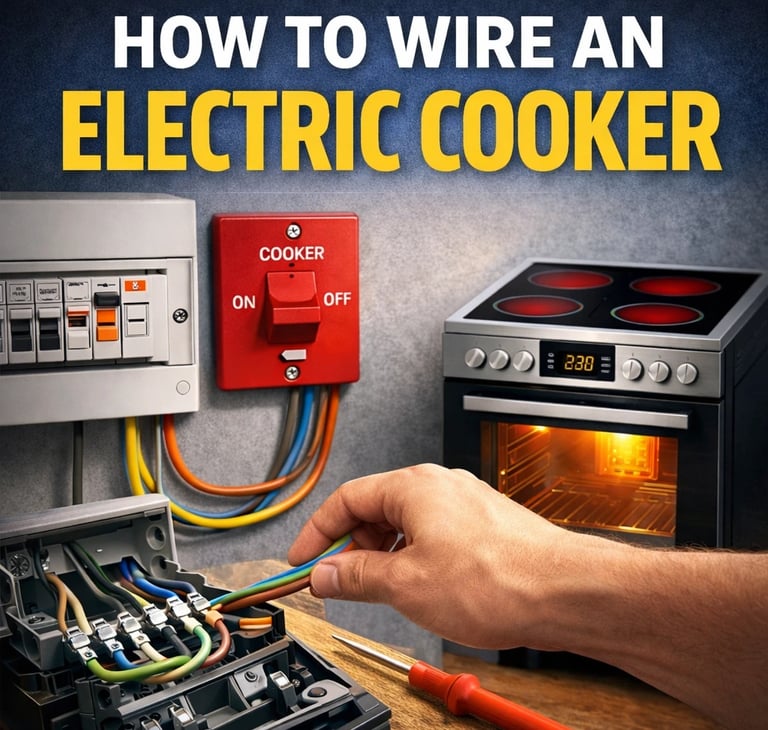
If you’re a homeowner in the UK, you’ve probably asked yourself at some point, how to wire an electric cooker safely. Electric cookers are high-power appliances that require proper circuits, switches, and protection from the fuse box. Attempting to connect one without knowing the right procedures can be risky. In this guide, we’ll walk you through everything you need to know, from the basic requirements to safety tips, so you can ensure your home is safe and compliant.
Electric cookers are common in many kitchens, but installing one isn’t just about plugging it in. Understanding the electric cooker installation requirements, knowing the risks, and hiring a qualified professional when needed can save you from hazards and costly mistakes.
Why You Need Professional Help When Wiring an Electric Cooker
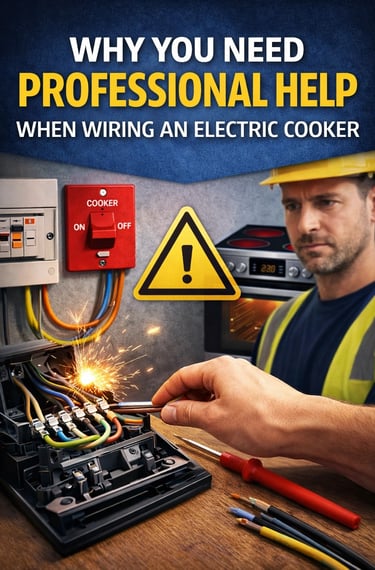
When homeowners think about how to wire an electric cooker, it often seems like a simple task — just connecting a few wires and plugging it in. However, the reality is far from that. Electric cookers are high-current appliances that draw a significant amount of power, and even a small mistake during installation can lead to serious issues. Common problems from improper wiring include tripping breakers, blown fuses, damaged cooker components, or in extreme cases, electrical fires that can put your entire home at risk.
Correct installation involves more than just the connections. It requires using the right cable size, installing a dedicated cooker isolation switch, and ensuring the circuit breaker is rated correctly to handle the load. Additionally, all work must comply with local wiring regulations in the UK, which are designed to protect your home and family from electrical hazards.
Hiring a professional electrician is the safest and most reliable approach. Qualified electricians bring experience, knowledge of current regulations, and the right tools to ensure the cooker is installed securely and safely. They can also identify potential issues with your existing wiring that you may not notice, preventing future problems.
By calling in a professional, you not only guarantee that your electric cooker operates efficiently but also gain peace of mind knowing your kitchen’s electrical system is safe and reliable. Safety, compliance, and long-term performance are worth every penny when it comes to wiring an electric cooker.
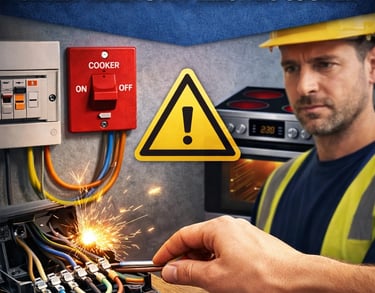
Electrical Requirements for Wiring an Electric Cooker
Before considering how to wire an electric cooker, you should know the electrical requirements. Cookers draw a lot of power, often up to 32 amps, so they need a dedicated circuit from your consumer unit.
Key requirements include:
Dedicated cooker circuit: Electric cookers must have their own circuit; sharing one with other appliances is dangerous.
Correct cable size: Typically, 6mm² twin and earth cable is used for most 32A cookers.
Cooker control switch: A local isolation switch should be installed near the cooker for safety.
RCD protection: Modern kitchens require protection from earth faults to avoid shocks.
Even if you understand the theory, attempting the connection without training is risky. A small mistake in any of these steps can result in electrical hazards.
Common Mistakes When Homeowners Try to Wire an Electric Cooker
Many homeowners attempt to solve the question of how to wire an electric cooker themselves, but common mistakes can be dangerous.
Some frequent errors include:
Using the wrong cable size, which can overheat.
Not installing an isolation switch, which makes it unsafe to disconnect the cooker.
Overloading the circuit by combining it with other appliances.
Incorrect connections that cause tripping or damage to the cooker.
Ignoring regulations and safety standards, putting insurance and safety at risk.
Understanding these mistakes highlights why professional installation is recommended. Even experienced DIYers may underestimate the risks.
Signs Your Electric Cooker Wiring Might Be Incorrect
If you’ve recently installed a cooker or moved into a new home, certain signs indicate the wiring may be wrong:
Frequent tripping of the fuse box or breaker.
Lights flickering or dimming when the cooker is in use.
Sockets or switches becoming warm to touch.
Strange smells like burning plastic or wires.
Cooker not heating evenly or not functioning properly.
If you notice any of these, it’s crucial to stop using the appliance and call a professional.
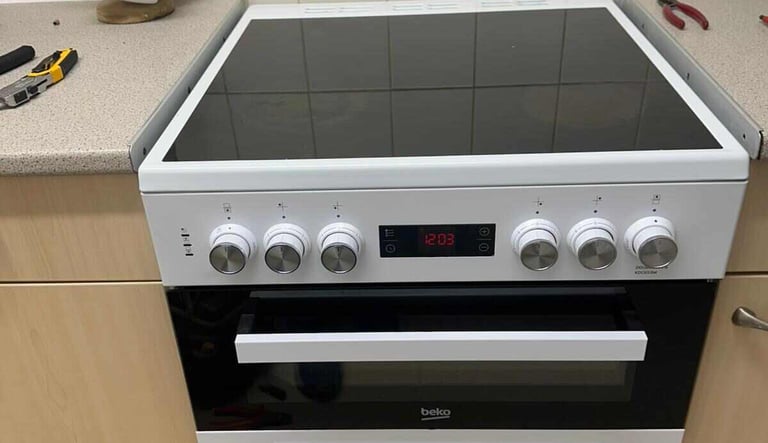
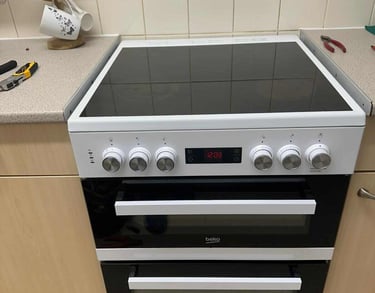
Step-by-Step Safety Approach
While we won’t provide direct wiring steps for safety reasons, here’s a safe approach to understand how to wire an electric cooker:
Check the rating: Know your cooker's amperage and voltage.
Plan the circuit: Identify a dedicated route from your consumer unit.
Hire a professional: A qualified electrician will ensure the correct cable, breaker, and switch.
Test the installation: After installation, your electrician will test the cooker circuit.
Maintain regularly: Periodic checks prevent hazards.
This approach educates homeowners without risking safety or breaking regulations.
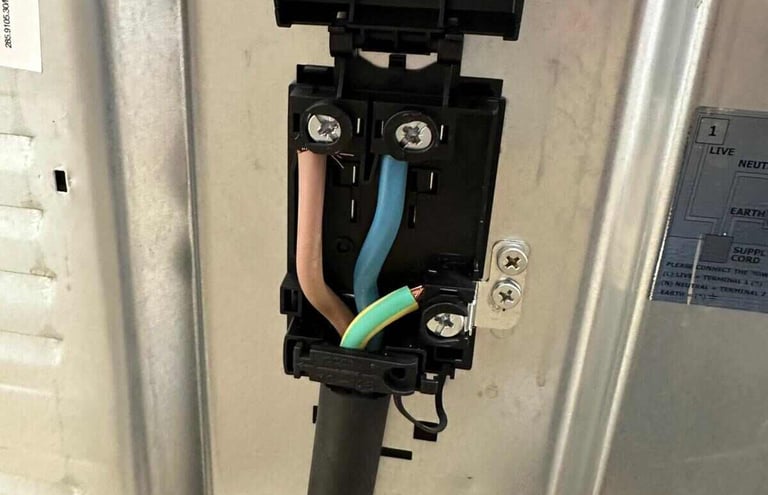
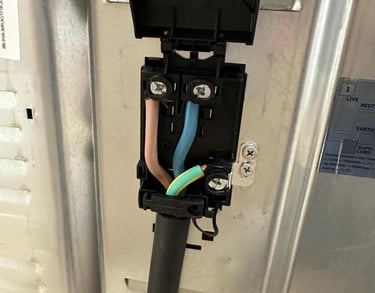
Frequently asked questions for how to wire an electric cooker
1. Can I wire an electric cooker myself?
It’s not recommended for homeowners to wire an electric cooker themselves. Cookers use high-current circuits, and any mistake can lead to fires, tripped breakers, or damaged appliances. For electric cooker safety, it’s best to hire a qualified electrician. Professionals ensure the correct cable size, isolation switch, and circuit breaker are used, keeping your kitchen safe and compliant with UK wiring regulations. DIY wiring is risky and could void insurance.
2. What cable size is needed for an electric cooker?
Most UK cookers require a 6mm² twin and earth cable for a 32A circuit, but the exact size depends on the cooker’s rating and distance from the consumer unit. Using the wrong cable can cause overheating, fire hazards, and frequent tripping. A professional electrician will calculate the correct cable size during installation, ensuring safety, compliance, and long-term reliability for your kitchen.
3. Do I need a dedicated circuit for my cooker?
Yes, an electric cooker must have a dedicated circuit from the consumer unit. Sharing a circuit with other appliances can overload it, trip breakers, or damage your cooker. Dedicated circuits ensure proper current flow and enhance electric cooker safety. A qualified electrician will design a separate line, install the right switch, and test it to meet local wiring regulations, giving peace of mind and long-term reliability.
4. What is a cooker isolation switch?
A cooker isolation switch is a local switch installed near your cooker to safely disconnect it from power. It allows electricians to perform maintenance or repairs without touching live wires. Using an isolation switch is essential for electric cooker safety and is required by UK wiring standards. It ensures quick shut-off in emergencies and prevents accidental shocks or damage during installation.
5. How do I know if my cooker wiring is faulty?
Signs of faulty wiring include frequent tripping of breakers, flickering lights, warm switches, burning smells, or uneven heating. Ignoring these warnings can lead to serious hazards. A qualified electrician can check your wiring, identify problems, and perform a safe installation. Regular inspections help prevent costly repairs, ensure compliance with regulations, and maintain overall kitchen safety.
6. What are the common mistakes when wiring a cooker?
Common mistakes include using the wrong cable size, skipping the isolation switch, overloading circuits, and failing to comply with UK wiring regulations. DIY attempts often overlook these issues, causing tripped breakers, damaged cookers, or fire hazards. Hiring a professional ensures electric cooker safety, proper circuit installation, and peace of mind.
7. Do modern kitchens require RCD protection for cookers?
Yes, modern UK kitchens often require RCD (Residual Current Device) protection for high-current appliances like cookers. RCDs prevent shocks and electrical faults, increasing safety for homeowners. During installation, a qualified electrician will ensure your cooker circuit is RCD-protected, meeting current regulations and reducing the risk of accidents.
8. How much does professional cooker installation cost?
Costs vary depending on the complexity, cable length, and kitchen layout, but hiring a qualified electrician is worth it for safety and compliance. A proper installation ensures correct cable sizing, dedicated circuits, isolation switches, and RCD protection. Professional installation reduces future risks and ensures long-term reliability.
9. Is it necessary to inspect cooker wiring periodically?
Yes. Even professionally installed cookers should be inspected periodically. Regular checks prevent hazards, identify wear in cables or switches, and maintain electric cooker safety. Periodic inspections also ensure continued compliance with UK wiring regulations and can prevent costly repairs or accidents in the kitchen.
10. What are the risks of improper cooker wiring?
Incorrect wiring can cause circuit overloads, frequent breaker trips, electrical shocks, fire hazards, and damage to the cooker. It can also void insurance if an accident occurs. To avoid these risks, homeowners should rely on professional electricians for installation, ensuring proper cable sizing, dedicated circuits, and all safety measures are in place. Safety, compliance, and peace of mind are far more valuable than DIY shortcuts.
Services
Reliable electrical solutions for homes and businesses.
Contact
Support
+447544005547
© 2026. All rights reserved.
99 Delamere Rd, Bedworth CV12 8SG, United Kingdom
Local Electrical Solution